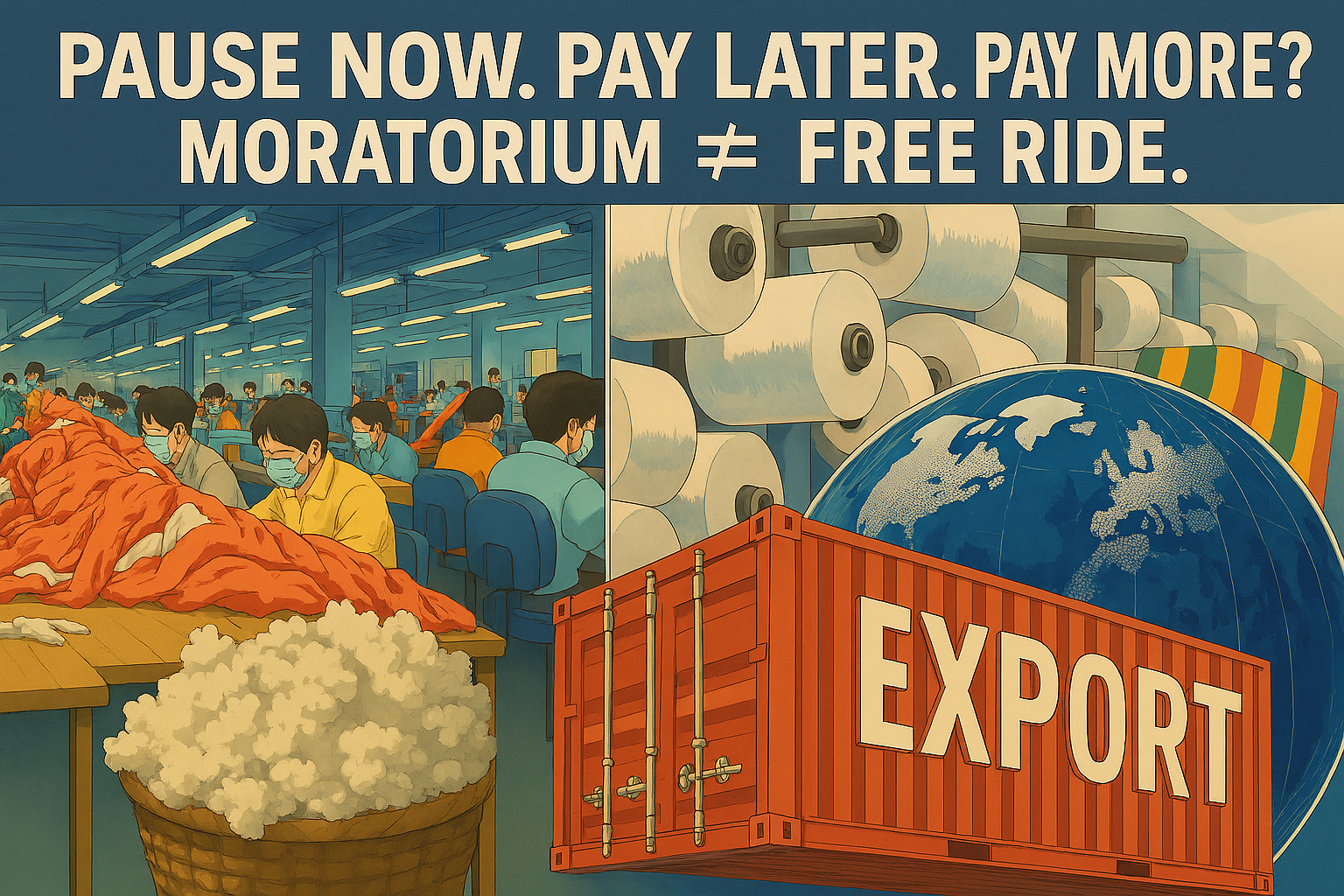
A loan moratorium is a temporary deferral or suspension of financial obligations on loans that are provided by lenders who are facing financial trouble. These lenders are usually banks or other financial institutions. This period releases the borrowers of default fees, and they do not have a duty to pay their normal loan instalment.
How is Interest treated during a Moratorium?
During a loan moratorium, interest keeps accumulating on the unpaid principal. Instead of a “waiver,” it is merely a “deferment.” This interest is added to the principal after the moratorium expires, which either increases future EMIs or lengthens the loan term. Consequently, even though there is short-term payment relief, borrowers eventually pay more, increasing the loan’s cost.
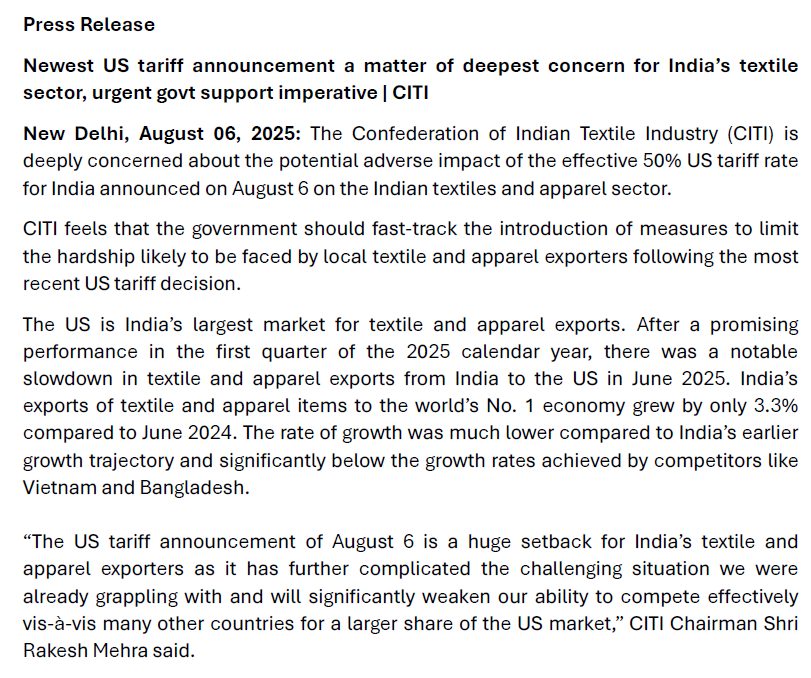
In a recent meeting with Commerce Minister Piyush Goyal, export promotion councils urged the government to give India’s textile-exporting industry immediate financial relief due to the pressure of high U.S. tariffs and declining export margins.
These exporters fear a 10–15% drop in demand from the U.S. this year. $6 billion worth of apparel exports are in jeopardy as buyers are unsure of how to handle their pending holiday orders.
Key Demands from Exporters:
- A two-year moratorium on term loan repayments to reduce financial strain.
- Revival of the Interest Equalisation Scheme to boost export competitiveness.
- A five-year extension of tax rebate schemes like RoSCTL and RoDTEP.
- Cotton’s 11% import tax to be removed, enabling access to raw materials at global rates.
- Ease in norms under the Advance Authorisation scheme relating to input-output.
According to Minister Goyal, the government is open to accepting actions meant to enhance competitiveness by exporters. These are to include minimising manufacturing and logistic costs, rationalising duties and labour reforms and also banking and GST-related problems, which will help to make a conducive environment for the export sector.
After agriculture, the textile industry employs a large number of people, but it is currently in a vulnerable state. Exporters are hoping for a resolution that will stabilise tariffs and boost demand worldwide as trade negotiations continue.