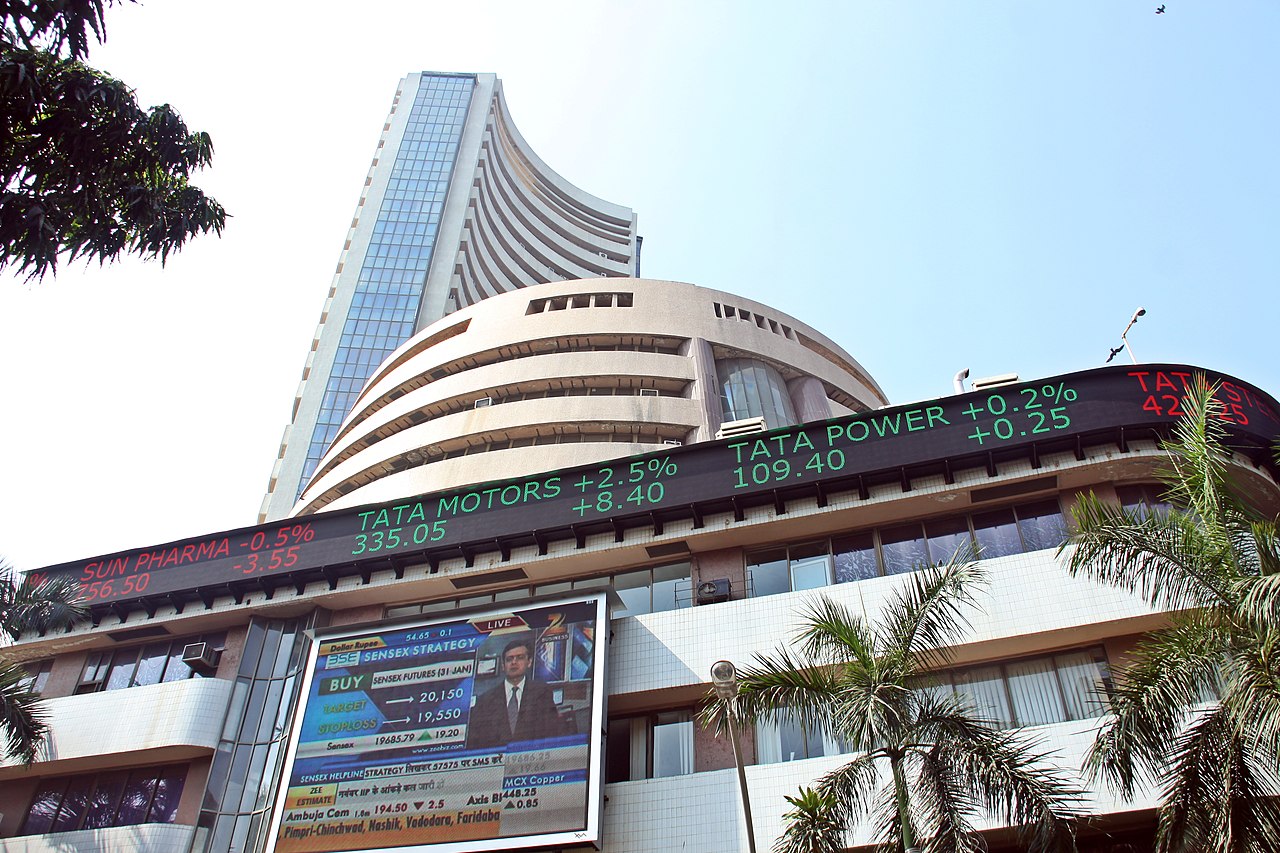
Introduction
In today’s modern economy, the stock market is not only about financial opportunities or functions; it acts as an indicator to show the performance of an economy compared to other economies. Not only that, but the stock market also helps individuals achieve their financial freedom as early and efficiently as possible. Today, in this article, we will discuss:
- What is the Stock/Share Market
- What are Stocks/Shares
- History of the Stock Market
- How the Stock Market Works
What is the Stock/Share Market?
It is a place or platform where aggregate buyers and sellers come together to trade securities that are listed in the market. By the name, people think that the stock/share market only deals in stocks/shares, but instead, the stock/share market deals in many other securities, such as:
- Bonds
- Derivatives
- Exchange Traded Funds (ETF)
- Mutual Funds
- Exchange Traded Commodities (ETC)
And many more. But in this article, we will only discuss stocks and shares.
What are Stock & Shares?
Stocks & Shares represent the equity or ownership of a company; by owning a share/stock, you automatically become an owner, and you will be referred to as a shareholder of the company. But you might have a question coming to your mind: “Why do companies dissolve their equity to the public?”
Companies do this for several reasons:
- Fund Raising
- Company Reputation
- Repaying Debts
- Funding Operations
- Incentivizing Employees
Fund Raising
Companies need funds for expansion and diversification. Projects like these need heavy capital. If the company borrows funds from a bank, they have to pay a huge chunk of money as interest. On top of that, if the project fails, the company has to liquidate the assets given as collateral to the bank. By issuing shares to the public, the company can raise funds directly, and the money raised from the shares never has to be returned to the public.
Repaying Debts
Industries dealing in infrastructure and capital products need heavy capital to operate. To fulfill that, companies borrow funds from banks or the public. By issuing shares in the market, the company can raise funds to pay off debts and obligations.
Funding Operations
Industries that require huge working capital can issue shares in the market to raise funds and carry on with their operations.
Incentivizing Employees
It’s not a primary reason for issuing shares, but sometimes, to reward or motivate employees, the company issues shares in their name to boost morale and increase loyalty towards the company.
Company Reputation
Sometimes companies decide to go public as a marketing act by inflating share lots and publishing audits. In the long run, this helps build the company’s reputation.
History of the Stock Market
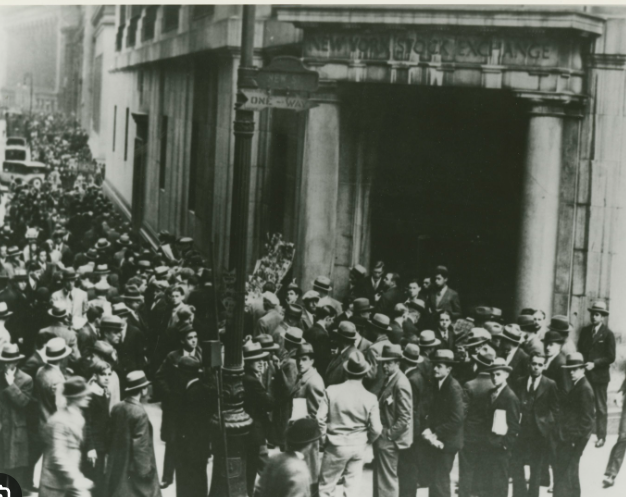
First Stock Market
The world’s first stock market opened in Amsterdam in 1602 by the Dutch East India Company. In 1611, the official stock market was opened in Amsterdam, but in the beginning, it dealt only in promissory notes and bonds.
East India Company
In those days, marine exploration and ship voyages needed investors for sailing on the sea. Fortunes were high, but so were the risks. Pirate attacks, storms, blockades, and misnavigation affected ship voyages daily in that era, which made the sector highly risky. To divide the risk for investors, the East India Company started issuing shares of ships, which allowed investors to invest the same amount in different ships, thereby reducing risk in the business.

Stock Market in India
In 1857, under British rule, India got its first stock market in Bombay, named the Bombay Stock Exchange (BSE). Due to Bombay’s geographical location, both domestic and foreign merchants traded their securities in the BSE.
In 1992, after the introduction of the LPG policy, India opened its new stock exchange called the National Stock Exchange (NSE).
To protect investors’ interests in the market, in 1988, the government formed SEBI (Securities and Exchange Board of India) to deal with all regulatory issues in India’s securities market. Initially, SEBI was just a non-statutory body with no real powers. But after the Harshad Mehta scam, the government felt the time had come, and in 1992, SEBI became a statutory body with real, effective powers.