For a long time, India’s tribal tattoos were seen as something to hide, brushed off as outdated, even shameful. But for many young people today, they’re becoming something deeply personal. These marks aren’t just about aesthetics or trends; they’re about remembering where you come from. They were never just designs, they were quiet stories passed down through skin, made during rituals, under open skies, surrounded by community. They spoke of strength, protection, and belonging.
Now, Gen Z is wearing them not as decoration, but as a connection to their ancestors, to their roots, to something real in a world that often feels filtered and disconnected. There’s something powerful in choosing to carry that history on your body, visible, permanent, and proud.
To carry that mark now, in a world that still tells you to soften your edges, erase your story, or perform your identity, is an act of quiet revolution. It’s a way of saying: I belong to something bigger, older, deeper. This ink isn’t just for show. It’s a pulse. A prayer. A way back to ourselves.
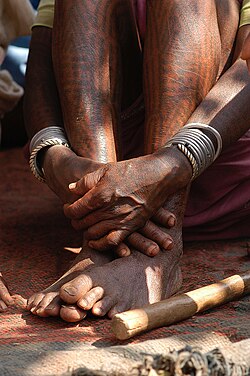
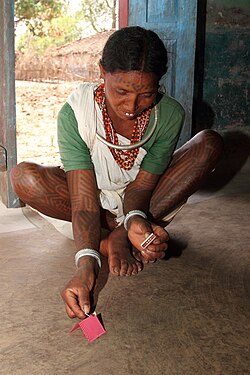
Long before minimal linework and micro tattoos took over your Explore page, communities like the Baiga, Apatani, Gond, Dhanuk, and Toda were already marking their bodies with deep meaning. These tattoos weren’t style statements. They were rites of passage, protection against spirits, maps of migration, even passports to the afterlife.
Take Godna, practised among the Baiga and Gond tribes of Central India. Every pattern had a purpose. A tattoo on the forehead? A symbol of maturity. A floral motif on the arm? A mark of resilience. For Baiga women, tattoos were a spiritual necessity; you left your jewelry behind when you died, but your ink stayed. It was the only adornment worthy of the afterlife.
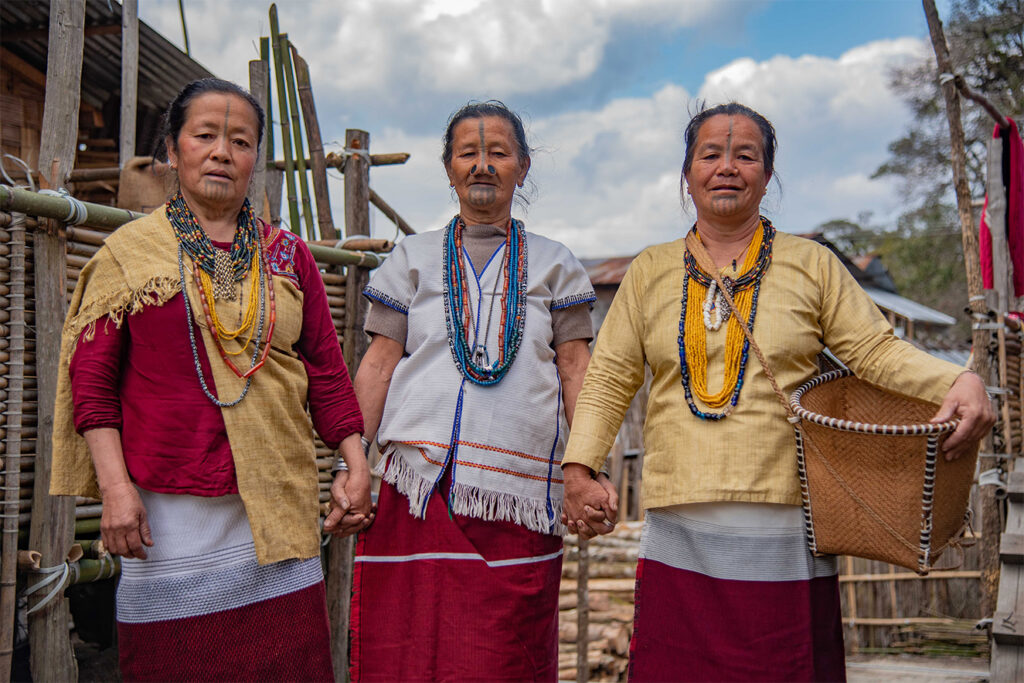
In Arunachal Pradesh, the Apatani women etched lines down their faces not to beautify, but to resist. The tattoos, paired with large nose plugs, were meant to ward off invaders who raided villages and captured women. Ink became their armour, their autonomy, their “no means no” in visual form.
Fast forward to today, and the ink is still speaking, just in a different dialect. Gen Z, with one foot in tradition and the other in the algorithm, is reclaiming these patterns with pride. For some, it’s about honoring lineage; for others, it’s a protest against erasure. Either way, the body is back to being a battleground and a canvas.
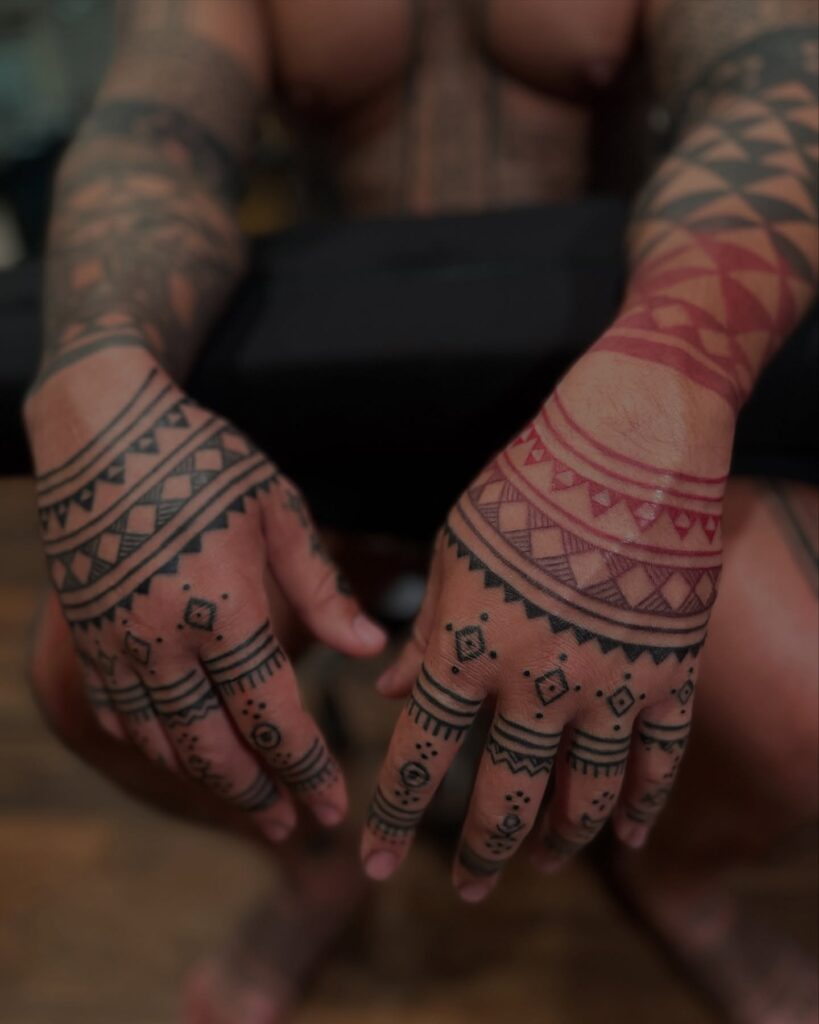
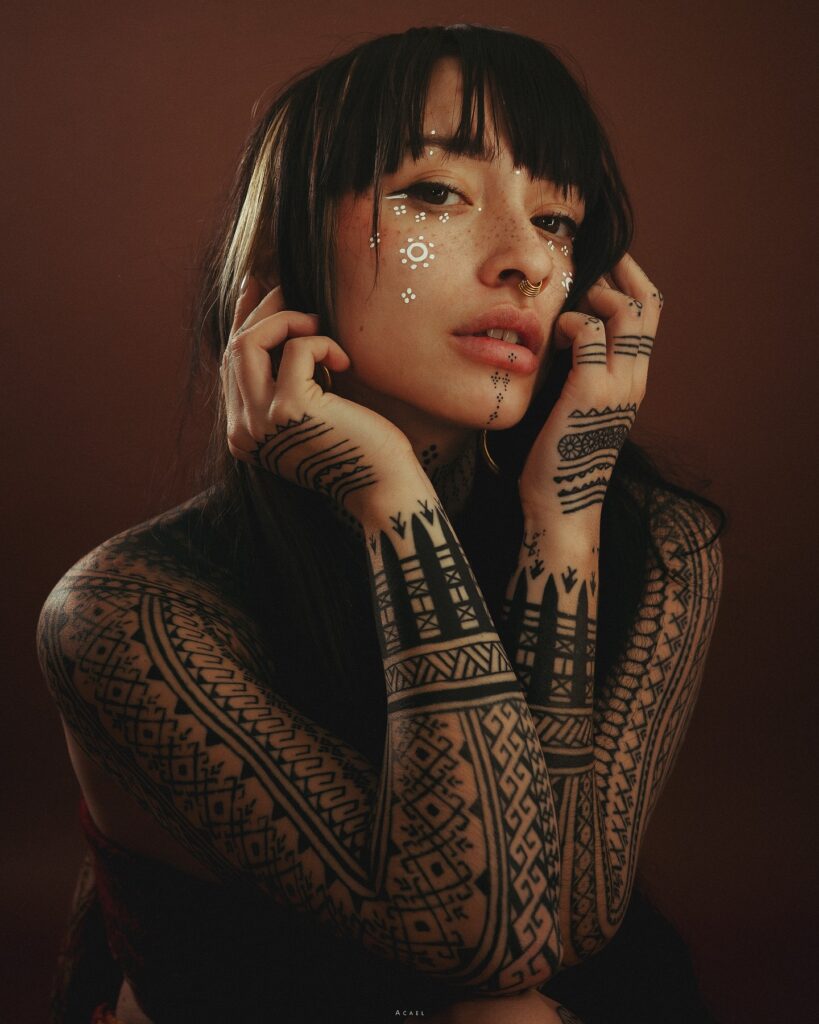
But make no mistake: this isn’t just nostalgia. It’s cultural CPR. Artists across the country are working with tribal elders to document fading motifs, revive dying practices, and ensure that these tattoos aren’t just copied, they’re contextualized. In places like Chhattisgarh, new-age tattoo artists are learning the Godna lexicon from grandmothers who once carried ink like heritage.
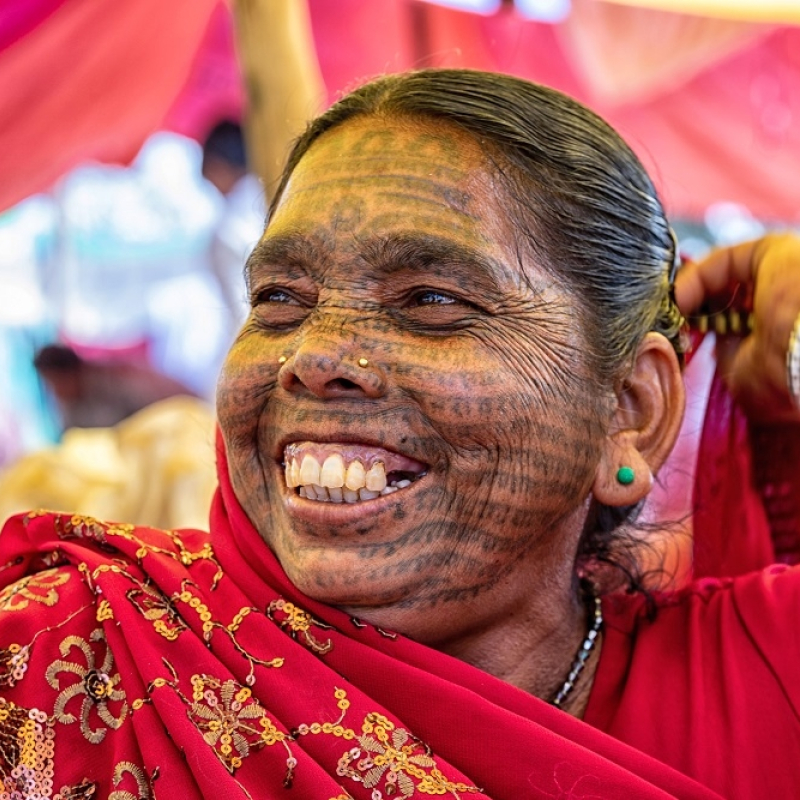
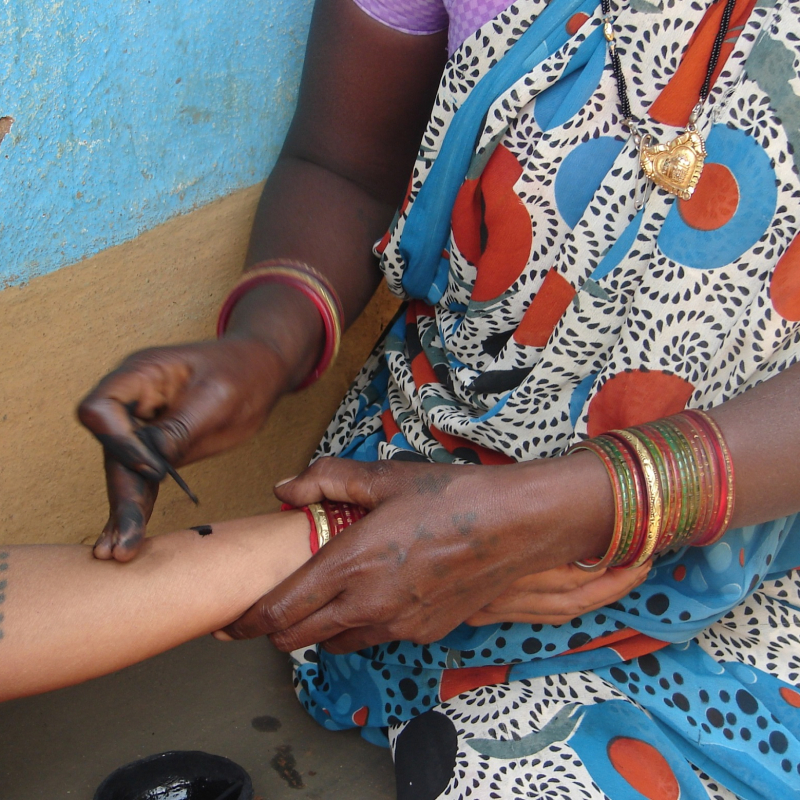
It’s also personal. Gen Z wears these designs not to look “cool,” but to feel connected. For a generation raised on fast trends and fragmented identity, tribal tattoos offer grounding. The ink binds them to a past that wasn’t written in books but on skin. And in an age of fleeting attention, permanence suddenly feels radical.
Yet, this revival doesn’t come without struggle. Many tribal artists face invisibility, even as their art goes viral. Designs are lifted without credit, symbols are stripped of context, and communities are once again reduced to “aesthetic.” For conscious creators and collectors alike, the responsibility is clear: know before you ink, respect before you replicate.
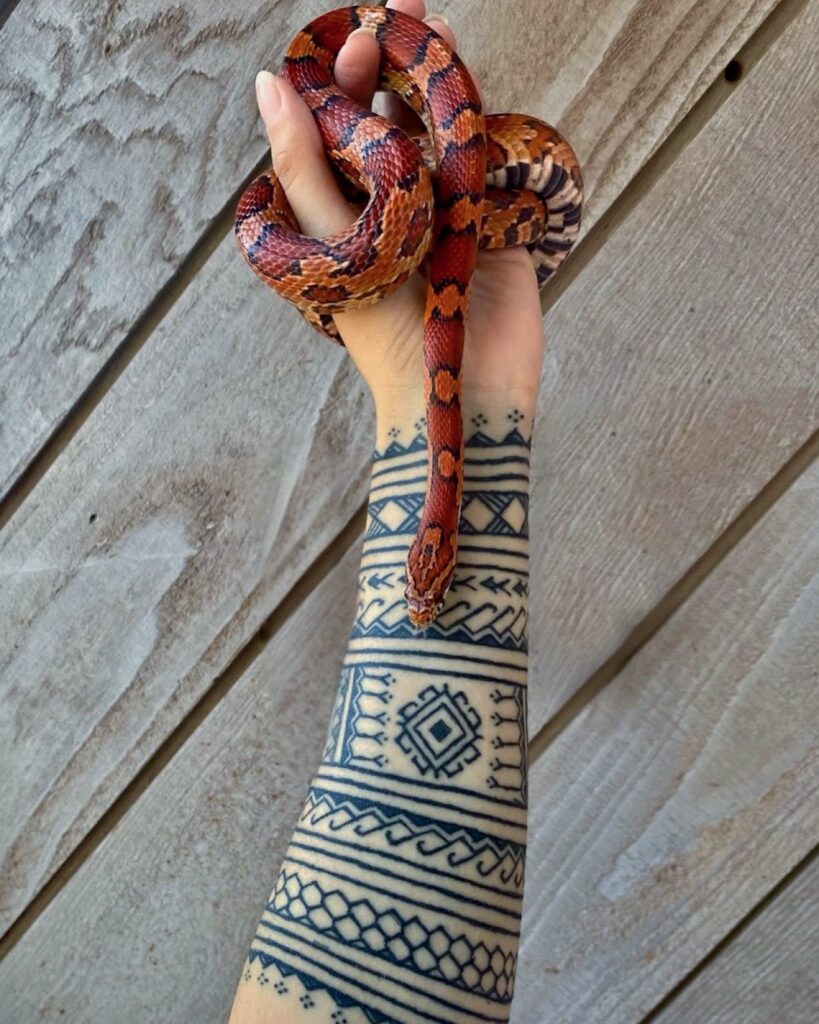
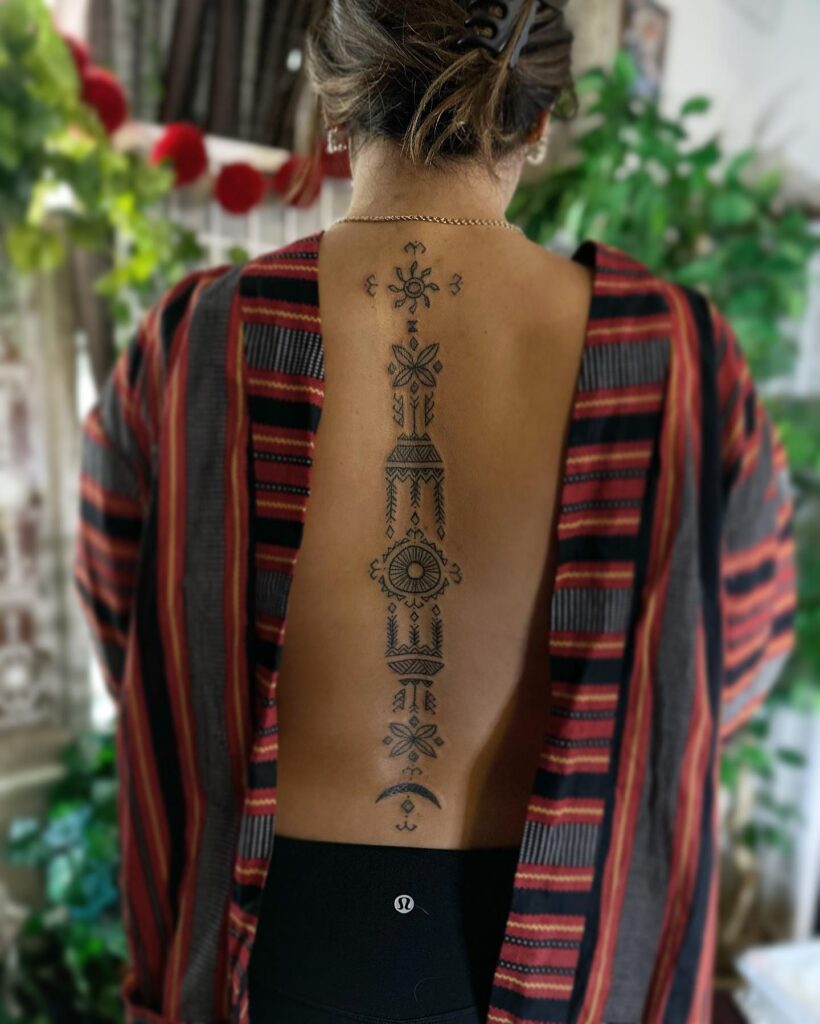
At its core, this isn’t just about body art; it’s about body memory. A Baiga tattoo isn’t just pigment, it’s a prayer. An Apatani line isn’t just a look, it’s a legacy. Tattoos like these aren’t just marks; they’re milestones. Generational, emotional, and political. A grandmother’s wisdom. A mother’s pain. A young woman’s rebellion. All stitched into the skin with no room for erasure.
In the age of filters and facades, tribal tattoos are doing what they’ve always done: cut through the noise, go skin-deep, and soul-first. And that’s not just beautiful, it’s badass.