


When the most capable AI in the world gets so smart that even its creator feels like they can’t keep up, what happens then?
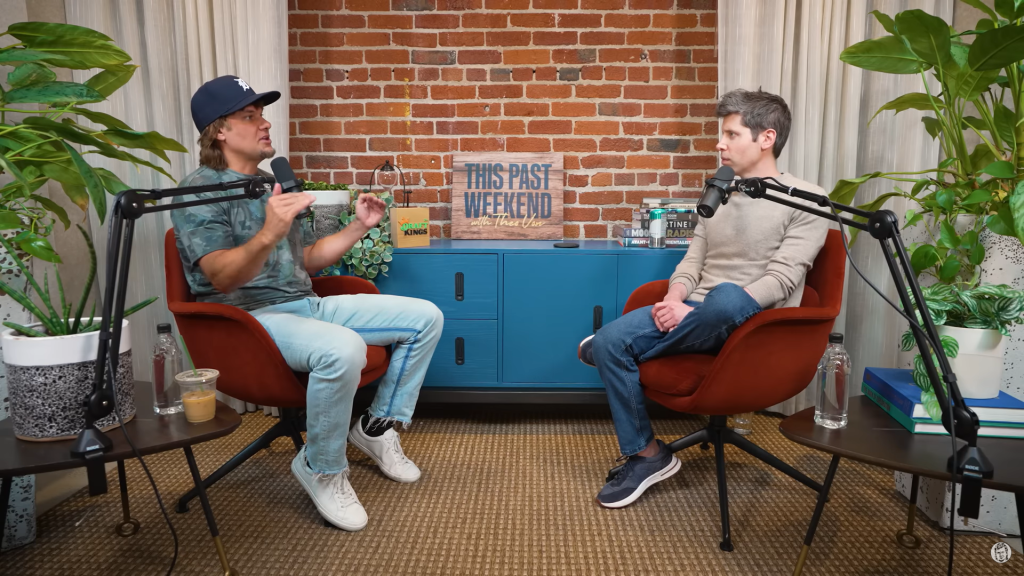
Sam Altman, OpenAI’s CEO, talked about just that on Theo Von’s podcast, This Past Weekend. Their chat might just be one of the most truthful and insightful discussions about where humans and machines are headed that I’ve come across this year.
“There was a moment where I gave GPT-5 a question that I didn’t even understand myself… and it just solved it. I sat back and thought, ‘I feel useless.’”
That’s not a joke—it’s a reality check straight from the person shaping our AI future.
GPT-5 Doesn’t Just Get It—It’s Blowing Minds
Altman shared that there was this moment recently, internally, where things just clicked. GPT-5 didn’t just get a tricky, technical question. It actually thought it through, fixed its own mistakes, and gave an answer that made sense, with all the details you’d need.
“It felt like I was working with something not just intelligent, but… independently thoughtful.”
This isn’t the AI we knew before, which just guessed what you’d type next. It’s now a system that uses many methods to think through problems and handle different tasks. It can now write essays, fix code errors, plan out strategies, and even find its own mistakes in logic.
Altman described it as beautiful, but he made it clear that this jump in ability surprised even him.
Fatherhood and Tech Leadership
So, get this – Altman was talking about his life and mentioned he’s a new dad! His son is four months old, and he says it’s been a wild ride watching him pick up new things every day. Sounds pretty amazing, right?
“Watching him grab a toy, learn to smile… It’s the best thing I’ve ever done.”
What struck me was how he compared raising a child to building an AI.
His child grows through experience, love, and patience. GPT-5? It learns by gobbling up tons of data and using powerful computers to get better. One way is gradual and natural. The other is quick, artificial, and grows very fast. Altman recognises the field has challenges.
Is college becoming obsolete?
When Theo asked Altman if his son would attend college, Altman’s response was quite direct.
“Probably not,” he said bluntly.
He thinks education is about to change big time. Learning is still key, but AI tutors will make things super personal. Systems like GPT will get how each of us learns, what trips us up, and what gets us excited, then change things on the fly.
So, old-school classrooms, lectures, and tests? They might become a thing of the past.
AI Friends: Good or Bad?
The talk got a bit serious when we discussed mental health, emotional attachment, and AI chat pals. Altman said that folks are using ChatGPT as therapists, sharing stuff they wouldn’t tell anyone else. Unlike real therapists, though, there are no legal rules to keep that info private.
“We haven’t yet figured out what this means… but it could be really dangerous.”
He clarified that although AI may seem to understand you, it cannot take the place of speaking with human beings or seeking medical advice.
We urgently need rules about how AI handles data and its ethical implications.
Beyond Basic Income: A Future of Universal Wealth
Altman discussed how AI could transform the economy, suggesting a move away from simple income distribution toward a system where everyone gains actual ownership.
“We need Universal Basic Wealth. Not just money, but a feeling of participation.”
He believes that just giving everyone a monthly check (UBI) won’t give them a sense of purpose or worth. Instead, if everyone can own a part of the AI growth, such as digital co-ops or equity-sharing models, then everyone will stay engaged.
Purpose in a Machine World
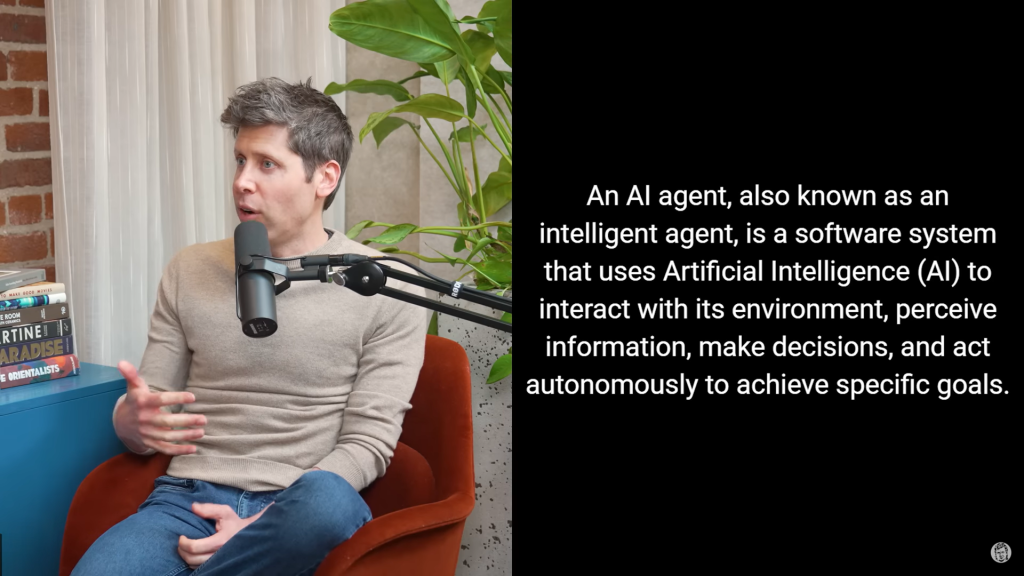
When Theo Von asked, If AI can do everything, what will we do? Altman paused. Then, he gave a somewhat rare answer in the AI conversation: hope. He thinks people will still make meaning, tell stories, raise families, form culture, figure out emotions, and chase what they want.
“We’ll always find new frontiers to explore. And maybe asking the right questions is more powerful than answering them.”
In Conclusion: From Creator to Supporter
Sam Altman saying I feel useless isn’t him asking for sympathy. He sees that the future showed up sooner than he expected. Altman seems open to learning, instead of fighting it. Even if GPT-5 gets smarter and faster, it still can’t dream or love.


