On October 6, 2025, one of the most prestigious prizes, the Nobel Prize, was announced for the category of Physiology or Medicine. This year, the award is given for the “discoveries concerning peripheral immune tolerance”
This year, the Nobel Prize in Physiology or Medicine is given to:
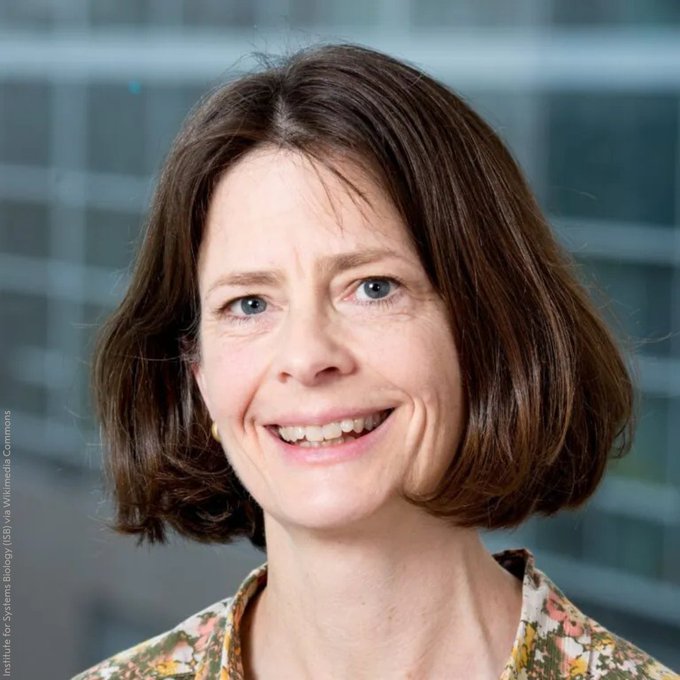
- Mary E. Brunkow, Institute for Systems Biology, Seattle, USA
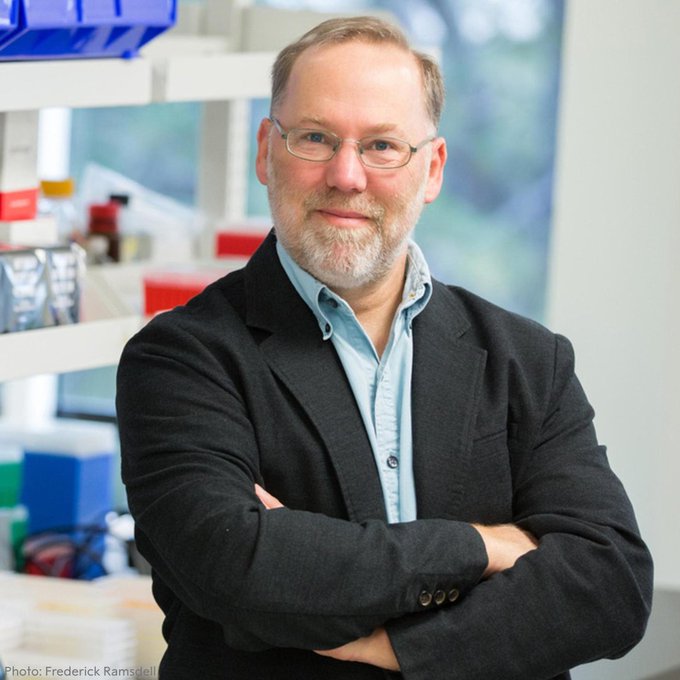
- Fred Ramsdell, Sonoma Biotherapeutics, San Francisco, USA
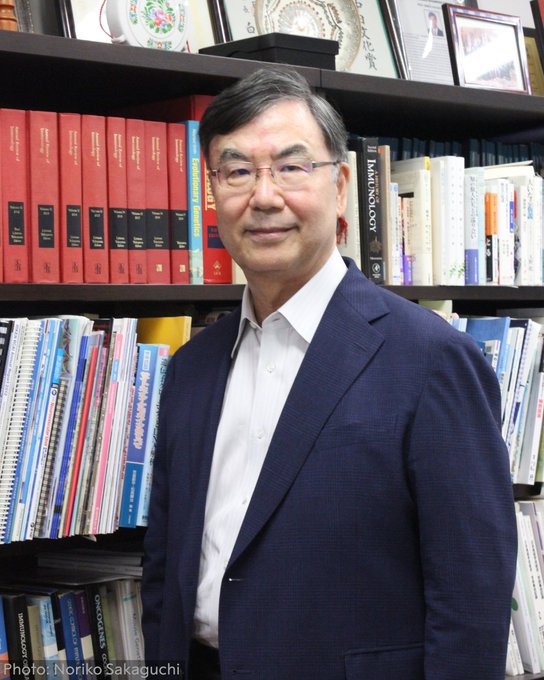
- Shimon Sakaguchi, Osaka University, Osaka, Japan
The selection of the winners is done by expert committees from various institutions.
They discovered how the system that protects us, the immune system, is kept in check.
Chair of the Nobel Committee, Olle Kämpe, said that their discoveries have been decisive for our understanding of:
- How the immune system functions and
- Why do we not all develop serious autoimmune diseases?
It all started in 1995 when Shimon Sakaguchi first made the key discovery that went against the beliefs of many scientists at that time.
Researchers at the time believed in Central tolerance– immune tolerance only developed due to potentially harmful immune cells being eliminated in the thymus. Sakaguchi revealed that the immune system is more complex and discovered a previously unknown class of immune cells that protect the body from autoimmune diseases (diseases caused when our immune system recognises our own cells as foreign cells and attacks them).
Then, in 2001, Mary Brunkow and Fred Ramsdell made a key discovery and presented an explanation as to why a specific mouse strain was particularly vulnerable to autoimmune diseases. They revealed that the mice have a mutation in a gene that they named Foxp3. The mutation equivalent to this gene in humans also causes a serious autoimmune disease, IPEX.
Two years after this discovery, Shimon was able to correlate these discoveries and was able to prove that the Foxp3 gene governs the development of the cells he identified in 1995. Later, these cells were named as regulatory T cells, which monitor other immune cells and ensure that our immune system tolerates our own tissues.
Over the years, these discoveries have launched the field of peripheral tolerance, making it possible for the development of medical treatments for cancer and autoimmune diseases. This has also led to more successful transplantations. Clinical trials are still undergoing for many such treatments.
Let’s take a look at this year’s Nobel Prize laureates’ first reaction:
Shimon Sakaguchi believes that this will encourage immunologists and physicians to apply T regulatory cells to treat various immunological diseases.
Mary E. Brunkow recalls how she first ignored the call from Sweden, thinking it might be a scam. She also explained that, as her career path in research has changed after that discovery, she was not expecting this, and she feels honoured that her initial discoveries could have helped in medicine in some small ways.
What is the award money they will receive?
A sum of 11 million Swedish kronor, which is approximately $1.2 million, will be shared among the three scientists, along with a gold medal presented by the king of Sweden. This prize is funded by Sweden’s central bank, the Riksbank.
Our immune system is an evolutionary masterpiece. Day and night, it protects us from thousands of varieties of microbes like viruses, bacteria, etc., that try to invade our bodies. It is next to impossible to live in a world where microbes reign without a functioning immune system. Scientific discoveries like this not only help us to know our body better but also to use this knowledge to advance in the medical treatment of once untreatable diseases.