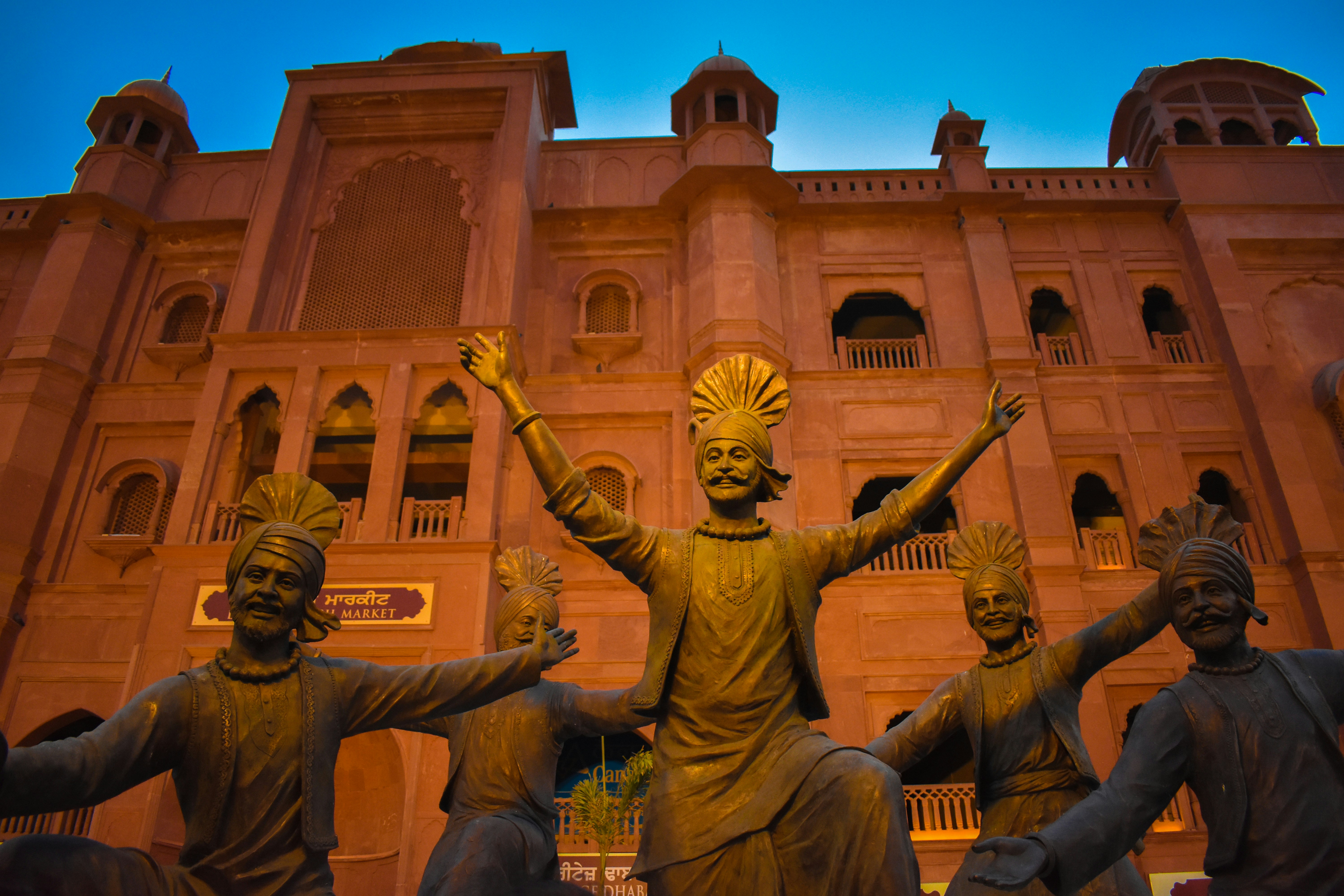
Punjab, a state known for the spirit of Sikhism, is renowned for the composition of the five rivers (Jhelum, Chenab, Ravi, Sutlej, and Beas). This state is susceptible to Indians as it shares a border with Pakistan, followed by Jammu and Kashmir, Haryana, Himachal Pradesh, Rajasthan, and Chandigarh.
Punjab is widely famous for the Golden Temple, Wagah-Attari Border, and Jallianwala Bagh, but in terms of tourism, visitors often neglect to explore the prime parts of Punjab. Let’s explore these fantastic places:
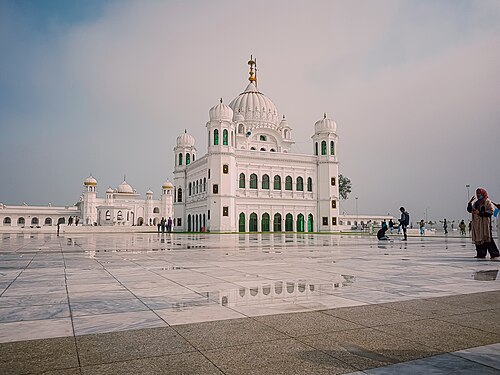
Kartarpur Corridor: Indians with a valid passport and NRI OCI cardholders get a unique spiritual travel experience to visit this place. This destination is visa-free. This is a sacred devotional journey for every Sikh person as well as Indian; this corridor connects Gurdwara Darbar Sahib in Pakistan with Dera Baba Nanak in India. The corridor access Indian devotees to enter the Kartarpur Gurdwara, located on the Pakistani side approximately at a distance of 4.7 kilometres from the Indo-Pak Border. But visitors need to submit a copy of the Electronic Travel Authorization before entry to that place.
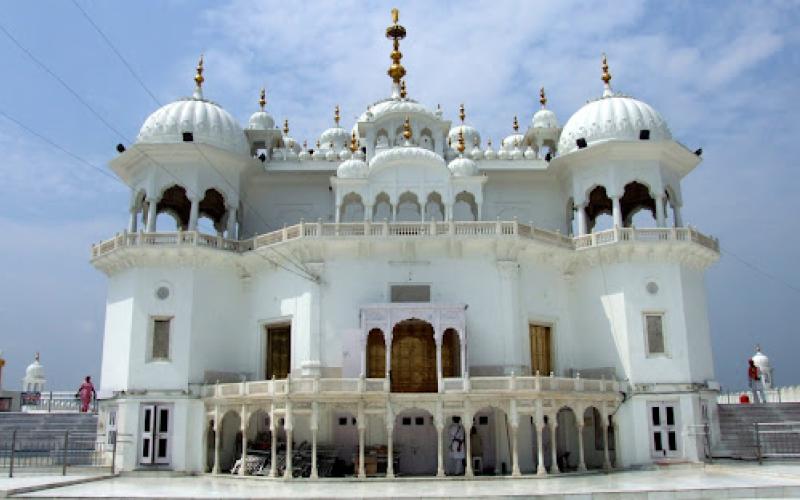
Anandpur Sahib: Referred to as the city of bliss, this city is located in the Rupnagar district (Ropar) in Punjab. For Sikhs, this place is believed to be a holy spiritual city, as Guru Teg Bahadur and Guru Govind Singh lived there. This city is also home to Takhat Sri Kesgarh Sahib, the third of the five Takhts (seats) in Sikhism.
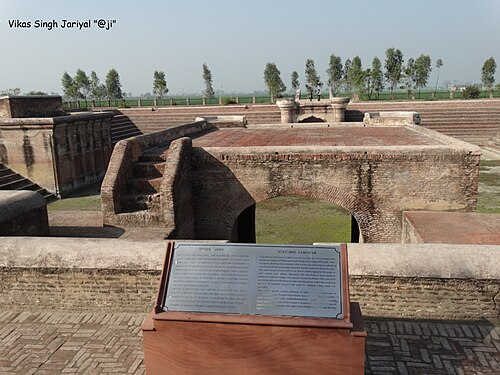
Pul Kanjari: This old village was founded by Maharaja Ranjit Singh in Amritsar. A local folklore related to this is that the Maharaja was deeply in love with the famous dancer named Moran, and when Moran traveled to Amritsar to meet his beloved Maharaja, to facilitate her journey easy and comfortable, Maharaja constructed a bridge over the canal. Pul Kanjari was chosen as a destination of layover for Maharaja Ranjit Singh and his troops while they traveled between Lahore and Amritsar.
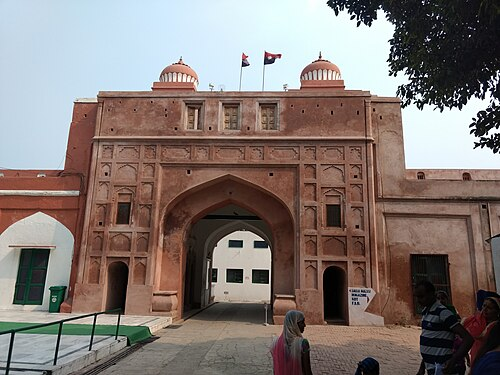
Phillaur Fort: This fort was actually built under the supervision of Shah Jahan, and later it was reconstructed during the reign of Maharaja Ranjit Singh and was known by the name of Maharaja Ranjit Singh’s Fort. It was later used as an artillery center by the British Indian Army. Now, this fort is used as a training school for the Punjab Police and is renamed as the Maharaja Ranjit Singh Punjab police Academy.
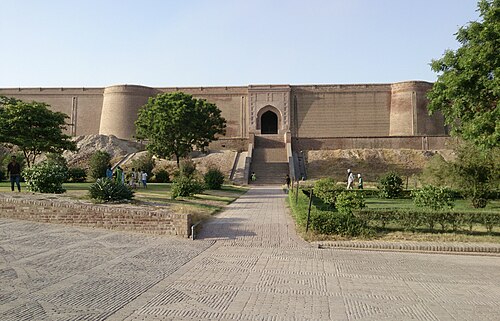
Qila Mubarak: Situated in Bhatinda, locally known as Bhatinda Fort. There are many theories regarding this fort, as no one knows who the actual owner is.Some said that this was constructed during the era of Raja Deb. This fort has some small palaces, like the Rajmata Palace, Shahi Palace, and the Phansi Ghar, often attractions for tourists. This fort is also arranging cultural festivals and events to attract and engage tourists, and at the same time it also fosters the local economy and preserves local art and craft, traditions, and cultures.
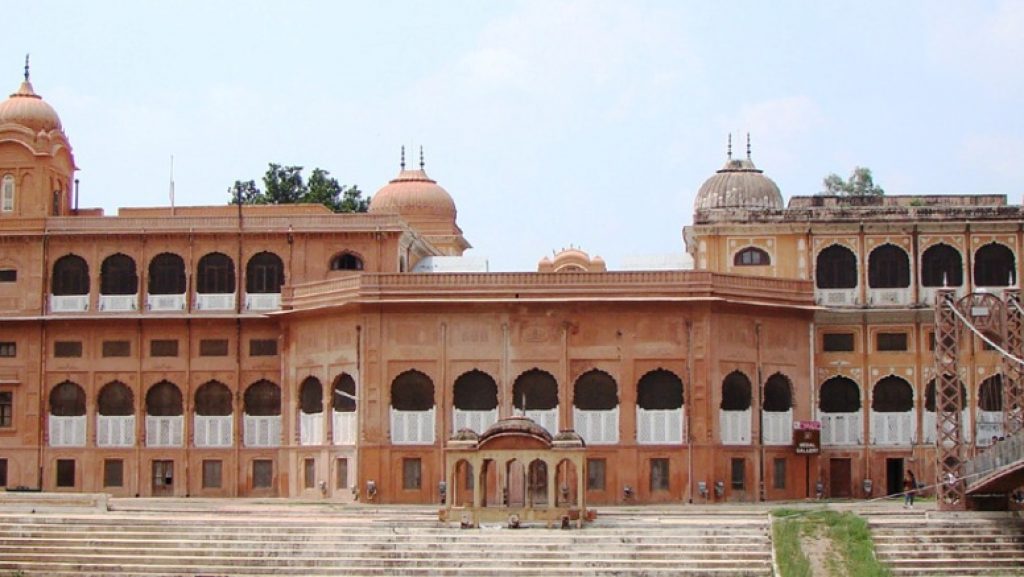
Sheesh Mahal: Now converted to a public museum, it was once a palace for leisure, fun, and entertainment, established by Maharaja Narinder Singh. This Mahal is surrounded by manmade fountains, lakes, and gardens. Inside Seesh Mahal, the walls are artistically crafted with floral designs and glasswork. Even some aesthetic theme-based paintings are there, which portray love stories (Nayak-Nayika), musical moods (Raga-Ragini), and the cycle of seasons (Baramasa).
Nawapind Sardaran: This is a village in Gurdaspur, Punjab, and this village is recognized and honoured with an award for the best Tourism Village of India, 2023. In this village, there are two Havelis, named Kothi and Pipal, established by Sardar Narian Singh and his family. Now, both these havelis are maintained by Gurpreet Singh Sangha and his family. Moreover, the Sangha family helps to generate work for the local people and has economically benefited the local women of that village. This family beautifully sustains and preserves the local cultures, artwork, and traditions through village tourism. Tourists are allowed to stay inside the Pipal Haveli, which is chargeable, and get a chance to enjoy these traditional village experiences.
Apart from these, tourists can explore local villages and sites in Punjab; they can even experience staying in the local farms of the countryside, taste their cuisines, and live a day with locals. Explore the green mustard fields with yellow flowers of Punjab, as it reminds the legendary movie of SRK’s DDLJ.
Food and Festivals:
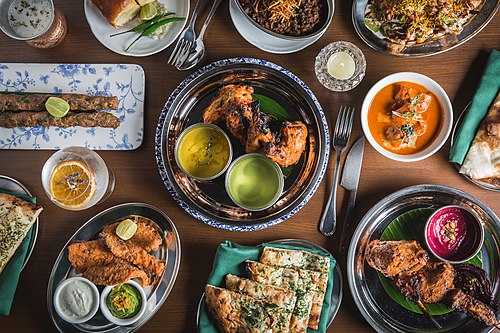
Punjab is not only famous for its history and tourist places but is widely known for Punjabi food, delicacies, and cuisines as well. Makke ki roti and sarso da saak, Aloo or Gobhi parantha with Punjab’s famous Lassi and butter, Chole Bhature, Amritsari Kulcha with Cholle, Butter chicken, Chicken Tikka and Amritsari macchi.
In sweet delicacies like Gajar ka Halwa, Panjeeri, Kheer, and Falooda.
Tourists can even enjoy and participate in local festivals of Punjab, like:
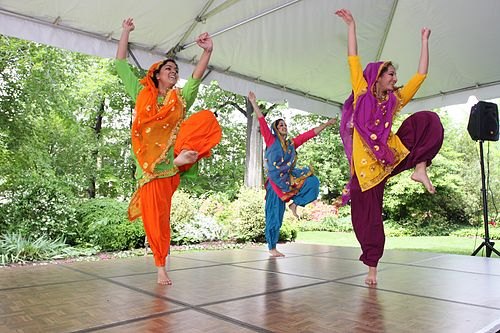
Lohri – Winter harvest festival
Baisakhi – Celebrated in the middle of April, is referred to as the new year of Punjab begins with this.
Hola Mohalla – Founded by Guru Gobind Singh, and the prime attractions are Kirtan, religious programs, path and langar at the Gurdwaras; Gatka or the martial art of Punjab, horse riding by Nihangs, and cultural activities.
Teeyan – Married women arecelebrated with dances to welcome the session of monsoon.
Chappar Mela – Celebrated in the village of Chappar in Ludhiana, where locals worship the Lord of the snake.
Gurupurab – A Religious Sikh festival to celebrate the birth anniversaries of their Sikh Gurus.