We all have our comfort picks. The Spotify playlist that feels like a personal diary, the TV show we put on while folding laundry, the Letterboxd list we quietly update with the movies that make us feel safe. These aren’t just random choices- they’re small rituals of reassurance. But in an age where curation is as public as it is private, one question lingers: are we doing it for ourselves, or for the world watching?
When our life feels chaotic, many of us retreat into media that already feels like home. During the pandemic, subscriptions for streaming apps skyrocketed, largely because people craved familiar shows and childhood movies, which acted as a security blanket.
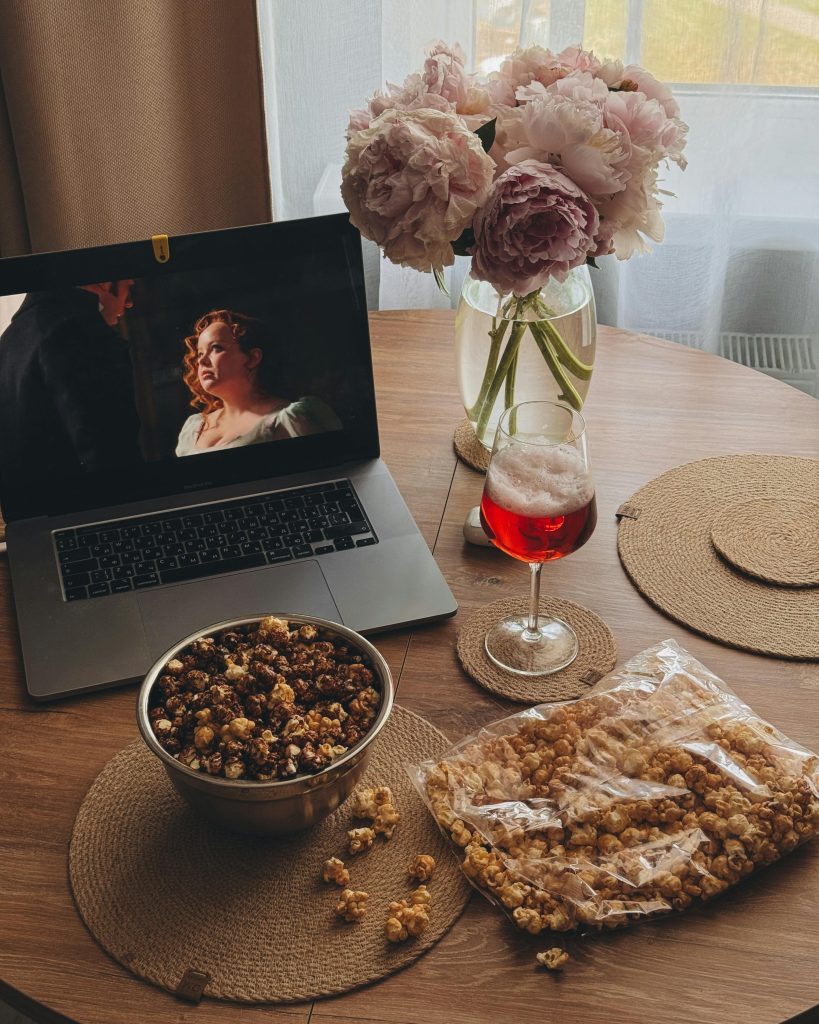
Scholars refer to this as the “comfort watch,” and many individuals call it “comfort media” on the internet. films, music, and books that make us feel safe, distract us from stress, and often tap into nostalgia. It doesn’t matter if it’s a critically acclaimed Wes Anderson film or a so-called “guilty pleasure” like “Legally Blonde”, “Bridgerton,” or “Twilight.” What matters is the emotional time travel; it’s like putting on a hoodie from high school and instantly feeling grounded.
Playlists as Personality Diaries
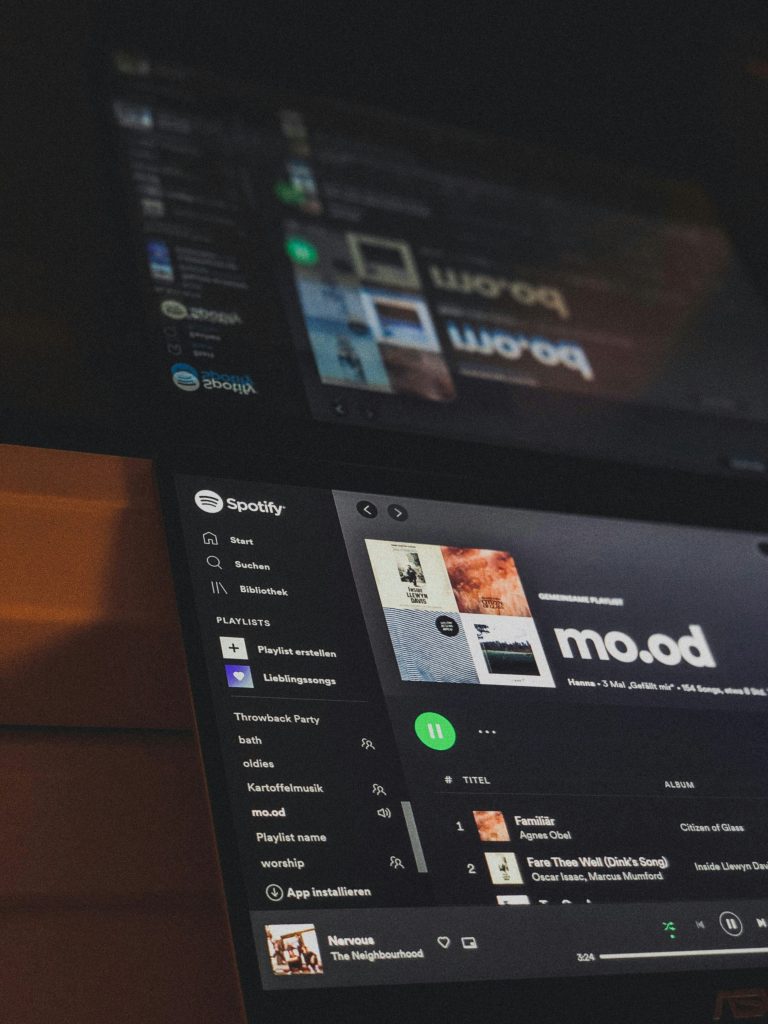
Music curation works the same way. Playlists aren’t just background notes; they’re identity in motion. A study from Uppsala University found that playlists function like social objects- ways of expressing who we are and how we feel. They are stitched together from emotion as much as from sound. And because we share them, playlists are open invitations for judgment. Researchers even have a word for it: “playlistism,” the quiet act of scrolling through someone else’s playlist and deciding what kind of person they must be.
Think about Spotify Wrapped, which has turned into a cultural holiday. It’s not just about what you listen to but also about what your listening habits say about you. Comfort and performance blur, because the playlist that soothes you at 2 a.m. is also the one you might have to post at the end of the year on Instagram for others to admire when it gets included in your Wrapped.
At the same time, not every comfort pick is meant for public eyes. Just as people quietly rewatch movies they’d never list as “highbrow favourites” (Twilight appears on countless “comfort watch” lists), many of us keep certain playlists, books, and movie titles tucked away.
Researchers found that guilty pleasures work precisely because they’re not serious: these let us “turn our brain off” and sink into a younger, safer version of ourselves. It’s why someone might belt out cheesy 2000s pop alone but hesitate to share it on their social media. Comfort often lives in that gap between what feels good privately and what feels acceptable publicly.
The Art & Anxiety of Flow
Even the act of curating is more deliberate than it seems. Recent research into user-curated playlists found that people care about coherence, the smooth flow from one track to the next. A workout playlist, for instance, often starts slow, ramps up with BPM, and winds down for a cooldown at the end.
Meanwhile, collaborative playlists, the ones you make with your friends or loved ones, tend to be more cautious, aiming to please everyone rather than reflect one person’s raw taste.
This shows that even in our most personal media, there’s often an eye toward order, presentation, and sometimes even social diplomacy. Comfort also has an aesthetic now.
Solace or Showcase?
At the heart of it, curating comfort media is both an inward and outward act. On one hand, going back to your favourite show, book, or song is a deeply private coping mechanism, a way to anchor yourself in a fast-changing world. On the other hand, the very platforms we use: Letterboxd, Spotify, Pinterest, turn those rituals into public statements. We don’t seek solace; we also invite others to see us through our curation.

However, it’s not all about performance. Studies on playlists suggest that sometimes coherence and flow matter simply for our own listening satisfaction. A study playlist or a list created on Letterboxd of favourite movies isn’t about impressing anyone; it’s about creating the right rhythm for listening pleasure that helps some people study better, creating a scrapbook or time capsule of sorts of our favourite movies that we can go back to when we need it the most.

In that sense, curation can be purely inward-facing, closer to self-care than to self-promotion. The guilty pleasures, the carefully ordered late-night mixes, the shows we return to when we’re exhausted- these remind us that curation is also about comfort that doesn’t need an audience.
Maybe the answer isn’t either/or. Maybe curating comfort is about both feeling okay and feeling seen. After all, sometimes the greatest comfort comes not just from the song we put on repeat but from realising someone else loves and interprets it the same way we do.