In 2017, the Danish word hygge was added to the Oxford English Dictionary. It joined the English language with the gloss “a quality of coziness and comfortable conviviality that engenders a feeling of contentment or well-being.” Yet if anyone asked the locals to define it, they would tell you: hygge resists neat translations. It is easier to feel than to put into words.
Meik Wiking, head of the Happiness Research Institute in Copenhagen, in his book, has related it to one of the famous Winnie-the-Pooh quotes, “You don’t spell it, you feel it,” when asked how to spell a certain emotion. Hygge, likewise, is not about vocabulary. It is about atmosphere. Candles and cocoa are often invoked as its symbols, but Danes know hygge lives far beyond these props. It is the crackle of a fireplace on a snow-darkened afternoon, the murmur of friends around a table, or the relief of taking shelter from rain.

A fleeting moment in a cabin
In his book, Wiking shares an anecdote from the week before Christmas. He and his friends hiked through the snow to a rustic cabin. As daylight vanished at four in the afternoon, they settled by the fire. The stew simmered, wool socks steamed, and mulled wine warmed in their hands. For hours, the only sounds were sparks from the hearth and the occasional clink of mugs. Then someone whispered: “Could this be any more hygge?” A pause followed before another replied, “Yes. If a storm was raging outside,” the rest nodded in agreement.
What mattered was not the stew or the sweaters but the shared feeling of safety, intimacy, and time suspended.
Roots and meanings
The word hygge traces back to Old Norse, where a similar term meant “to be protected from the outside world.” That lineage reveals much. In a northern climate where winter stretches long and dark, comfort is not indulgence but survival. Over time, Danes turned protection into pleasure, making coziness not a retreat but a cultural value.
The modern spelling dates from around 1800, though the practice is much older. Today, Danes invoke hygge to describe evenings at home, picnics by the sea, summer gardens strung with lanterns, and even office coffee breaks. It has become shortened for the good life that is simple, equal, and safe.
Togetherness, but also solitude


Hygge is often described through company: lingering dinners, games around a table, or the weekly ritual of watching a single TV episode with a friend instead of binging alone. The pleasure lies as much in anticipation and tradition as in the activity itself. Yet hygge also unfolds in solitude. A candle lit just for yourself, tea sipped at the window as dusk deepens, or an unhurried walk through a frosty park all carry the same sense of ease and shelter. Togetherness is the most visible form, but Danes recognize that hygge can also be private, a way of allowing yourself to slow down.
A cultural code

To outsiders, the word may look like an aesthetic template: candles, blankets, wooden bowls. Indeed, foreign publishers and designers have seized on it, producing manuals, sweaters, and housewares marketed as hygge essentials. The famous Faroese-knit jumper worn by Sofie Grabol in The Killing became iconic not just for fashion but for its warmth against a bleak crime plot. But within Denmark, hygge is not about objects. It is about equality and atmosphere. Around the table, hierarchy dissolves. Conversation avoids conflict. Nobody dominates, nobody lectures. It is a consensus of comfort.
This is why hygge can be both inclusive and exclusive. For Danes, it is second nature: a circle of familiarity where everyone relaxes. For newcomers or outsiders, though, it sometimes may feel like a barrier. If you are not already inside a circle, it may be difficult to enter. Scholars of cultural identity note this double-edged aspect: hygge fosters community, but also promotes enclosure.
More than winter warmth
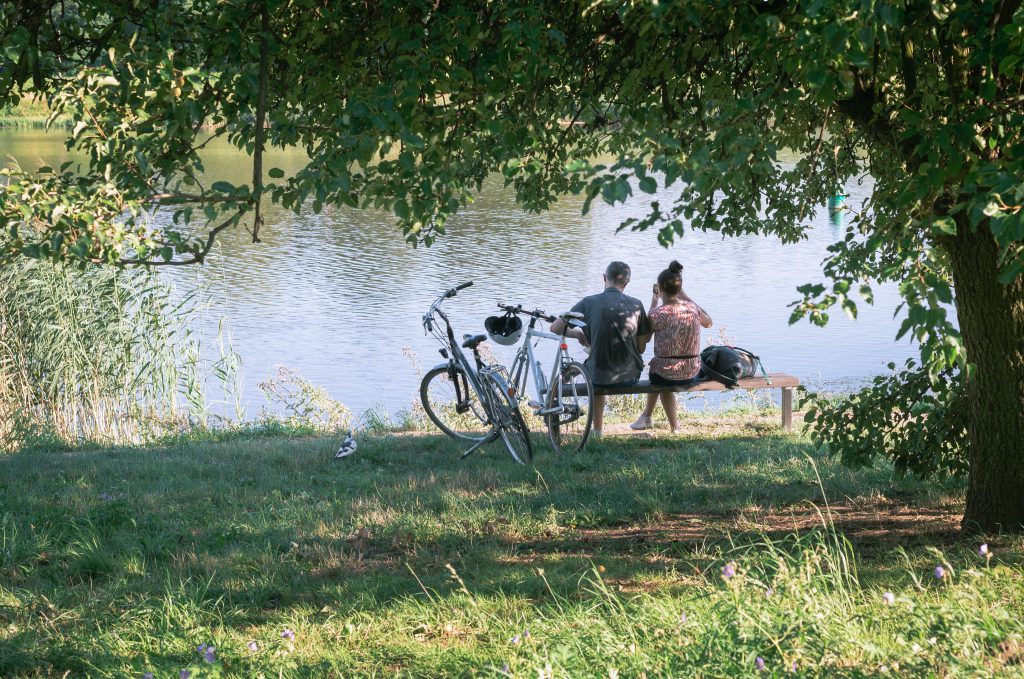

While winter remains prime hygge season because the long nights almost demand it, the practice stretches into other seasons. In summer, it is about strawberries eaten outside, or a bicycle ride ending with coffee at a sunlit cafe. At the office, it may be the daily pause when colleagues gather for a cake or strong coffee, letting formality drop. Each variation honors the same principle: life slows, guards drop, time is suspended for a moment.
Even candles, which the Danes burn more per capita compared to people from any other country, are less about romance than about rhythm. Their soft glow signals that a space is safe, a moment is set aside. Wiking writes that Danes even distinguish between kinds of candles: those for light, those for dinner tables, and those that exist solely to make a room feel hygge.
Tourism and translation

As Denmark’s global reputation for happiness spread, so did curiosity about its hygge culture. Tourists now seek it out in restaurants like Aalborg’s historic Duus Wine Cellar or in Tivoli Gardens at twilight. Yet true hygge resists packaging. Without familiar company, a candlelit dinner is pleasant but not quite the same. Visitors can catch glimpses: a meal, a seaside walk, but the essence is less a destination than a relationship with daily life.
So the question arises, does hygge explain Denmark’s perennial position atop happiness rankings? Not entirely. Strong welfare systems, equality, and trust also play decisive roles. But hygge offers a cultural mechanism for making those structures felt at the human scale. It is how abstract security translates into lived experience: the cozy, the equal, the safe.
Critics sometimes dismiss hygge as soft escapism, a retreat from politics into blankets. Yet Danes know that collective well-being requires pauses of renewal. A society cannot run only on efficiency. The glow of candles and murmur of voices remind people that happiness is not a trophy but a practice- sustained night after night, meal after meal.
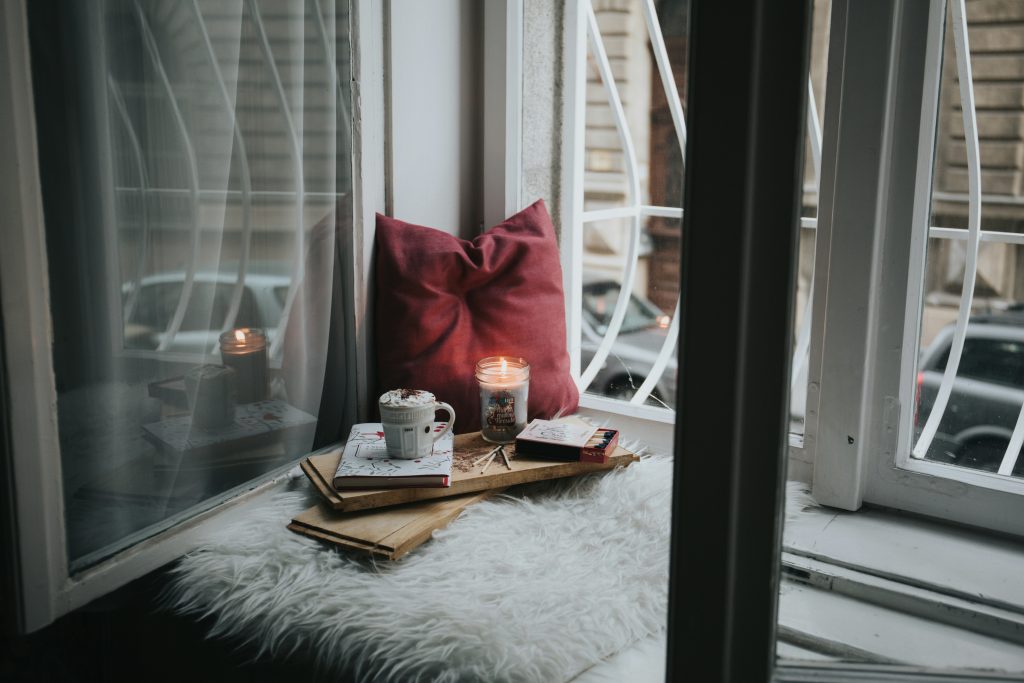
The cliche of hygge as cocoa by candlelight is not wrong, but it is incomplete. In Denmark, the atmosphere is deliberately made. Candles are not just lit but chosen- tall tapers for dining table, tea lights clustered on windowsills, lanterns flickering outdoors in winter darkness. Every home hides a hyggekrog, a little nook by a window or corner chair layered with cushions and blankets. Light is low, never glaring, and balanced with the texture of wood, wool, and soft ceramics.
In summer, hygge moves outside: string lights hung over gardens, picnics on grassy dunes, or a single bench shared on a breezy pier.

Even offices are softened by small corners where colleagues sit close rather than at separate desks. What ties these settings together is not the decor for its own sake but intention, the careful shaping of space so it welcomes, slows, and shelters. That, more than cocoa or candles, is Denmark’s quiet gift to those who visit: a lesson in how rooms and rituals can shape a way of life.