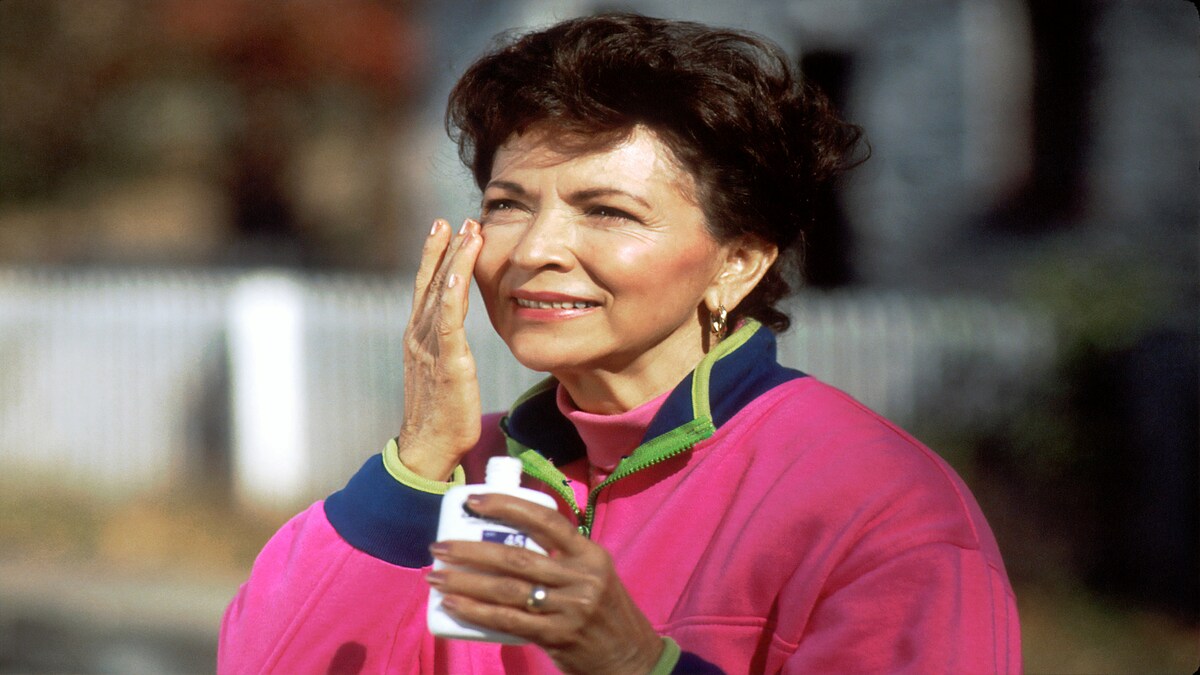
Cancer occurs due to many diverse reasons; sometimes it can be genetic, passed down a family tree, or it’s due to a mutation in a cell, and many times it is caused by the usage of carcinogenic products. A carcinogenic product can be anything from your medicine to the cosmetic product you use daily. Nowadays, a lot of cosmetic products are under the radar to be carcinogenic, some because of their chemical properties, others just caught in the myth. One such infamous product often scrutinised for concerns related to cancer is sunscreen.
Sunscreen’s concern is mostly related to its ingredients, specifically oxybenzone and benzene. These ingredients are common chemical UV filters in sunscreens and also raise potential environmental and health impacts. That is why these are banned in regions like Hawaii and Kew West.
How does sunscreen work?
With physical blockers and a chemical absorber, sunscreens prevent UV rays from damaging skin.
Physical blockers
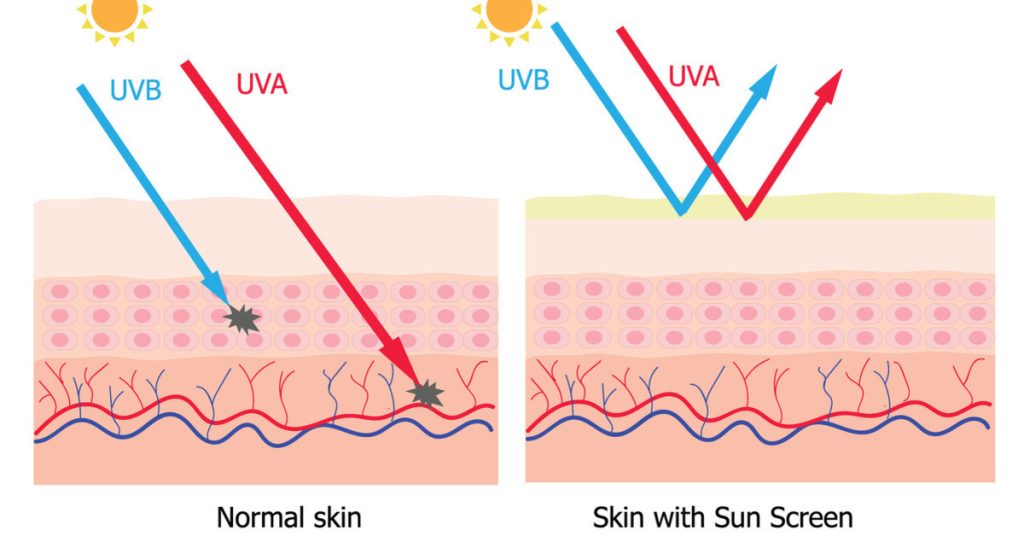
These include fine particles of minerals such as titanium dioxide or zinc oxide. These particles work like a shield on our skin and reflect back UV rays away from the skin. These types of sunscreen are sometimes called sunblock or mineral sunscreen.
Usually, these do not cause irritation, allergic reaction or stinging, but can leave a white cast and can be greasy.
Chemical absorbers
These form a thin protective film on your skin that can absorb UV radiation before it can penetrate your skin. These types of sunscreen are called organic sunscreens.
Chemical absorber sunscreen ingredients are usually clear and easy to apply, but have a higher chance of causing irritation and allergic reactions.
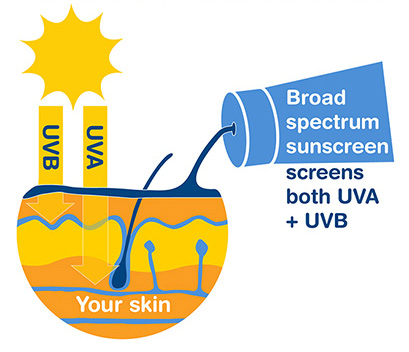
When selecting sunscreen that’s best for you, select a broad-spectrum product with at least sun protection factor (SPF) 30. ‘Broad spectrum’ means the sunscreen prevents both UVA and UVB rays from damaging the skin and causing skin cancer.
It is always better to follow the instructions given in each type of sunscreen for better results and to avoid any kind of reaction.
Does this mean sunscreen is carcinogenic?
With regards to concerns with human health, there is no medical evidence that sunscreen causes cancer, but on the other hand, a lot of direct UV rays exposure from the sun can cause cancer.
Damage from UV plays a central role in most melanomas, basal cell carcinoma, squamous cell cancer development and many less commonly known skin cancers.
With respect to the ingredients, there are mixed results regarding their effects, even though oxybenzone is systematically absorbed. It has been related to some dermal allergic reactions and endocrine disruption, but the relationship to its adverse health outcomes is inconclusive. Other studies have found no impact of using sunscreen on fertility or reproductive hormone levels, but there may be a possible effect on thyroid hormone and pubertal timing.
Concern regarding sunscreen should be valid when benzene, a known carcinogen, is present in the sunscreen. But only some sunscreen has it and can be easily avoided.
According to the FDA, benzene is permissible in pharmaceuticals to 2 ppm when its use is irreplaceable, but otherwise must be avoided.
Even though the FDA controls sunscreens as drug products, the recent rise in their use has highlighted concerns related to consumer safety.
Studies have also shown that oxybenzone and other UV filters get absorbed into the bloodstream after application, raising concerns about their long-term effect. While the evidence of their effects is mixed, careful monitoring and testing are necessary to ensure consumer safety.
Does sunscreen prevent skin cancer?
Sunscreen is an important step to prevent and reduce the risk of skin cancer caused by harmful UV rays. Many clinical studies, including randomised controlled trials and observational research, provided the evidence supporting sunscreen’s effectiveness, and major health organisations advocate for its use as part of a comprehensive sun protection strategy.
An RCT conducted in Australia demonstrated that regular use of sunscreen can decrease the occurrence of squamous cell carcinomas by about 40% with respect to discretionary use. Furthermore, long-term continuous use demonstrated a reduced risk of invasive melanoma among participants.
Use of sunscreen is a critical measure for preventing skin cancer. The WHO emphasises the importance of sun protection, and also the use of sunscreen as part of a broader strategy to prevent skin cancer, though specific endorsements regarding reduction in melanoma risk are not detailed. The Skin Cancer Foundation recommends broad-spectrum sunscreens with at least 30 SPF.
Use of SPF 30 or higher is also recommended by the Centres for Disease Control and Prevention (CDC) as part of a comprehensive sun protection plan, which also includes seeking shade and wearing protective clothes.
Even though the role of sunscreen in reducing cancer has clinical evidence, the effect may vary depending upon the ingredients present in the sunscreen, its usage and the sun protection factor (SPF). The majority of health organisations usually agree that sunscreen is an important part of sun protection strategies.