


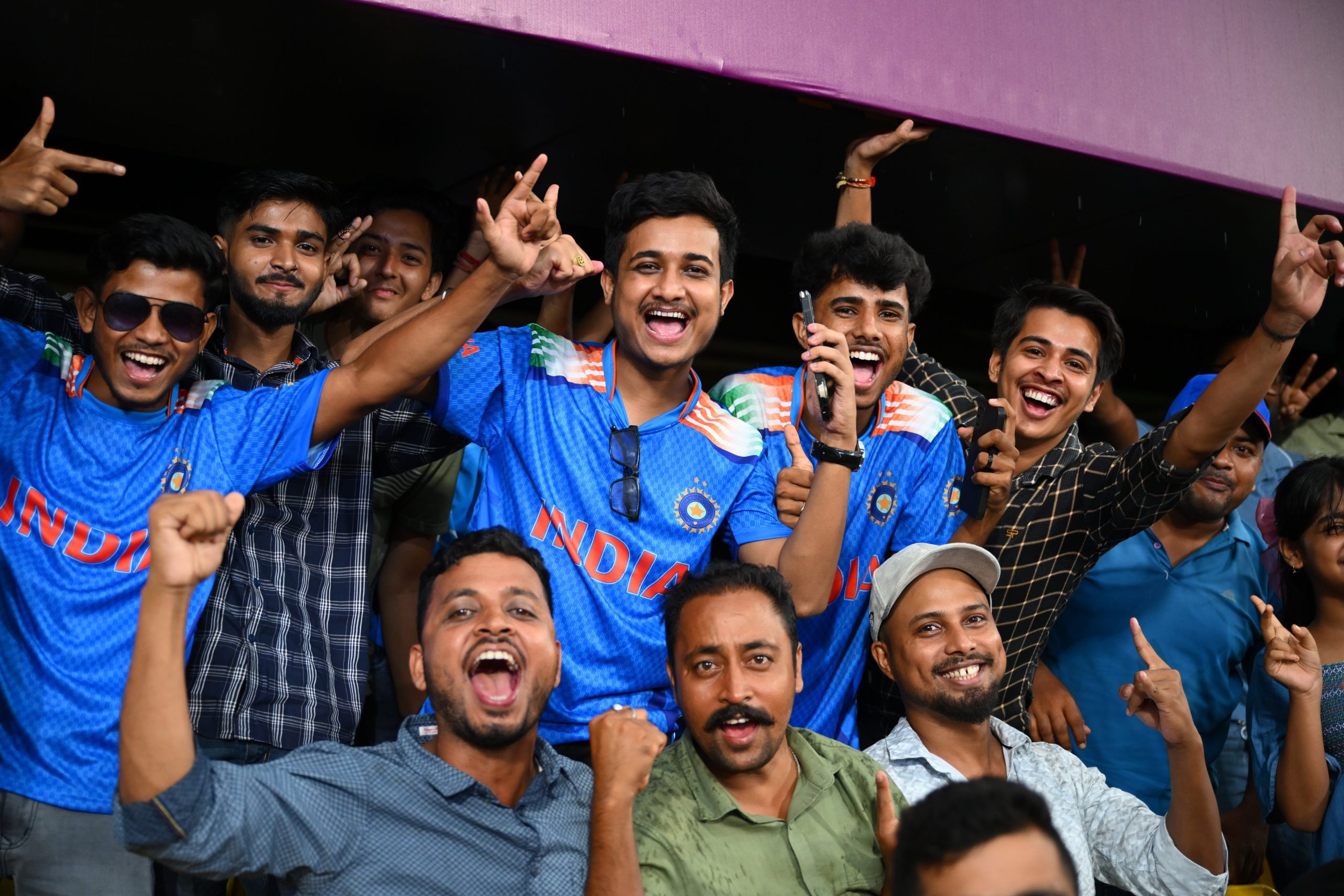
In India, every gully echoes with the sound of kids shouting “bowled!” or “six!”. Cricket is not just a sport in India; it is a religion, it is an emotion, and sometimes even a relationship that ties people together. From narrow streets to corporate offices, from villages to cities, cricket has always been the heartbeat of the country. Whenever the men in blue take the field, life seems to pause. families gather in front of television sets, and stadiums overflow with roaring fans. People celebrate the nation’s victory as their own. Only eleven players take the field, but the whole nation shares the emotions with them.
But this passion and popularity did not emerge overnight. For decades, cricket in India was dominated by men. Legendary figures like Sachin Tendulkar, Sourav Ganguly, Rahul Dravid, Yuvraj Singh, Virat Kohli, and MS Dhoni were not just cricketers; they were heroes of the country. Their posters adorned every teenager’s bedroom wall. Streets emptied when they batted. People prayed for centuries and cried when they failed.
But cricket is not a men-oriented sport anymore. Time, however, has its own way of rewriting narratives. Cricket evolved, and so did India’s perception of it. Gradually, conversations about women’s cricket started surfacing.
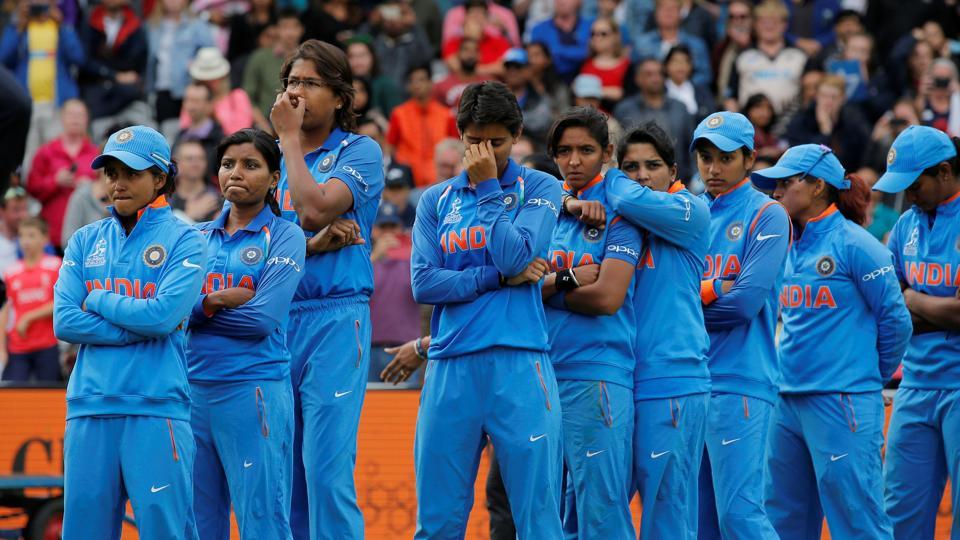
The turning point came in 2017. The ICC Women’s Cricket World Cup that year changed the face of women’s cricket in India forever. Led by captain Mithali Raj and powered by the fearless batting of Harmanpreet Kaur. Kaur’s 171-run knock against Australia in the semi-final is etched in history. India stormed into the final. The team won five out of seven matches in the group stage and displayed resilience that stunned the world. The heartbreaking loss in the final against England at Lord’s was painful. But that heartbreak was the beginning of a new era of women’s cricket in India. After the loss, what followed was extraordinary.
When the team returned to India, the players and the management expected silence. To their surprise, there was a massive crowd at the airport who were waiting to welcome them. People who had never watched women’s cricket before tuned in during the World Cup and suddenly found new idols. For the first time, Indian fans realised that cricket was not just about men. That day marked the rebirth of women’s cricket in India.
The 2017 campaign lit a spark across the country. A total of 256 million people from India watched the World Cup, and 80 million of them were from rural areas. Young girls in small towns, who once thought cricket was not for them, now picked up bats and balls with dreams in their eyes and pride in their hearts. Role models like Mithali Raj, Jhulan Goswami, Harmanpreet Kaur, and Smriti Mandhana became household names.
The most significant leap came in 2023 with the birth of the Women’s Premier League (WPL). After the huge success of the IPL, the WPL gave Indian women cricketers a platform they had long deserved. Suddenly, stadiums that once ignored women’s matches were packed. The league not only gave Indian players financial security but also priceless exposure. Sharing dressing rooms with international stars like Meg Lanning, Alyssa Healy, and Ellyse Perry sharpened the skills of young Indian girls. Cricketers like Shreyanka Patil emerged from the WPL and went on to earn national caps, proving the league was not just entertainment but also a talent pipeline.
For countless young girls, the WPL became a dream factory. Watching players like Deepti Sharma defend totals under pressure or Richa Ghosh hitting those winning runs in the finals inspired them to believe that they, too, could one day walk out in front of a roaring crowd wearing their favourite jersey.
In an orthodox society where sports were often considered a ‘male domain,’ women cricketers broke barriers. They proved that passion knows no gender. When Smriti smashes a beautiful cover drive, or when Renuka Singh Thakur swings the ball to dismantle a top order, fans now cheer with the same intensity as they do for Virat or Bumrah.
By 2025, the popularity of women’s cricket in India will have reached heights no one could have imagined a decade ago. The ongoing ICC Women’s World Cup has already created history. The very first group-stage match, held at the ACA Stadium in Guwahati, drew a record 22,843 fans. It is the highest attendance ever for a Women’s World Cup game.
Adding to the momentum, the ICC announced a massive increase in prize money for the tournament. The winners of the 13th edition of the tournament will take home $4.48 million. This represents a 239% jump from the $1.32 million awarded to Australia when they clinched their seventh title three years ago. This is a remarkable moment for women’s cricket as it marks a 297% increase from the last edition and more than the ICC Men’s Cricket World Cup 2023. a symbolic shift that underscores the growing importance of women’s cricket on the global stage.
This moment is not just about money; it is about recognition. “I’m getting goosebumps”, legendary Indian pacer Jhulan Goswami quoted after the announcement.
India’s journey in women’s cricket is still unfolding. Challenges remain in better infrastructure in rural areas, more grassroots programs, and consistent support at the domestic level are necessary.
The packed stadiums during WPL games in 2025 show that fans are no longer distinguishing between men’s cricket and women’s cricket; they are simply celebrating cricket as a whole. The cheers for Mandhana’s cover drive, the admiration for Harmanpreet’s leadership, and the applause for Richa Ghosh’s wicket-keeping magic are as genuine as the love for Kohli or Rohit.
From the silent struggles of the past to the thunderous roars of packed stadiums, women’s cricket in India has travelled on an extraordinary journey. Cricket in India is no longer just a men’s story; it is a shared legacy where women have carved their space with resilience and brilliance. As the Women’s World Cup 2025 unfolds, one thing is clear: the spirit of cricket in India is no longer bound by gender. It belongs to everyone who dares to dream with a bat in hand and fire in their heart.


