Multiple young-adult American TV shows for girls have empowered a large number of girls worldwide to be unapologetic fashionistas. Forever 21 takes away the cake for being a whole generation’s favorite in this regard.
Forever 21, the brand that once defined teen wardrobes in the 2000s and early 2010s, is closing all of its stores across the U.S. The announcement has left many nostalgic fashion lovers sad- after all, Forever 21 was a feeling, a place of bringing fashion aspirations to reality for many.
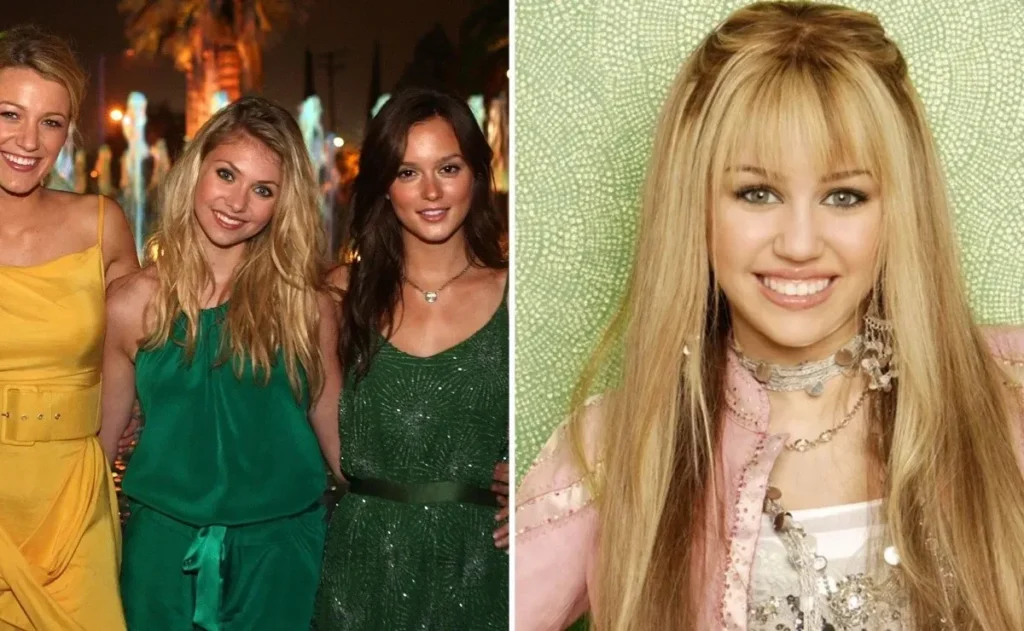
At its peak, Forever 21 was THE go-to for trendy fashion that was affordable. What made it every girl’s favorite was that it dressed characters on cult-favorite shows like Hannah Montana and Gossip Girl, and its giant bags with bold lettering were as iconic as the outfits. The brand had party clothes to flashy accessories all at prices that made it possible for teenagers to go on shopping sprees.
But every glorious thing must come to an end, today, Forever 21 is struggling. The reason is as simple as the shoppers have changed and the brand has not changed itself to match with the new buyers. Not only are people buying less of such designs, they are also choosing more thoughtful and sustainable options. Online shopping trends that are more Gen Z friendly like inclusivity and eco-consciousness are taking the lead, and brands that aren’t incorporating these values today, are losing out on these shoppers. This isn’t Forever 21’s first setback- it filed for bankruptcy in 2019 too. But now with more stores closing rapidly, the closure seems final.
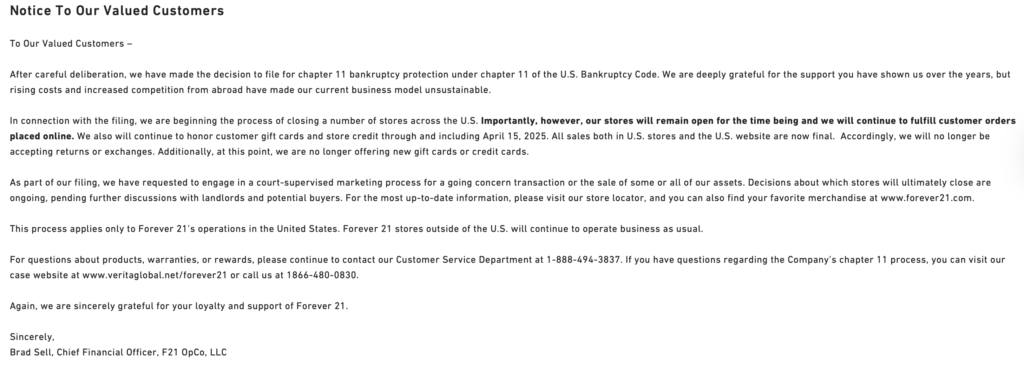
Is the brand going to die? Not in people’s memories, but also not in reality. While the stores will close, you can still shop Forever 21 online and maybe in some special locations- but that isn’t clear yet. While this gives some hope, the golden age of in-store hauls and mall trips is going to take a hit.
This issue is not just limited to Forever 21. This is a part of a growing trend. We recently saw something similar with The Body Shop, which also shut down a lot of its stores recently.
Could we see this trend flow into India too? Maybe, but not soon. As local, homegrown, and sustainable brands that offer quality over quantity, continue to rise, we might see a shift in shopping trends in India too someday.