A large number of women are affected by breast cancer, threatening their health and their lives. This occurs with highly metastatic and invasive malignant tumours. There is no one thing to blame in case of any disease, but we can always include a range of things that might have an impact on causing the disease. Similarly, we can say that there can be a wide range of things that can cause breast cancer. Things like gene mutation, family history, psychological and environmental factors, etc., might also include the intake of exogenous hormones.
Female hormones are an important part of female reproductive growth, like the development of the breasts, uterus, etc. Sometimes, adding artificial hormones into the body can disrupt the proper hormonal cycle of a female’s body, which can cause many temporary side effects, but some studies focus on the long-term, permanent effects of taking artificial hormones. One such hormone can be your contraceptive pills.
Study shows that these artificial hormones can disrupt the natural receptor-dependent signalling pathway, which can eventually cause cancer when used for the long term. During women’s different developmental stages, the mammary gland’s sensitivity to each hormone varies, leading to changes in molecular mechanisms.
What are oral contraceptives?
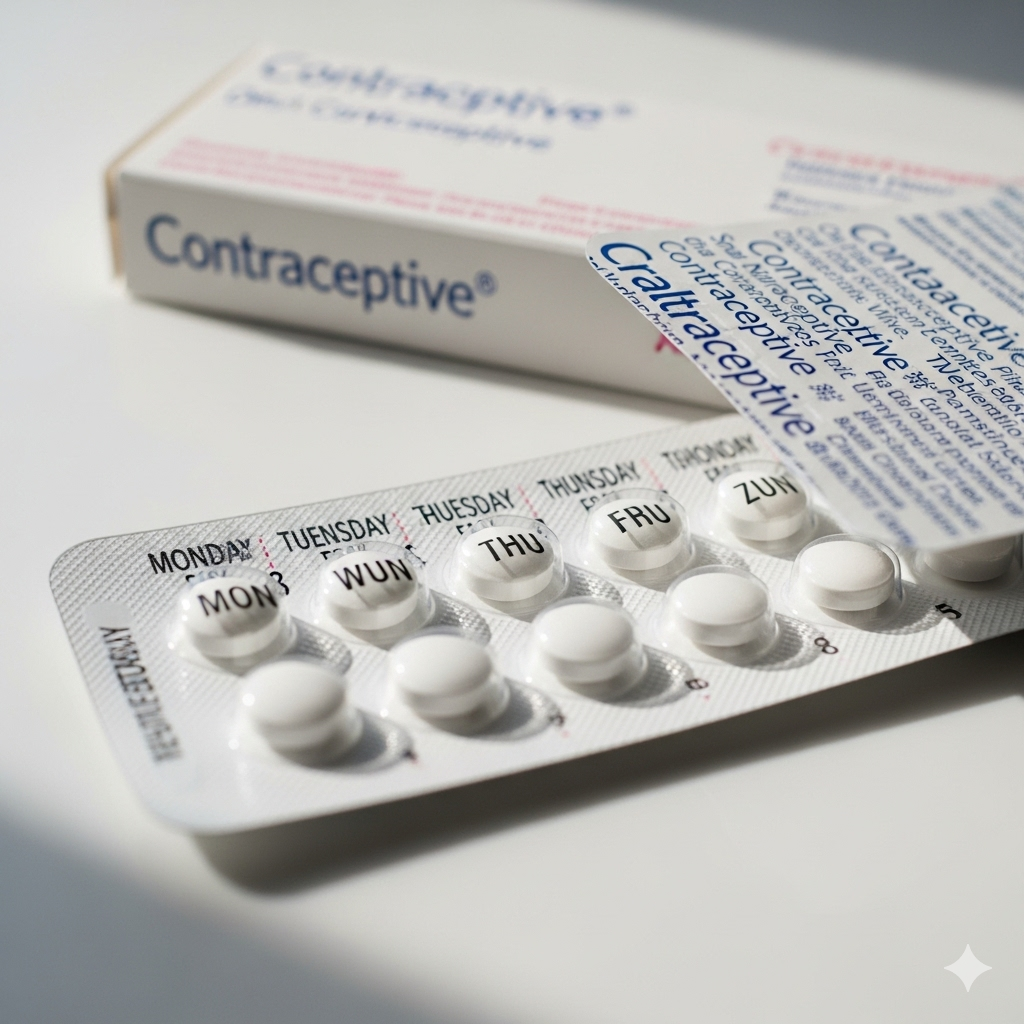
Oral contraceptives are artificial hormones containing medications that are used to prevent pregnancy. They do this by inhibiting ovulation and by preventing sperm from penetrating via the cervix.
How do oral contraceptives cause breast cancer?
At the time of normal female development, estrogen signalling helps in pubertal ductal elongation, whereas progesterone acts on mammary epithelial cells, which is necessary for alveologenesis (production of milk-producing structures within a mammary gland) and the sidewise branching of ducts. Prolactin is important for the proliferation of epithelial cells and the production of milk. It also has paracrine and autocrine functions and exerts its biological activities via membrane prolactin receptors, which belong to the cytokine receptor superfamily. Prolactin and prolactin receptor pathways are necessary regulators in the development of the mammary gland via Prolactin generation and prolactin receptor gene knockout.
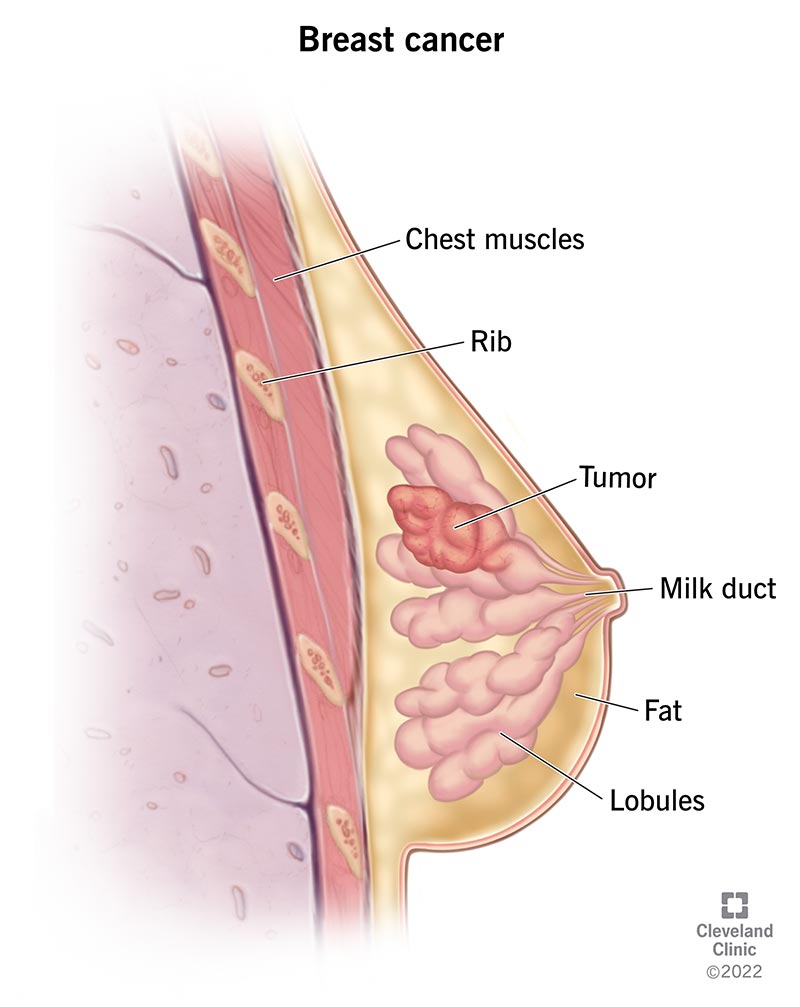
During pregnancy, these prolactin receptor signalling drives further mammary alveologenesis, which is required for milk production and secretion. And estrogen and progestron are secreted by different mammary epithelial cell populations, which work by creating extensive paracrine crosstalk between estrogen and progestron signalling and prolactin and progestron signalling pathways. These pathways are crucial for maintaining the integrity of the genome and are associated with cancer susceptibility.
Exogenous hormones similar to those contained in contraceptive drugs could affect these pathways, eventually increasing breast cancer risk.
What does the study tell us?
After analysing more than 150,000 women who participated in 54 epidemiological studies, it was concluded that overall, among women who had ever used oral contraceptives, there was a slight 7% increase in breast cancer risk when compared to women who never used contraceptives.
Women who were using contraceptives at the time had a 24% increase in breast cancer risk, and it did not increase over time.
As the women stopped using contraceptives, the risk declined, and after 10 years, no risk increase was found.
Dr. Liz O’Riordon, who is a consultant breast surgeon and has had breast cancer twice, shared her views on the correlation of contraceptive pills and breast cancer.

Another analysis of Nurses’ Health Study data, which included more than 116,000 female nurses aged 24 to 43 years old at the time of study in 1989, showed that women who used contraceptives had a slightly higher risk of cancer than non-users. Also, nearly all of the increased risk was seen in women who used a specific type of pill – a Triphasic pill. The dose of hormone in this pill changes in 3 different stages of a woman’s monthly cycle.
What can be done to prevent breast cancer caused by oral contraceptives?
- Ask your doctor if there are any other ways to treat this problem you are facing, like acne, PMS, or irregular periods.
- Try to know your family history of breast cancer, liver disease, or clotting disorders. If you find any, then you should be cautious about taking oral pills.
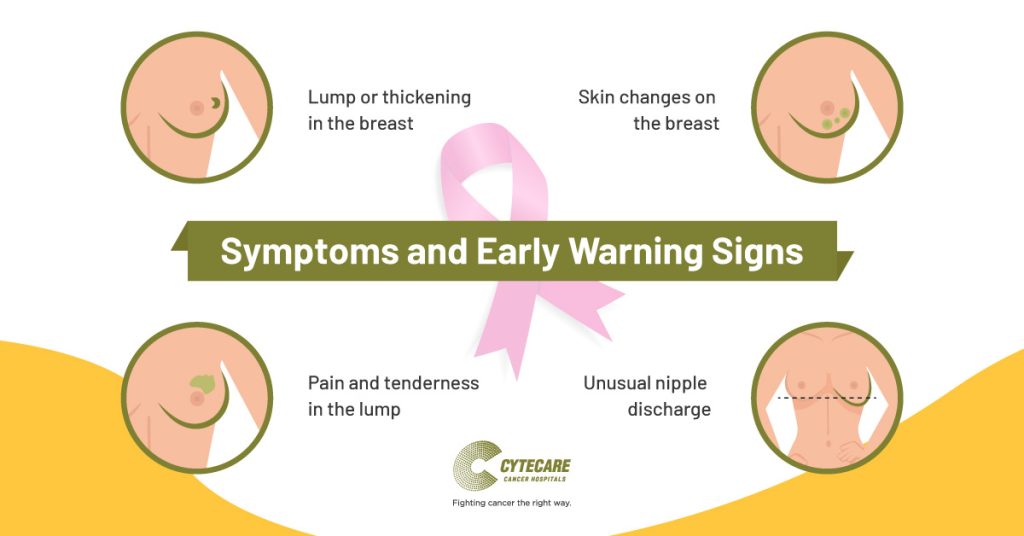
- Do regular screening of your breasts, and if you want to stop using oral pills, don’t abruptly, as it can cause hormonal chaos and unplanned pregnancy. And always transition under a doctor’s supervision.