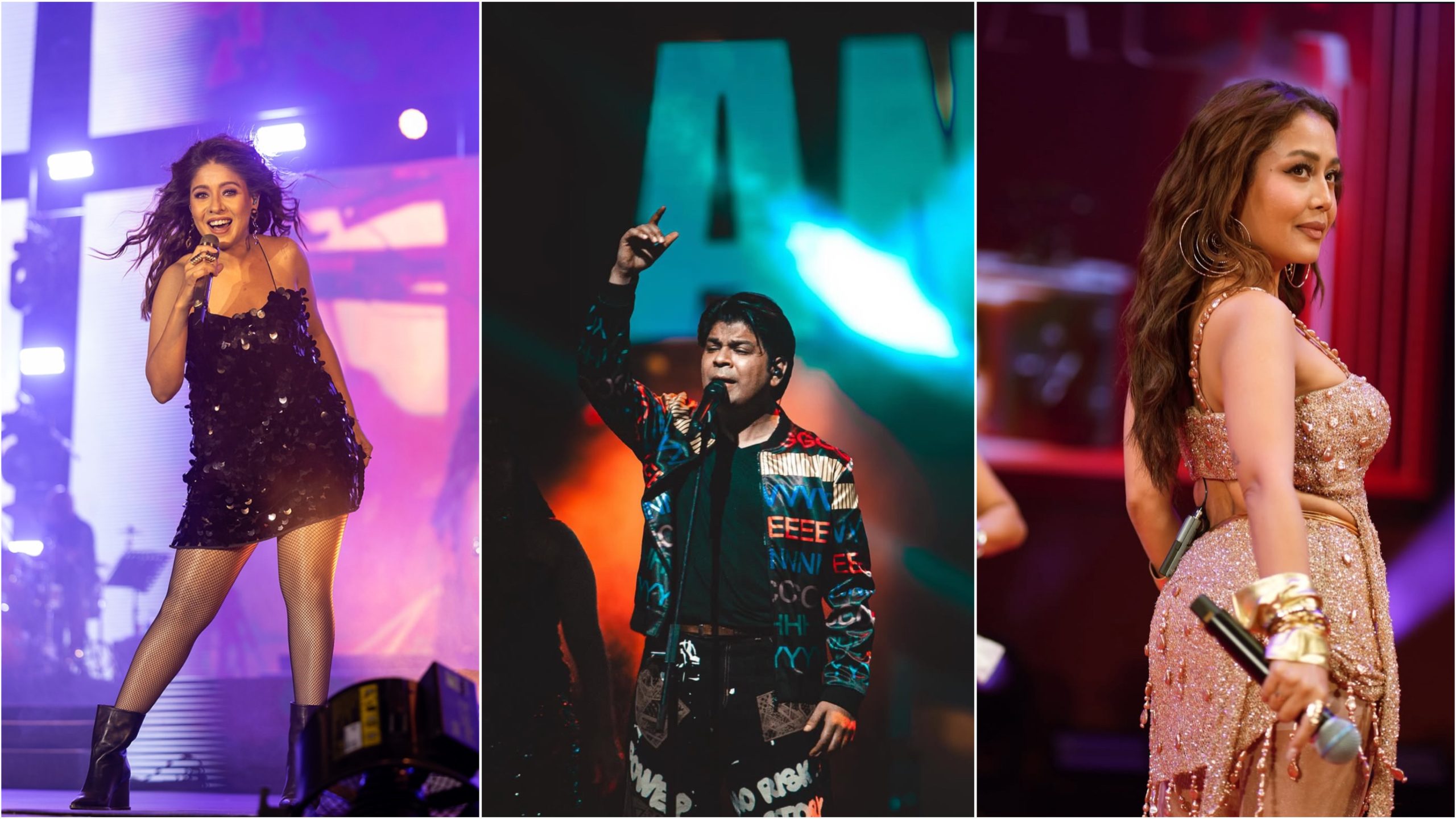
What is your favourite Bollywood song? How do most people answer this question? Perhaps they’ll name their favourite. Most people will name the film or the actor on screen. Rarely does anyone think of the singer. That’s Bollywood – where playback singers, true to their name, are really at the back.
In Bollywood, songs are inseparable from the films they belong to. A hit song is not remembered for the singer who voiced it, but for the actor lip-syncing, the choreography, and the film’s overall impact. Playback singers have often played the second fiddle, forgotten, despite carrying the emotional weight of the song, while actors steal the spotlight.
Move West, the music industry runs on star-driven culture. Singers like Taylor Swift, The Weeknd, and Ariana Grande are more than just artists – they are brands. Their music is their identity, something not borrowed by an actor on-screen. Their charisma, talent, and style make their entire career. And when they do give voice to the actors, they and the on-screen actor are at the same level, unlike in Bollywood, where they fade into anonymity.
Bollywood playback singing tradition
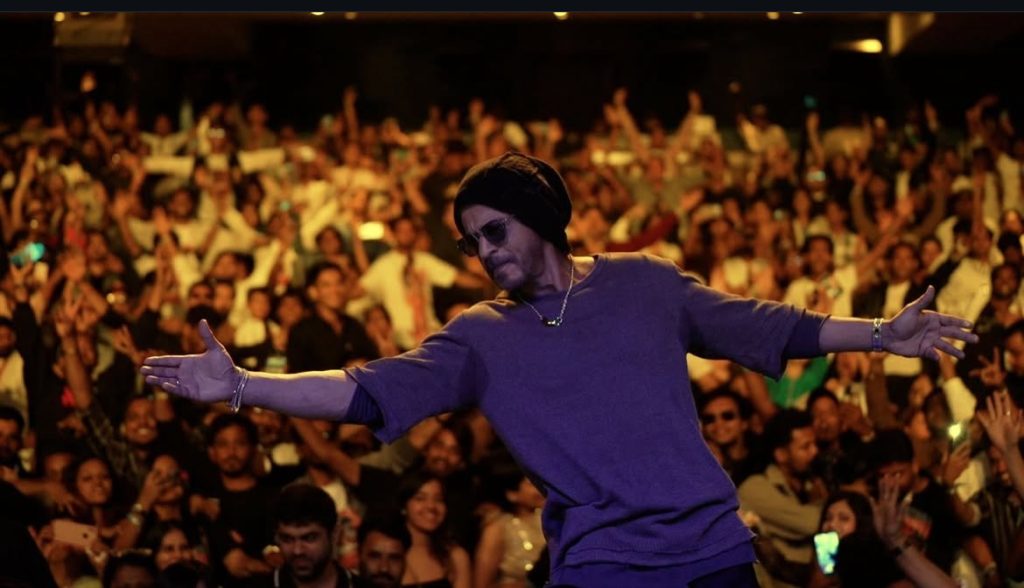
The Bollywood playback singing tradition is as old as Bollywood. A singer records a song in a studio and later, an actor lip-syncs to it on screen. This has become a defining feature of Bollywood music, allowing actors to still perform elaborate singing sequences without actually singing the song. While this created a space for talented voices, it also meant the face of a song would mostly be an actor, not the singer.
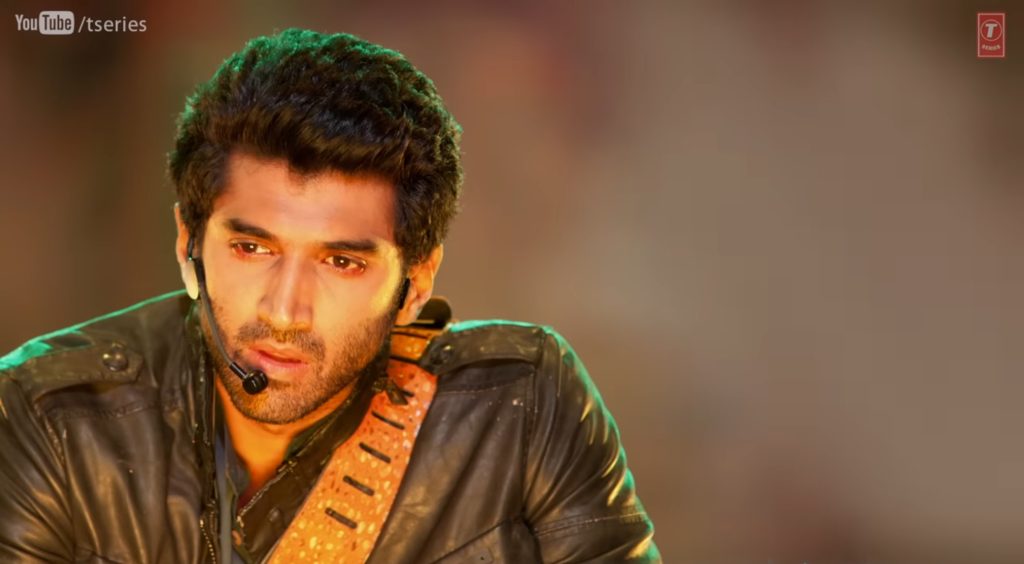
Singers like Arijit Singh, Shreya Ghoshal, Sunidhi Chauhan, Ankit Tiwari, and many more have a big fan base, but they are secondary to the actors. Even today, we remember songs as ‘Salman Khan’s song’, ‘Nora Fatehi dance number’, or ‘song from the film Aashiqui 2’, when these actors don’t have much to do with the songs.
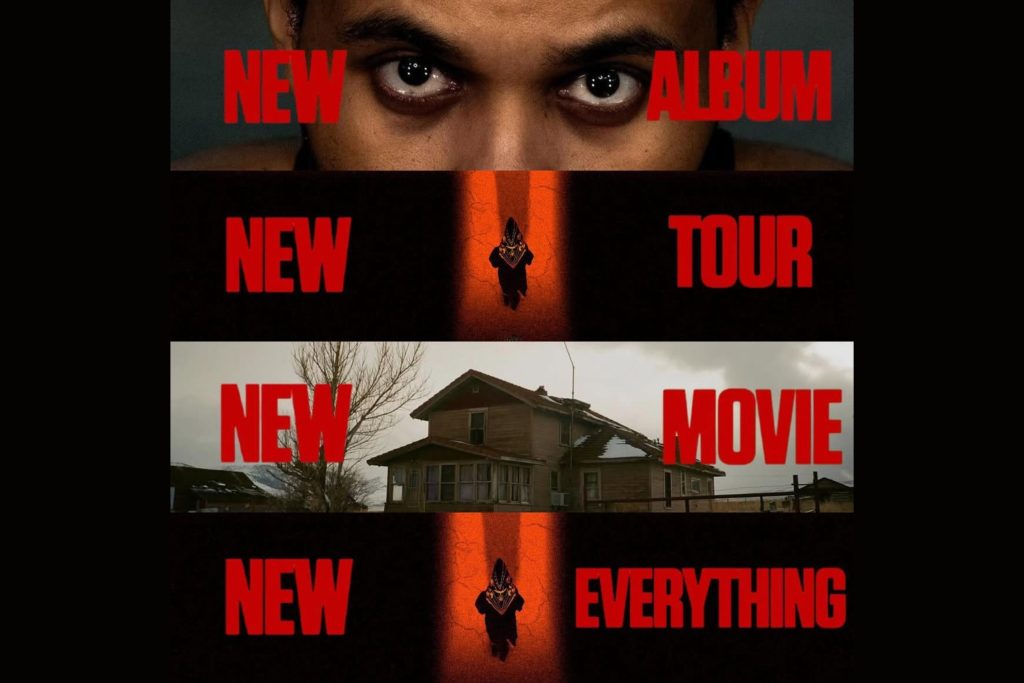
In the West, singers are not just voices behind the music – they are the music. A Taylor Swift album is not just a bunch of melodies and tracks put together; it’s her personal narrative, her brand, and a way fans connect with her life story. The Weeknd’s extravagant tours, Ariana Grande’s soft aesthetics, or Beyoncé’s performances all highlight how an artist’s persona shapes their musical success.
Western pop thrives on individuality, unlike Bollywood, where a song is tied to the film it belongs to. Artists in the West build their identity through their style, lyrics, stage presence and even social media. Concerts aren’t about singing live – they are an immersive experience, a place where a star’s brand and artistry take center. This direct link between artist and music creates an intense fan culture, where loyalties lie with the singer rather than any actor or film.
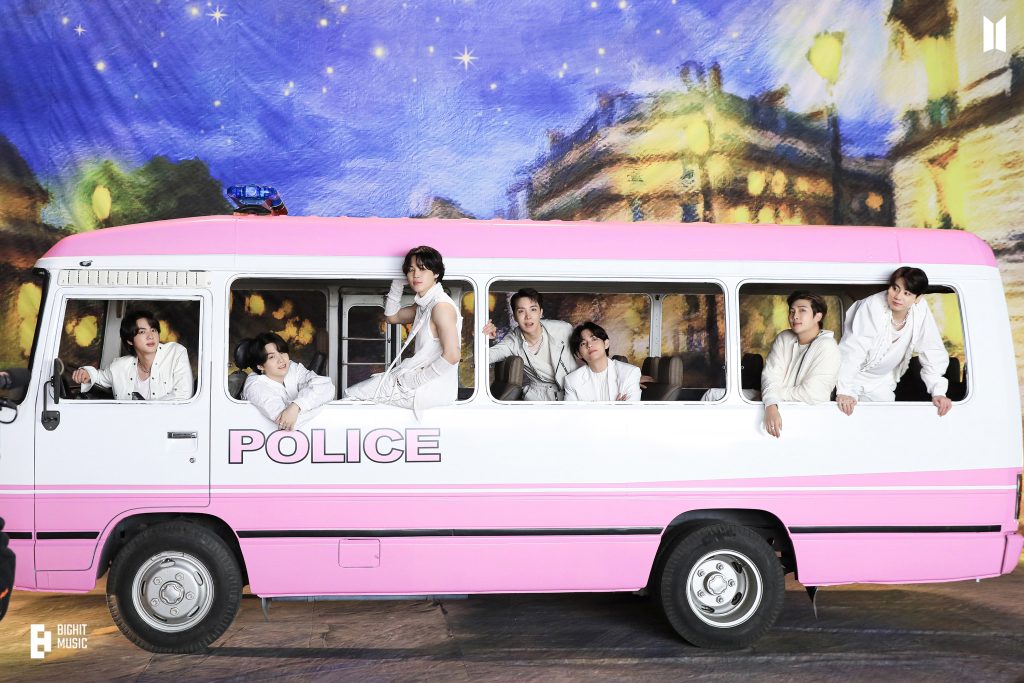
K-pop takes the idea of artist identity to a different level. Groups like BTS don’t just release music; they build a whole universe of it. Their concept-driven videos connect to larger storylines with symbols, themes, and aesthetics that fans try to decode and follow across albums. For fans, it’s not about listening to a track – it’s about immersing themselves in the artist’s world.
When compared to the West, fan cultures look very different in Bollywood. In India, fans fall in love with a soundtrack not because of the artist, but for who it belongs to, and who performs on screen. A romantic ballad becomes a “Shahrukh Khan’s song” or a dance number is remembered as “Hritik’s hit”, even if Arijit Singh or Neha Kakkar are the voices behind it.
In the West, however, loyalties lie with the artist. Fans treat Taylor Swift’s new album as a diary entry, each release marking a new chapter in her story. With The Weeknd, each new era arrives with distinct sonics and visuals, keeping the fans hooked. The connection remains not just with the music, but with the person who creates it. This difference in fan cultures shows how Bollywood treats songs like an extension of cinema, but the West and K-pop treat songs as an extension of the artist’s identity.

But the picture is changing. Streaming platforms and social media have opened up space for artists beyond Bollywood’s playback system. Indie musicians like Anuv Jain and Prateek Kuhad, with their soulful music, thrive on Spotify and YouTube, have made a loyal fanbase without the backing of films. Bands like The Local Train release music independently, and their concerts pull crowds, where fans come solely for their music, not because they are tied to a song. This shift mirrors artists being recognised as a face of their own music.
Playback singers may linger in Bollywood’s shadow, but the tides are shifting. With indie artists and bands carving out their own space, and a younger audience consuming music directly through streaming platforms, India is coming closer to a culture where singers take the spotlight. Perhaps one day, a fan might hum a tune and remember not the face that was on screen, but the voice that gave it life.