From the intricate lines of Madhubani to the fluid waves of Leheriya, India’s folk art is experiencing a stylish renaissance. Long considered the domain of tradition, these time-honored techniques are now enjoying global attention as Indian designers, luxury labels, and Gen Z influencers weave cultural legacy into the seams of contemporary fashion.
A convergence of slow fashion, cultural revivalism, and sustainability has made erstwhile niche craft forms a fashion essential. From rural artisans to Paris runways, India’s folk painting arts are gaining access to closets across the globe.
Rural Origins, Runway Relevance
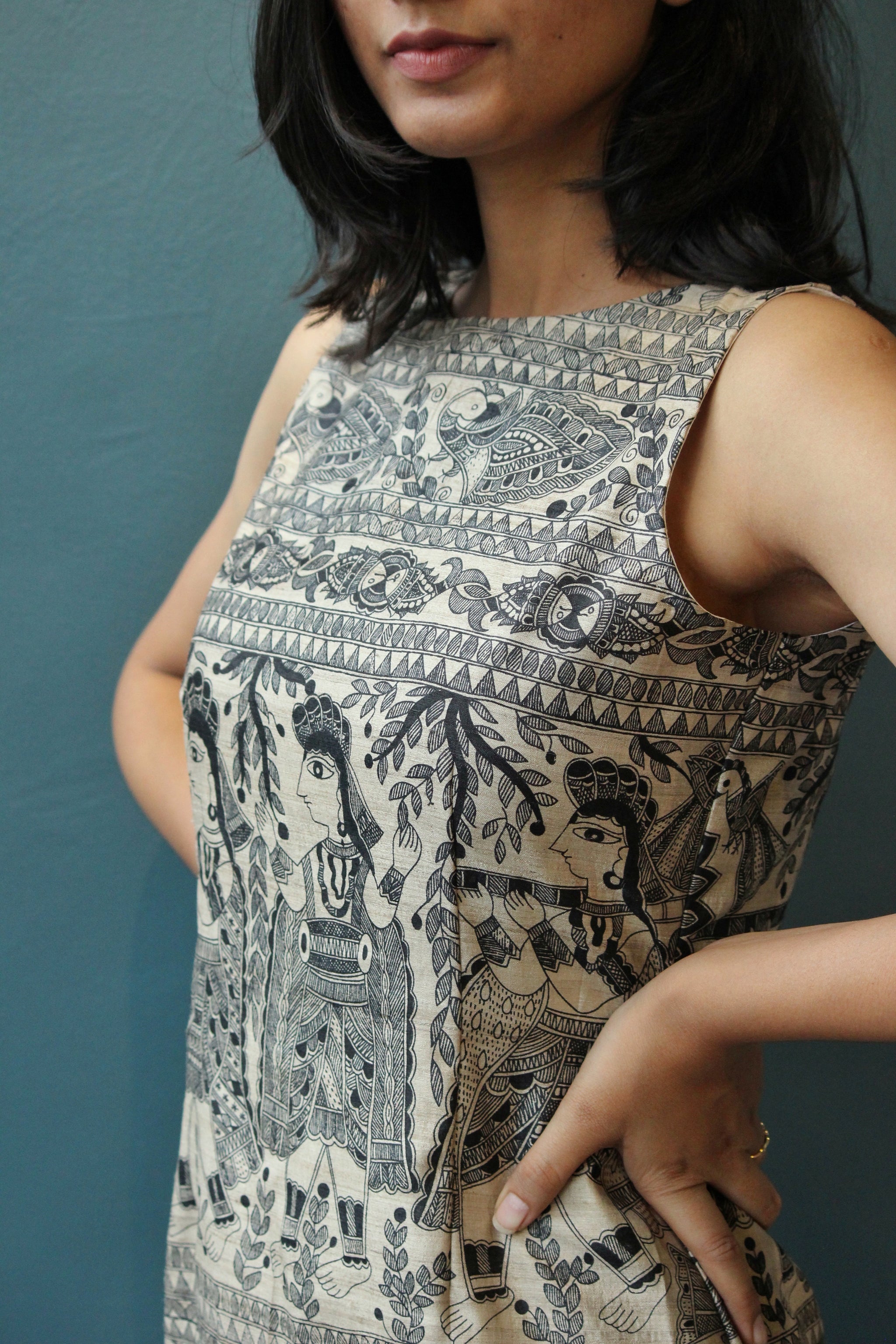
Consider Madhubani, Bihar’s venerated art form, famous for its mythological narratives and geometric shapes with bold strokes. No longer restricted to wedding decorations or wall murals, this folk art form is now painted on jackets, saris, and scarves. Designers such as Masaba Gupta have teamed up with craftspeople to reinterpret the designs in ready-to-wear lines, keeping the practice intact while giving it a modern appeal. Brands like B Label and Mogra Designs have added Madhubani to their textile lines, giving the craft a bigger push while making it wearable and accessible to younger shoppers.

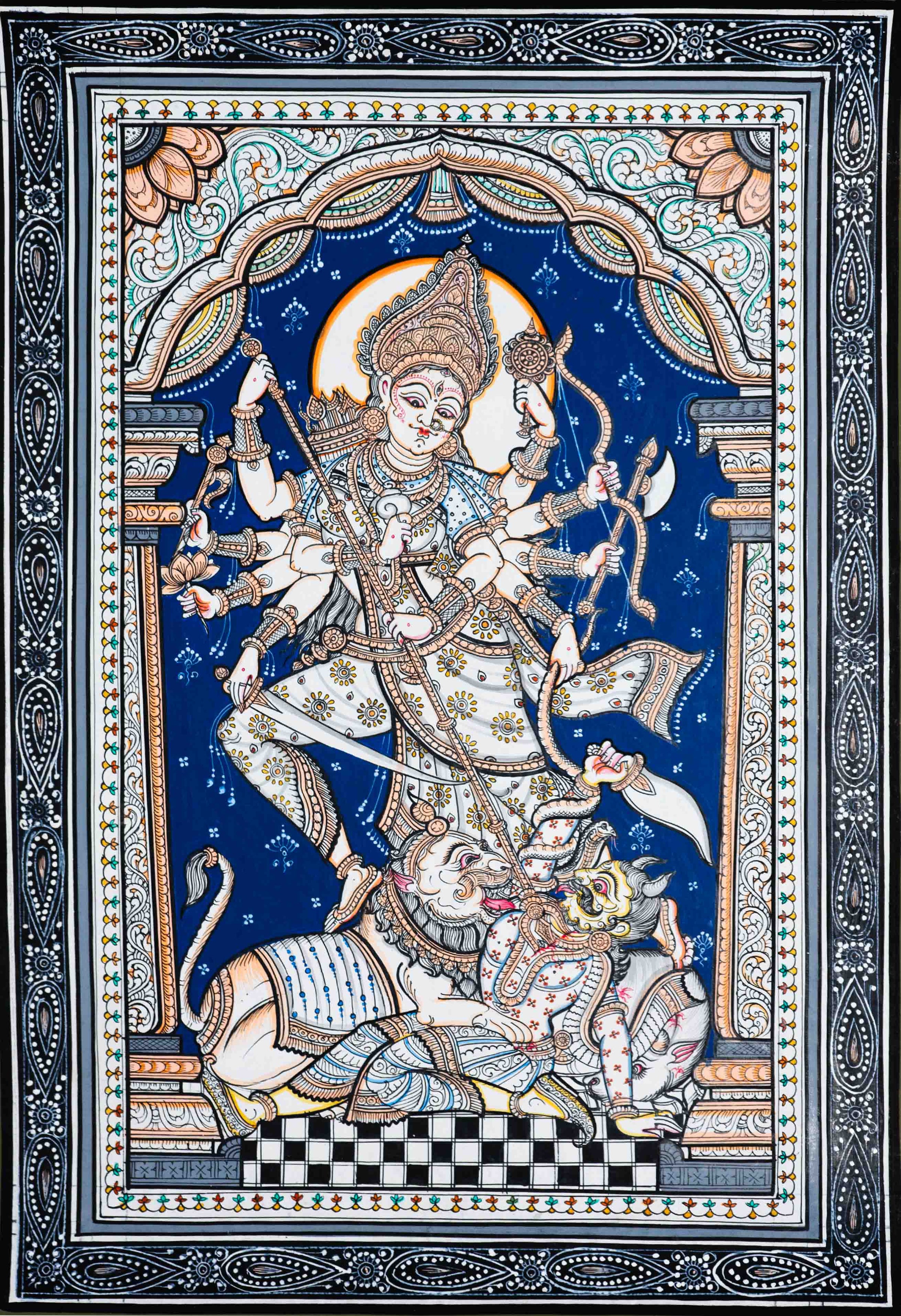
Just as compelling is Pattachitra, Odisha and Bengal’s scroll art storytelling. With its fine lines and spiritual motifs, it’s been reinterpreted on tunics, accessories, and even shoes. High-end fashion labels like Swati & Sunaina and design groups based in Bhubaneswar have incorporated it as a chic norm in handloom fashion, making garments that imbue museum-grade artistry into streetwear.
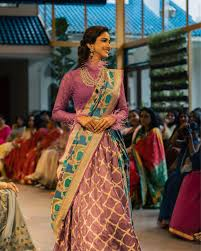
Andhra Pradesh’s Kalamkari, literally “pen work,” has moved beyond the religious. Once used to illustrate scenes from Hindu epics with natural dyes and hand-drawn lines, it has discovered a new canvas in city silhouettes. Gaurang Shah overlays Kalamkari with Khadi and Jamdani, while Anita Dongre has taken it international with eco-luxe options. Shah’s light lehengas, decked with hand-painted Kalamkari panels, are a testament to the way folk craftsmanship can be made couture.
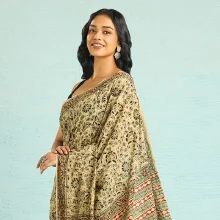
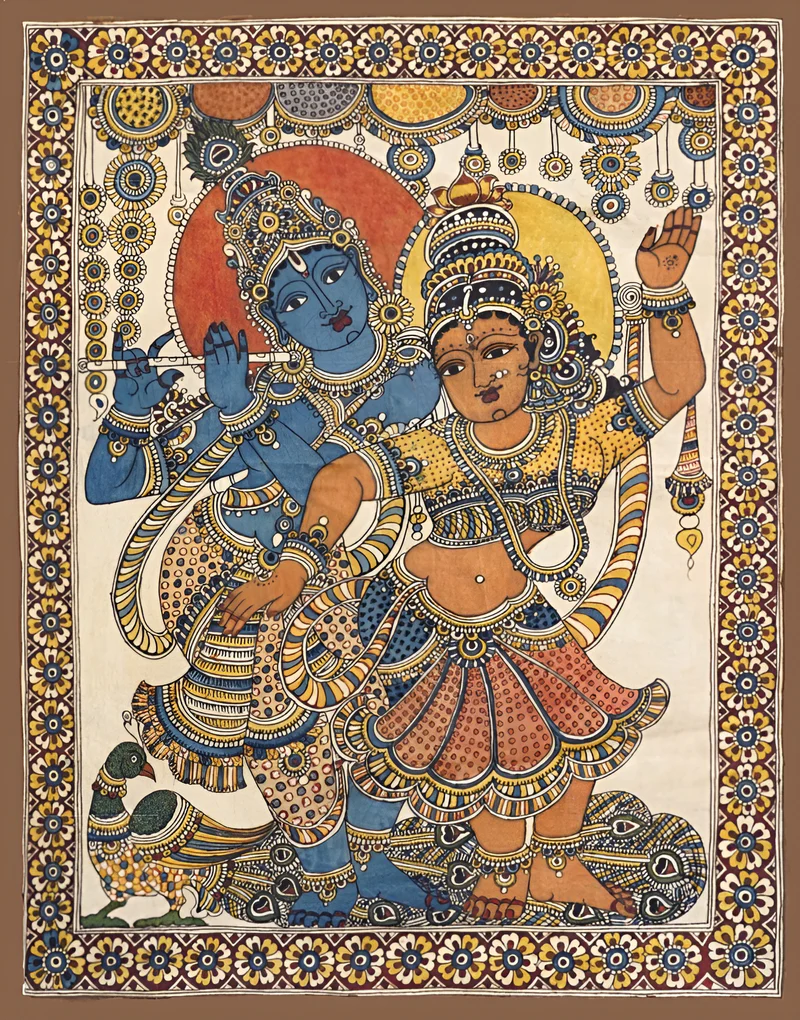
Kalamkari also spilled over into menswear, with brands such as Taneira and Tilfi designing Kalamkari shirts, jackets, and even pocket squares. These items bring the art form to new markets and ensure its ongoing viability.
Warli and Gond: The Tribal Print Phenomenon
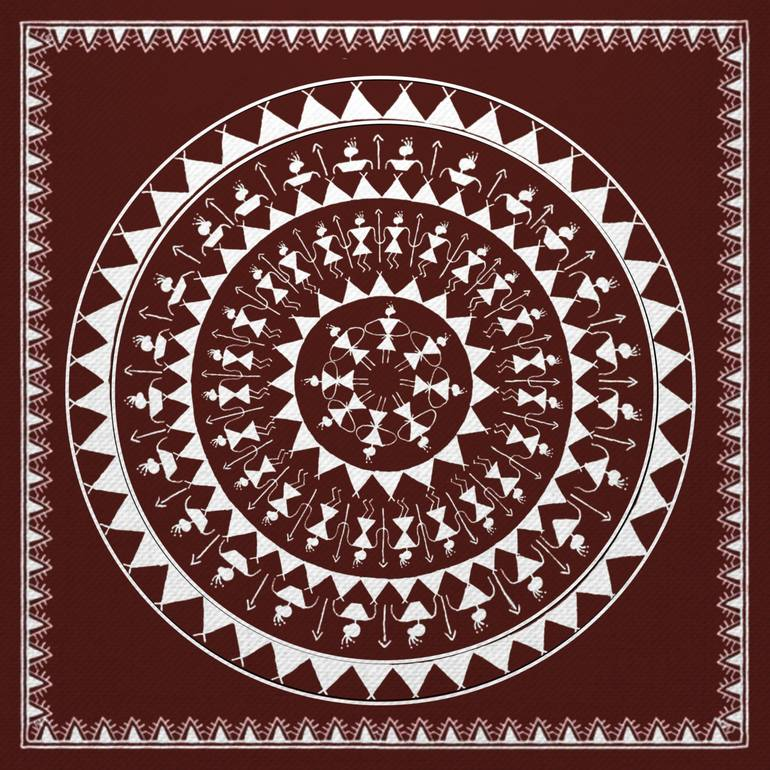
Maharashtra’s Warli art, featuring minimal, stick-like animal and human figures, has become a graphic design darling. Commencing on hut walls with rice paste, its motifs now adorn fashion items from streetwear to high couture. Nicobar and FabIndia have both launched collections with prints featuring Warli-inspired designs on kurtas, crop tops, and scarves.
Gond art from Madhya Pradesh is richer, with more intense colors, delicate dots, and brushstrokes. The art, typically depicting nature, animals, and folklore, has been a favorite for hand-printed apparel and accessories. Designers such as Ritu Kumar and Pero have incorporated Gond motifs through detailed embroidery and digital printing methods, debunking the myth that tribal is primitive—it is powerful.
Not Just Embroidery—An Identity
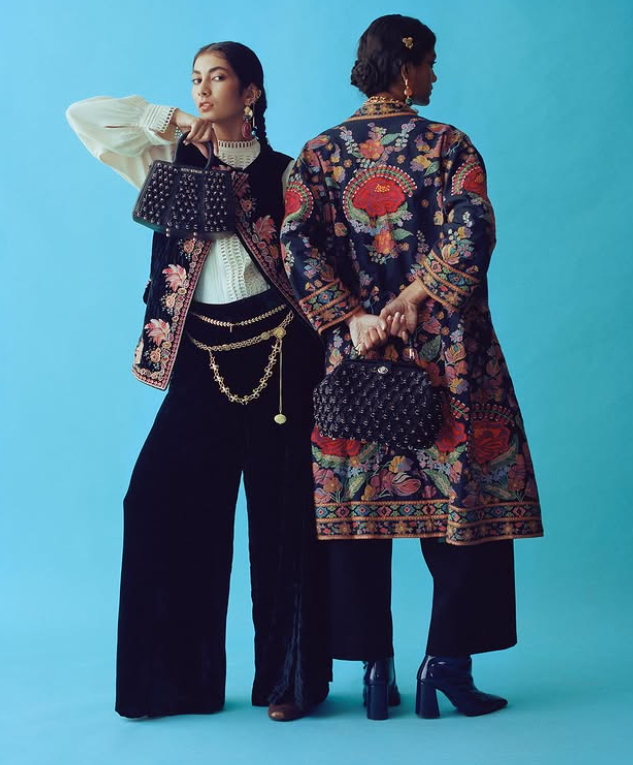
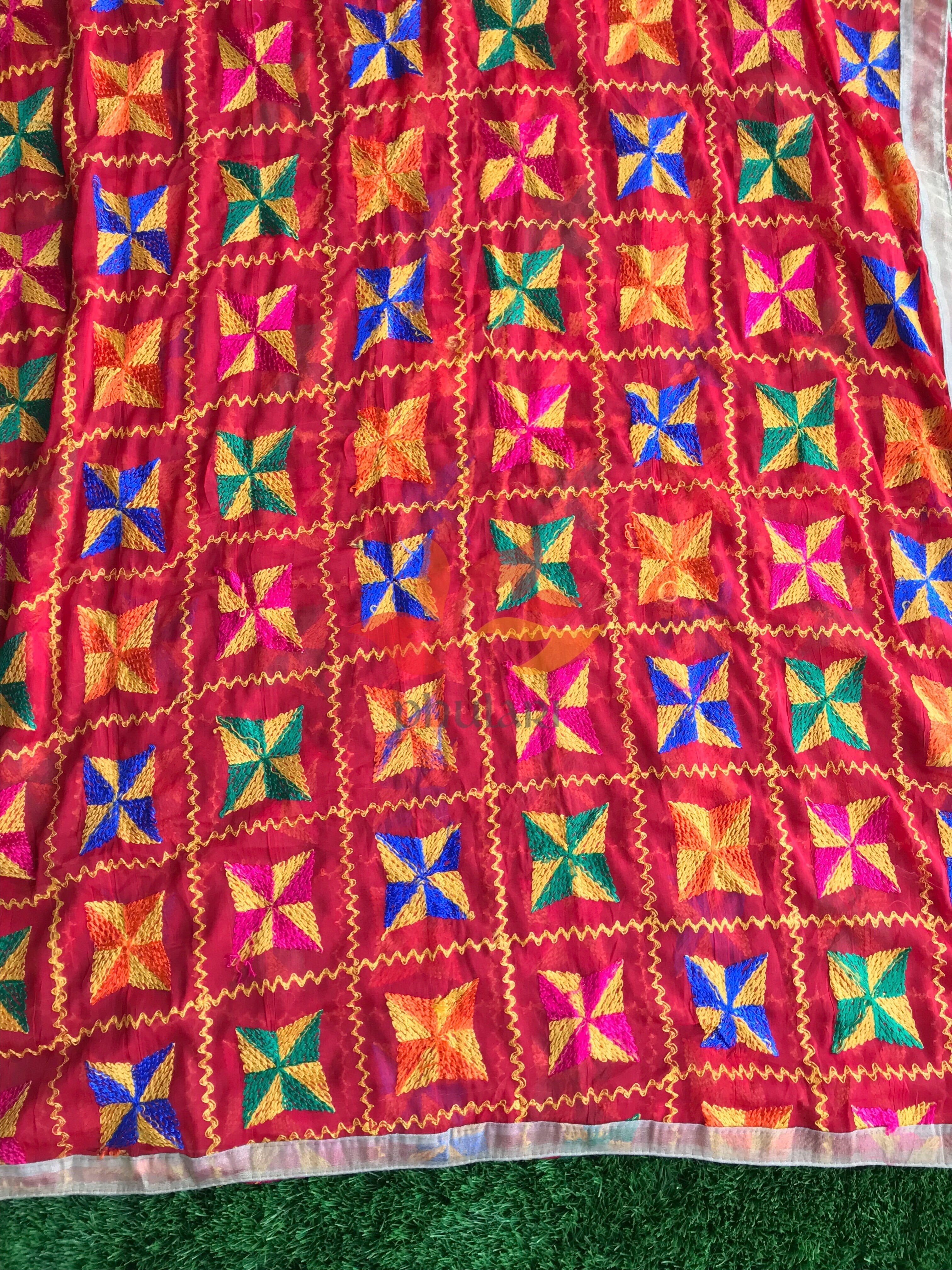
Punjab’s Phulkari and Bagh embroideries, one-time wedding treasures, are today edgy fashion statements. With their rich floral and geometric threadwork, these fabrics have invaded structured jackets, trendy skirts, and catwalk-perfect blouses. Favorite of stylists and influencers alike, Phulkari delivers a shock of color to otherwise minimalist looks.
Brands such as 1469, LoveBirds, and Tokree have reinterpreted these traditions with contemporary tailoring, making them more affordable. The aesthetic effect of Phulkari—bright, festive, and earthy—is consistent with the present fashion trend towards expressive individuality.
Meanwhile, the swirling patterns of Leheriya and the dotted drama of Bandhani—tie-dye techniques from Rajasthan and Gujarat—have become go-to options for festive and resort wear. Abraham & Thakore’s reinterpretation of Leheriya in neutrals and monotones has introduced the pattern to a minimalistic, global audience.
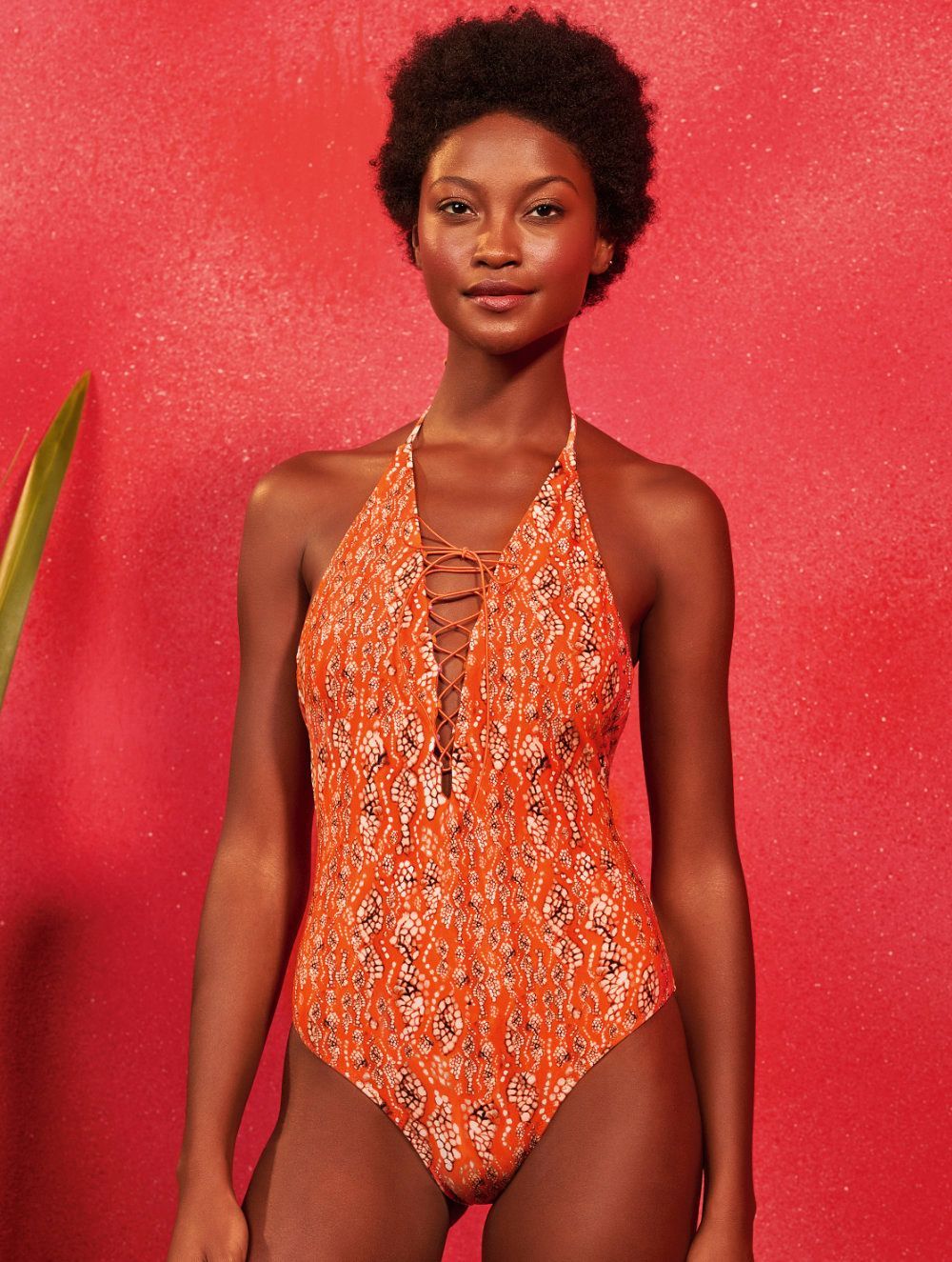
Bandhani, in its characteristic hues of crimson, indigo, and emerald, has become a summer favourite. Jaypore and Saundh have designed Bandhani maxi dresses, shirts, and kaftans that fuse tradition with international design. Swimwear and loungewear lines, too, have incorporated Bandhani, reflecting its versatility.
Artisans as Co-Creators, Not Afterthoughts
Couture houses are now collaborating directly with artisan clusters to support such traditions. Sabyasachi Mukherjee is at the forefront, inculcating hand-painted Kalamkari and Madhubani within his high-end collections. Imperfection and uniqueness are what his work embodies—gospel according to folk art—and puts artisan names in the limelight.
At the grassroots level, NGOs such as Dastkar and SEWA help connect urban designers with rural craftspersons, which is not just fair trade but meaningful collaboration. The outcome is an ecosystem where heritage meets innovation and where artisans are no longer just laborers but co-creators of style.
Rahul Mishra, who has enjoyed Paris Fashion Week stardom, has woven Chamba Rumal embroidery and Uttarakhand tribal patterns into his international collections. These are not token references—they are profound design thinking based on respect and rebirth.
Global Eyes on Indian Craft
The trend is not local alone. Indian folkways have influenced European brands too. Hermès borrowed cues from Madhubani for limited series scarves. Stella McCartney has featured Kalamkari-inspired motifs in capsule collections, and Valentino, too, has made references to Indian textiles in their silhouettes.
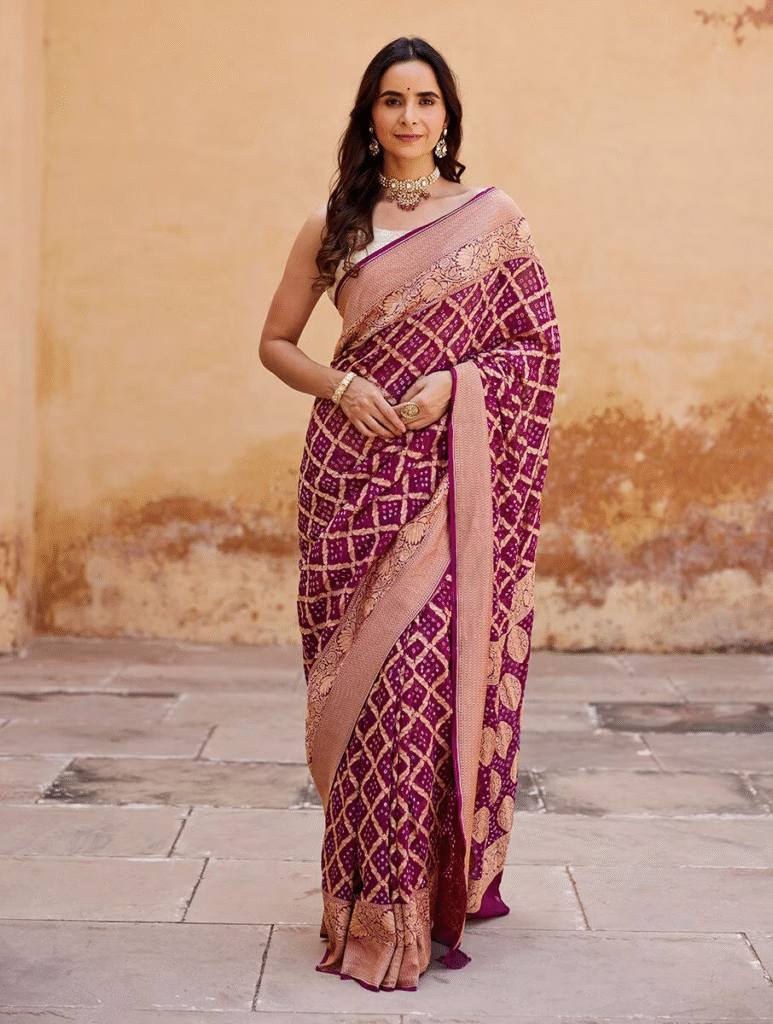
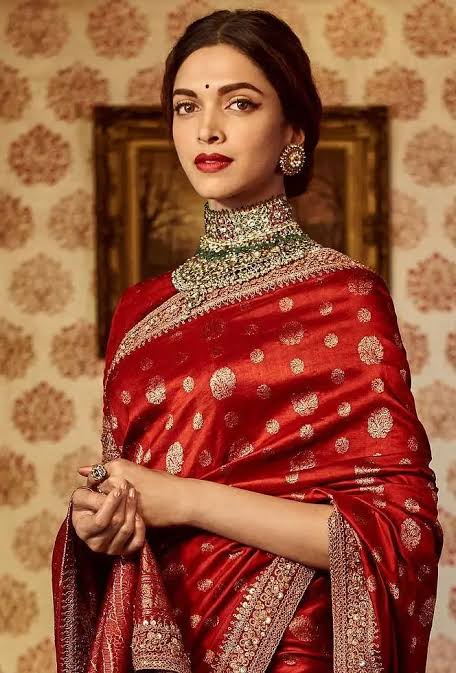
In popular culture, Bollywood has been at the forefront of speeding up this revival. Alia Bhatt’s Bandhani jumpsuit for press interactions, Deepika Padukone’s Banarasi drapes for red carpet appearances, and Ranveer Singh’s fascination with Phulkari have turned these into coveted trends. TV shows and OTT are also playing their part by making costumes with folk motifs visible.
Even with the boom, problems persist.
Machine-produced copies, minimal salaries for artisans, and an absence of overall documentation threaten these delicate ecosystems. Cultural appropriation is a second problem; as foreign designers appropriate motifs, issues of credit and remuneration become paramount.
To combat this, style-forward ethical brands are setting the pace. Okhai, Buno Behen, and Mati deal directly with clusters of artisans, with fair wages, ethical procurement, and complete transparency. These partnerships not only preserve tradition but enable consumers to make informed, values-driven fashion decisions.
Online shopping sites such as Jaypore and India Craft House feature artisan-inspired lines, providing customers with choices based on sustainability. These websites give rich context—narratives of the craftspeople, the process, and the story behind every piece of clothing—to make fashion more meaningful.
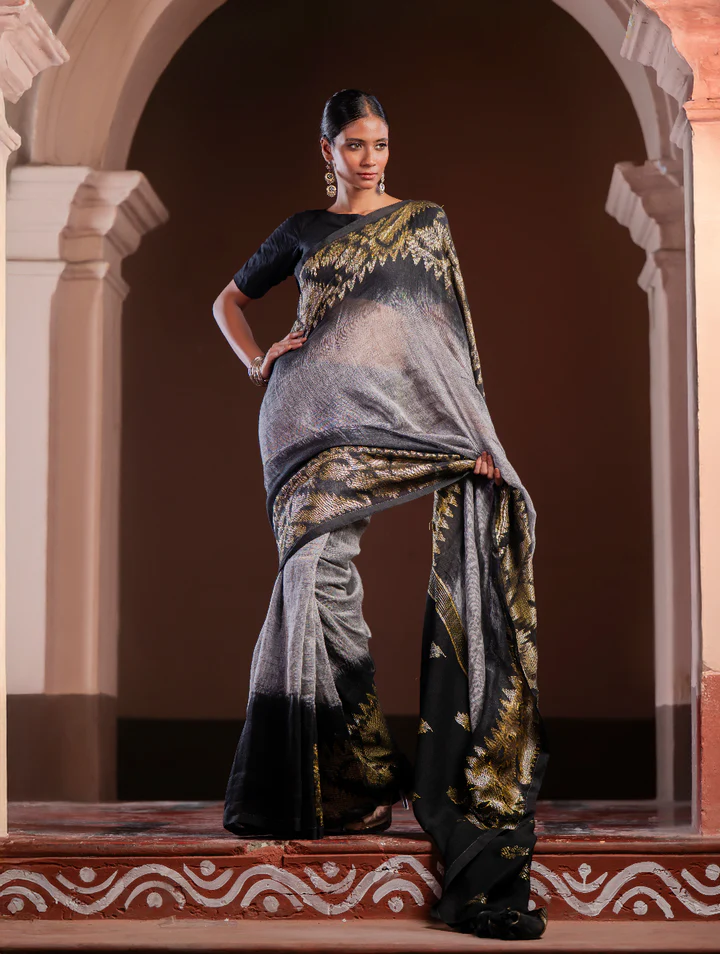
As folk art finds its way into India’s fashion mainstream, it does more than add beauty to clothing—it tells stories, brings back communities, and redefines what it means to be “in style.” In a world starving for authenticity, these centuries-old traditions are not just hanging on—they’re thriving.
Whether it’s a Kalamkari co-ord or a Phulkari bomber jacket, donning Indian folk art today is about doing something beyond just making a fashion statement. It’s an informed act of cultural continuity—honoring the past while creating a future sewn with pride, purpose, and imagination.
The transition of these arts from village shackles to global catwalks serves as evidence of one thing: authentic fashion never forgets its roots—it proudly wears them. And as we peer ahead into the future, it is evident that India’s folk arts are not relics. They are tough, contemporary, and poised to influence global fashion trends for decades to come.