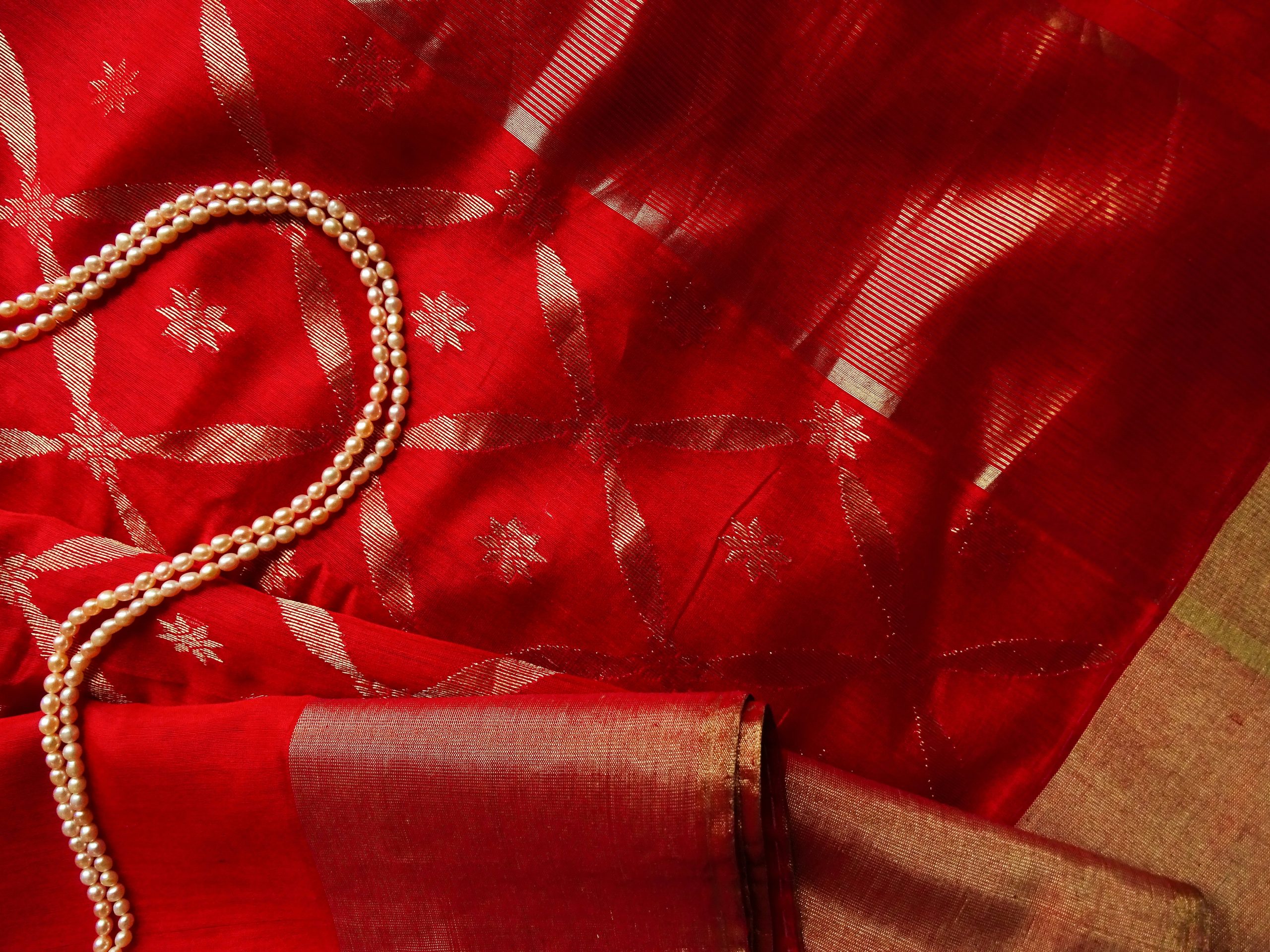
Whether you’re a Traveller or a wanderer, or a collector of things from their origin, this one’s for you. India’s textile legacy runs deep, from the finest fibres to centuries-old dyeing/printing techniques and intricate embroidery. At its heart are artisans whose mastery is not just skill, but soul. Textile lovers who believe in buying from the source, these five cities offer more than just souvenirs; they offer stories, tradition, and art woven into every thread. Many of the textiles mentioned here carry the prestigious Geographical Indication (GI) tag, meaning they’re intrinsically tied to the region they come from
Bhuj
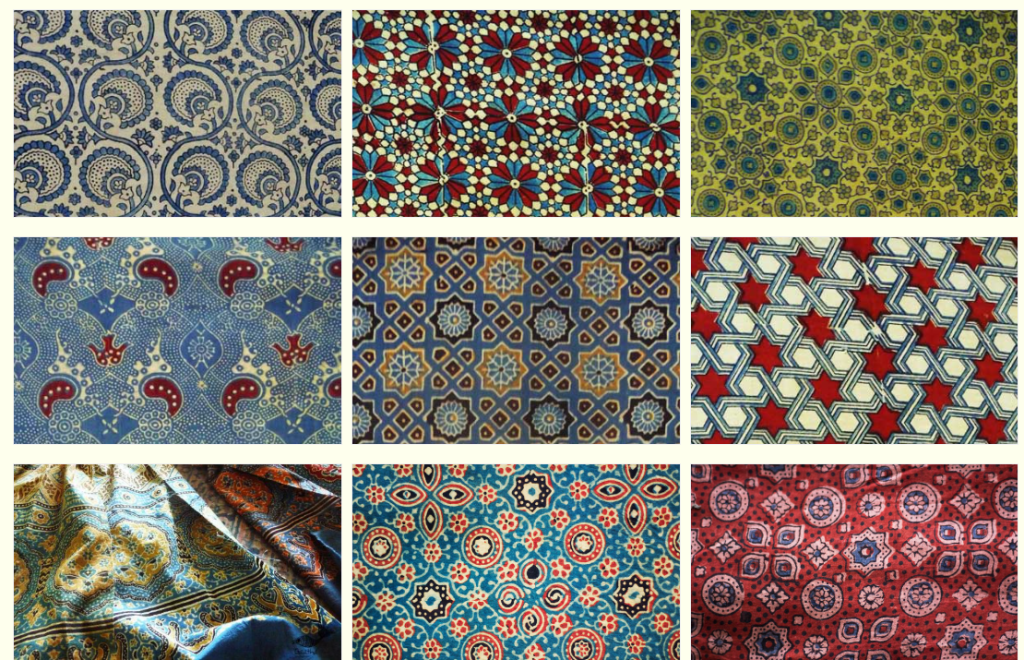
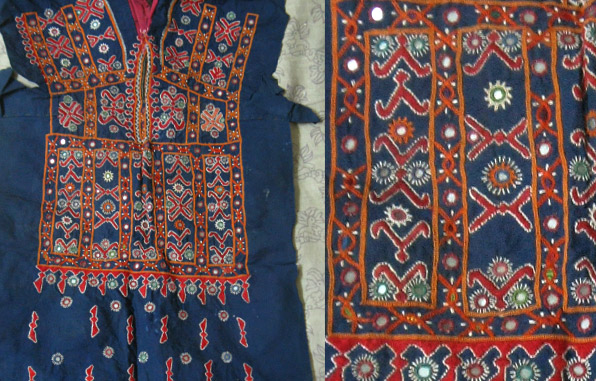
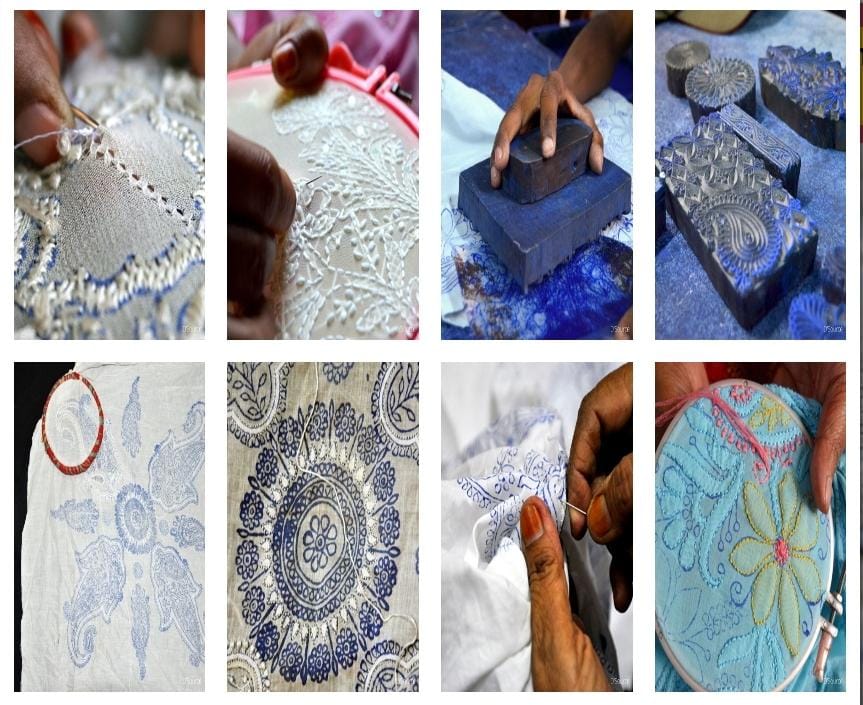
Let’s start with the city which you might not hear in every travel blog, but whose fabrics might have caught your attention, probably owning a piece or two. Bhuj, nestled in Gujarat’s Kutch region, is a living museum of textiles. Known for its 100-year-old, intricate Ajrakh block prints and diverse tribal embroidery techniques, each loop and dye mark their identity and tradition.
Navigating to Ajrakhpur, a village in the Kutch district of Gujarat, where Ajrakh is an age-old tradition where fabrics are dyed with vegetable and mineral colors, traditionally dyed using resit-dye technique. Ajrakh claims its space on and off the runway through conventional and contemporary designs. Kutch district in Bhuj is also home to a bouquet of embroideries ranging from mutwa, rabari, and ari.
Varanasi
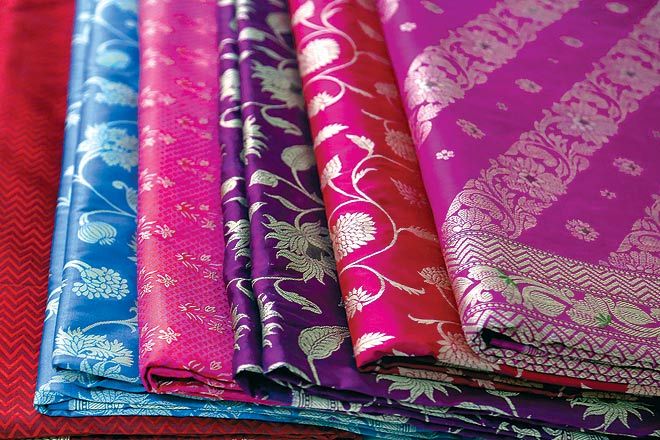
Being from South India, it’s almost a given that I own a Kanchipuram silk saree, but the other half of that silk textile checklist has always been Varanasi. I’ve long imagined walking through its streets of weaving quarters, watching zari threads in silks in the making.
The Banarasi saree, with its Mughal-inspired motifs and intricate handloom detailing, isn’t just ceremonial; its refined beauty appeals just as much to the modern, urban wearer. The zari used in the sarees was traditionally gold and silver, but now it’s mimicked using metallic gold and silver threads. The residents often suggest starting at Godowlia Market or heading into the lanes of Madanpura. The Banarasi saree doesn’t need runway spotlights or celebrity endorsements; it carries its legacy, and there’s nothing like walking the town’s alleys to truly feel its magic.
Sri Nagar
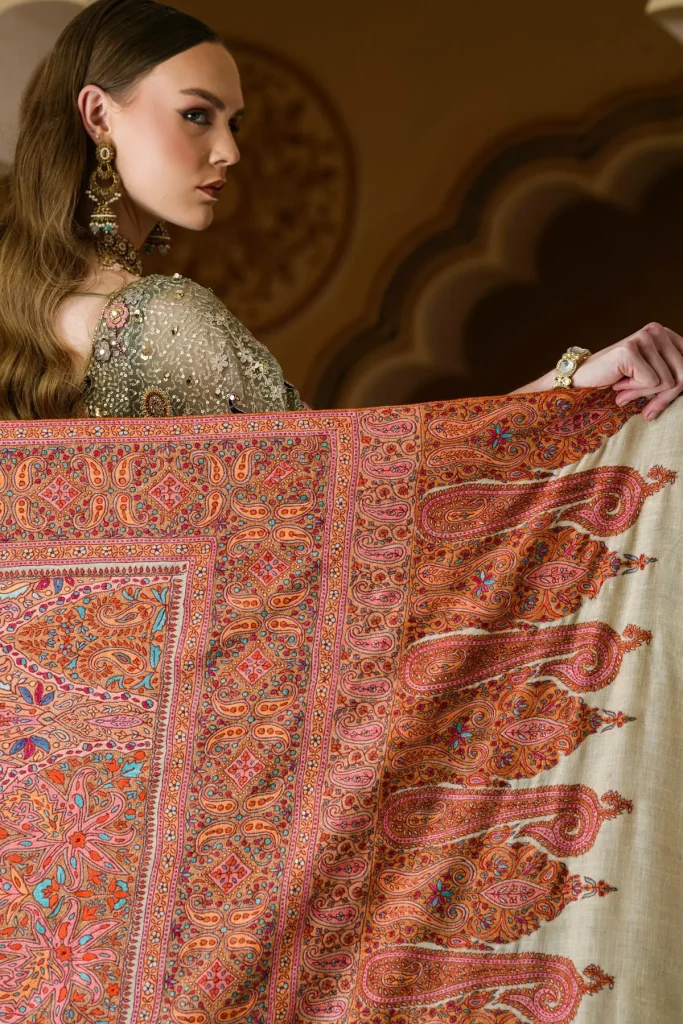
Srinagar’s beauty isn’t just in its snow-capped peaks and shikara-dotted lakes; it’s also woven into its world-class textiles. While it may not be a sari destination, the city is home to some of the country’s finest handloom crafts. The most celebrated among them is the Pashmina shawl made from the cashmere wool of Changthangi goats.
They are world-renowned for their softness, lightness, and their colorful, intrinsic motifs. Then there are intricately hand-knotted Kashmiri carpets, each a masterpiece that can take months or even years to finish. Although world-famous, many people don’t realize that these textiles, especially true Pashmina, originate from the Indian subcontinent.
Lucknow
Chikankari embroidery, having its roots in Lucknow, has found a beloved place in almost every Indian woman’s wardrobe. The subtle floral patterns, usually hand-stitched on lightweight fabrics such as georgette or cotton, have a fluid, ethereal charm. Much like the little black dress in Western fashion, a Chikankari kurta is timeless and effortlessly elegant. The pride I felt when I learned how to spot a real, handmade Chikan work. Flip the fabric and check the tiny knots and cross-stitches on the back. The locals point us to explore the Hazratganj Market for variety and an experience.
Jodhpur
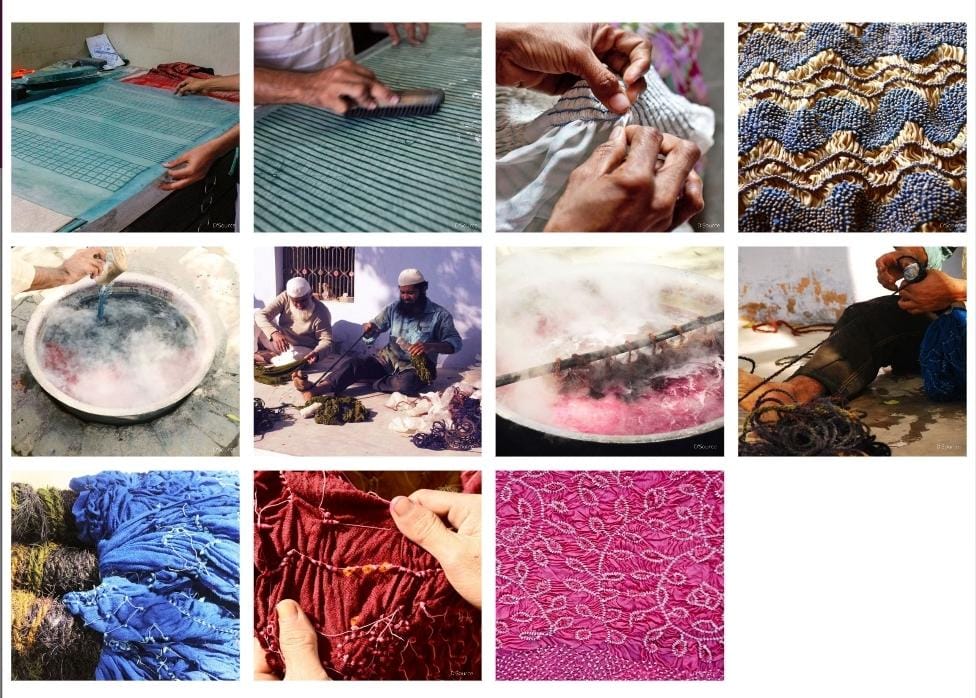
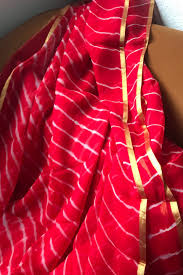
You’ve probably worn a Bandhani or Leheriya dyed top or saree at some point, maybe without even knowing the story behind it. For many of us, it’s the first textile we recognize as Indian made. It is a form of tie-dye, where fabric is tied into tiny knots before dying, creating beautiful pearl-like dots, while leheriya gives line-like patterns.
The mix of vibrant reds, pinks, yellows, greens, and blue instantly gives a signature vibrance and instantly uplifts our joyous look. In Jodhpur’s local markets, watching these fabrics dry under the sun, their patterns unfolding like a surprise, is a moment every textile lover should witness.
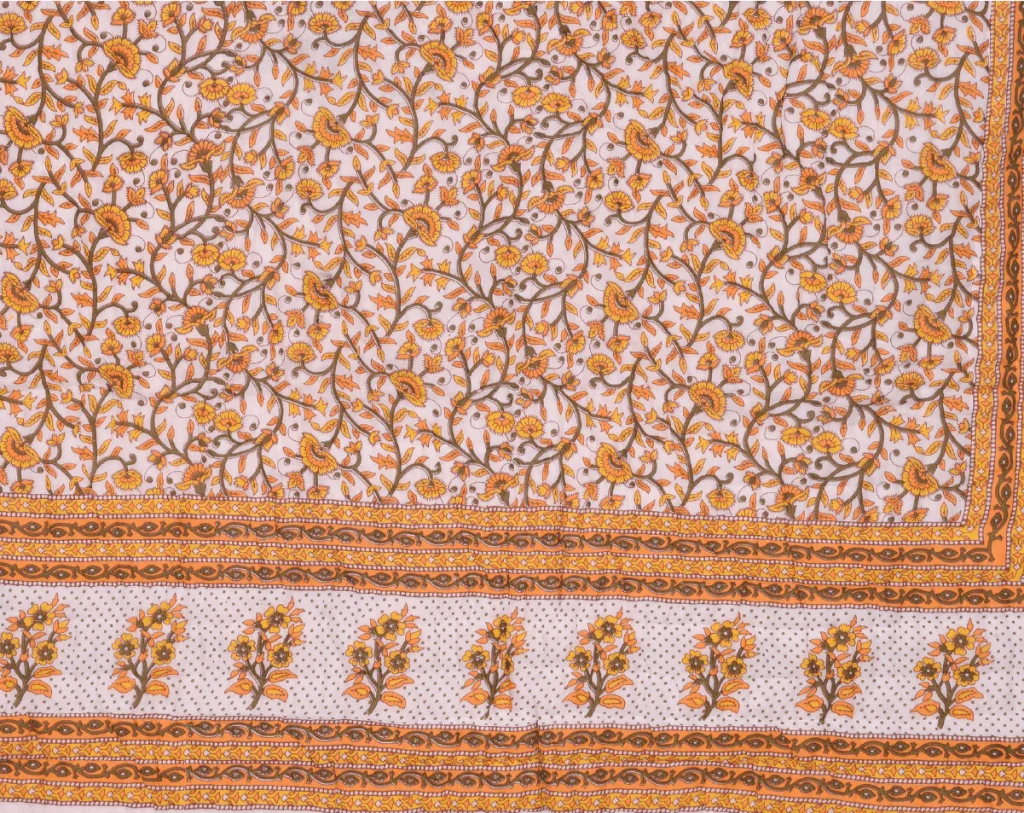
Another must-have for any textile lover’s checklist is Sanganer’s block-printed fabrics, known for their soft cotton base and fine floral patterns made by hand. Known for their delicate patterns and buttery-soft feel, Sanganer prints are quietly taking over the world of conscious luxury.
Whether you’re a collector, a lover of slow fashion, or someone who finds joy in the feel of real fabric between your fingers, these cities aren’t just stops on a map; they’re living museums of India’s textile heritage.