
When a $200,000 Dior coat debuted at Paris Fashion Week, it wasn’t just the price that stunned people; it was the silence with no context. Jonathan Anderson’s debut show at the PFW Menswear SS26, as Creative Director of Dior, introduced a knee-length coat embellished with Lucknowi Mukaish embroidery with no recognition of the Indian craft and its artisans.
No mention of India. No credit to its artisans. No acknowledgement of the embroidery style that made it special. It took 12 Indian artisans and 34 days to complete the garment, yet there was no recognition of India’s contribution.
This follows the famous row with the Italian fashion house Prada, which sold Kolhapuri juttis as sandals in the same PWF and is selling them for 1 lakh. With continuous questions raised, Prada finally acknowledges and pays respect to India. Prada has also announced that the brand will collaborate with Indian artisans to launch a separate, limited-edition footwear line.
Radhika Gupta, CEO of Edelweiss Mutual Fund, took to X and broke out to say what many were thinking. She called it out after an NDTV article on the row
This isn’t the first time she has raised her voice. Previously, Radhika was very vocal about Prada’s Kolhapuri sandal scandal.
She pointed out that Indians are knowledgeable when it comes to global brands but are unaware of the heritage of the Indian handloom. She once again calls out another luxury brand for not crediting India, its craft, and its artisans.
Radhika points out a brilliant analogy, saying, ‘Culture is soft power. Japan did it with design. Korea did it with pop culture. India must do it with craft.’ She goes on to say, ‘From sourcing destination to storytelling nation. A home of global brands. The lion has to come out. And roar.’ And she couldn’t be more right. Today, two major global fashion houses have finally acknowledged their ties to India’s rich handloom heritage.
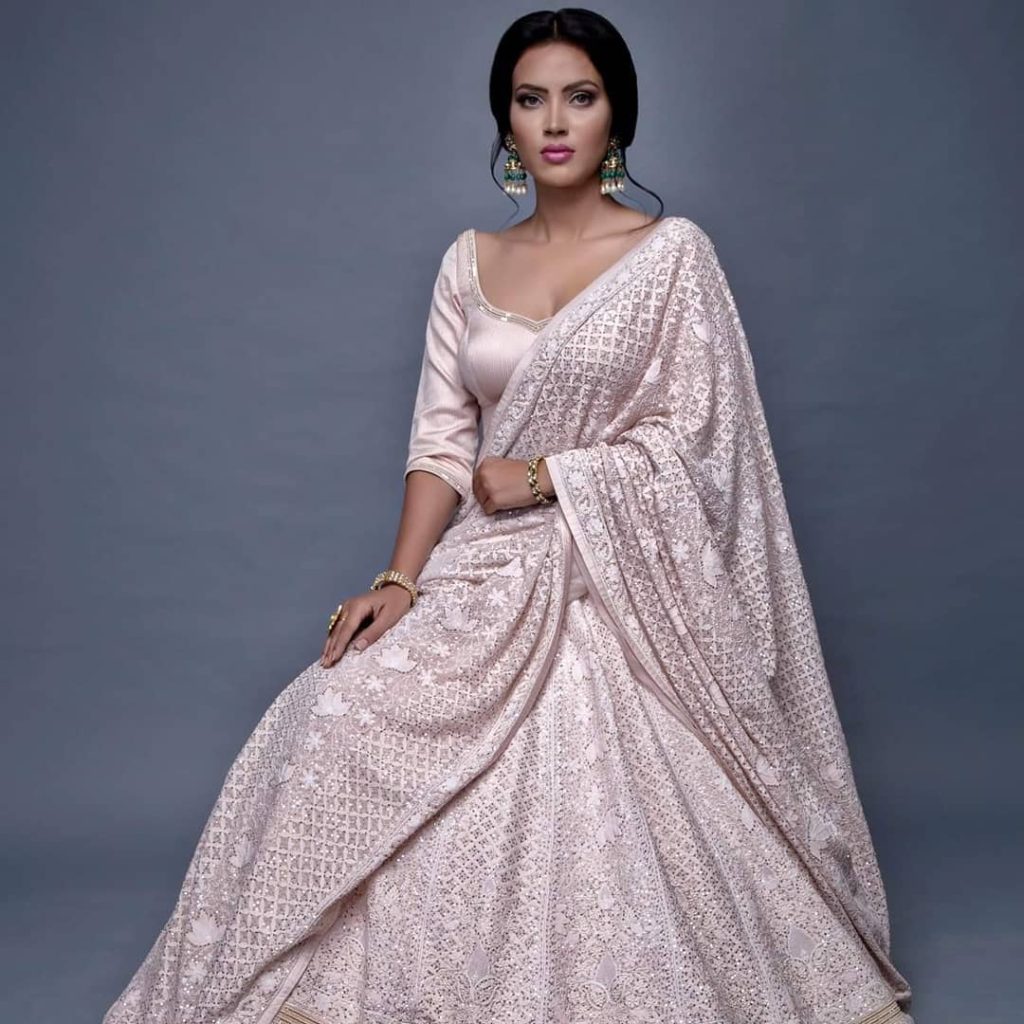
Now that you are here, what is the story behind the coat? Here’s a little context
The embroidery technique Dior used is called Mukaish. It’s from Lucknow, and it was originally used to enhance chikankari work. Over time, it evolved into its art form. Mukaish is created by twisting tiny flat wires of gold or silver into fabric. While it is famous for its dotted pattern, other techniques include geometric and floral patterns. Dior’s version adds a modern twist to their signature houndstooth pattern. It’s usually done on lightweight fabrics such as georgette, chiffon, or raw silk, too
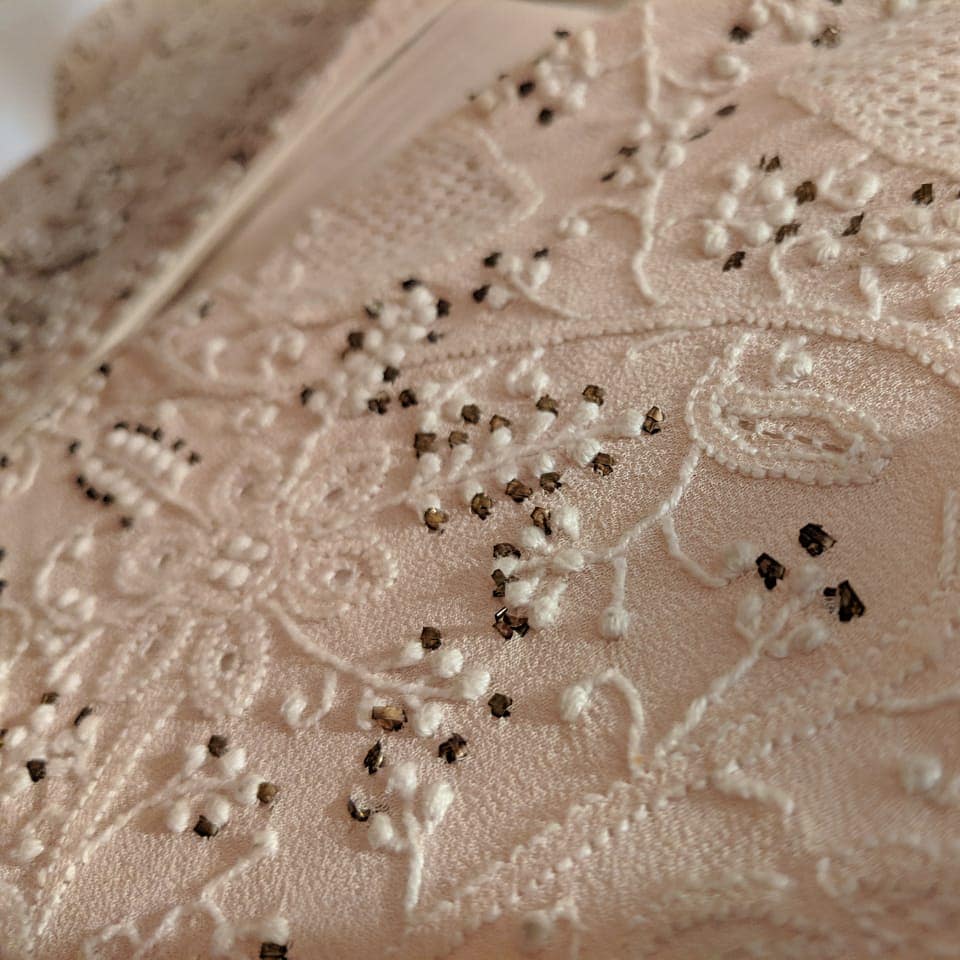
And the irony? Lucknowi Chikankari has long been a globally loved embroidery style. But somehow, it took a French luxury fashion house to bring Mukaish work, another centuries-old embroidery technique from the very same city, Lucknow, into the global spotlight. Suddenly, what was once seen as “traditional” or “dated” became “couture.” Foreign brands have mastered the art of taking something niche and turning it into luxury
India should know better by now. We are sitting on a goldmine of craft, culture, and tradition, but we often forget how to market it like the world does. It’s not just about preserving these crafts; it’s about elevating them.
Better branding, smarter global storytelling for Indian brands to be on the same pedestal as luxury global brands. Because if we don’t do it, someone else will. And some people on the internet argue that those artisans would have been paid much better than Indian brands dare to accept.
Why did Dior forget to credit? You wouldn’t eat sushi without thinking of Japan. In the same way, the moment the world sees a piece of Indian handloom, it should immediately think of India. Because without that, we’re just watching our legacy being repackaged and sold back to us, minus the name tag.