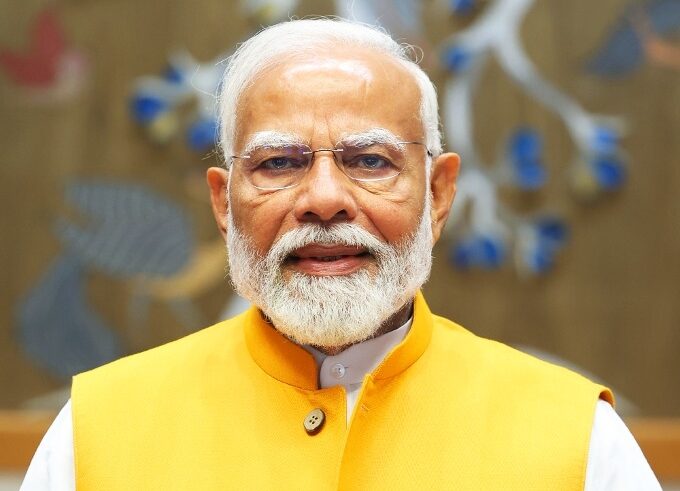
New Delhi, June 14 – Prime Minister Narendra Modi is set to embark on a significant three-nation tour from June 15 to 19, covering Cyprus, Canada, and Croatia. This high-level diplomatic mission marks his first overseas visit since Operation Sindoor, India’s recent counter-terror response to the April 22 attack in Pahalgam, Jammu and Kashmir. The tour reflects India’s broader ambition to strengthen global partnerships and expand its diplomatic outreach across Europe and North America.
First Stop: Cyprus – Reaffirming Historic Ties
Modi’s tour will begin in Cyprus on June 15, at the invitation of President Nikos Christodoulides. This will be the first visit by an Indian Prime Minister to the island nation in over two decades after Atal Bihari Vajpayee in 2002.
During his two-day visit, PM Modi will hold talks in Nicosia with President Christodoulides and address business leaders in Limassol. The discussions are expected to explore avenues in trade, maritime cooperation, and cultural exchange.
Cyprus has been a steadfast supporter of India’s global aspirations — backing India’s bid for permanent membership in the UN Security Council, supporting its stance on cross-border terrorism, and endorsing India’s position in the Nuclear Suppliers Group. In a strong gesture of solidarity, Cyprus had also condemned the recent terror attack in Pahalgam.
India, in turn, remains firmly committed to Cyprus’s sovereignty and territorial integrity, advocating a bi-zonal, bi-communal federation based on United Nations resolutions and calling for the withdrawal of foreign forces from northern Cyprus.
Canada: Strengthening Global Dialogue at the G7
On June 16, PM Modi will arrive in Kananaskis, Alberta, to attend the G7 Summit, at the invitation of newly appointed Canadian Prime Minister Mark Carney. This visit comes at a delicate time, as both nations seek to rebuild diplomatic ties that were strained in recent years.
This will be PM Modi’s sixth consecutive appearance at the G7 — a reflection of India’s increasing influence in global affairs. At the summit, he will participate in high-level discussions with G7 leaders, outreach partners, and international organisation heads on pressing issues including energy security, innovation, and emerging technologies. Special focus will be on the intersection of artificial intelligence and energy, as well as advancements in quantum technologies.
Several bilateral meetings are also planned on the sidelines of the summit, presenting opportunities to deepen cooperation on climate, trade, and global security.
Croatia: A Diplomatic First
The final leg of the Prime Minister’s tour will take him to Croatia on June 18 — the first-ever visit by an Indian Prime Minister to the Balkan nation. He will hold talks with Croatian Prime Minister Andrej Plenković and meet President Zoran Milanović.
The visit is expected to elevate India-Croatia relations to a new level, both diplomatically and economically. Croatia’s strategic location and well-connected Adriatic ports have positioned it as a potential partner in the proposed India-Middle East-Europe Economic Corridor (IMEC).
Cultural links between the two nations are also notable. Croatia’s University of Zagreb has long been a centre for Indology, and Indian cultural influence — especially through the activities of ISKCON — has been growing.
Expanding India’s Global Footprint
Prime Minister Modi’s tour reflects India’s strategic vision of forging deeper partnerships with key global players and regional allies. The trip underscores a multipronged foreign policy approach focused on economic diplomacy, cultural exchange, security cooperation, and technological collaboration.
As India seeks to enhance its stature on the world stage, this visit will not only build on existing relationships but also open new avenues for bilateral and multilateral engagement.