In a world that races on fast fashion and instant trends, Japanese garment history stands still serene, powerful, and quietly revolutionary. It doesn’t shout; it whispers in folds, pleats, raw hems, and poetic silhouettes. And yet, its echo resonates across the globe, influencing ateliers from Paris to New York to Milan. Let’s unpick the seams and unravel the centuries-old craftsmanship that shaped not just garments, but philosophies, identities, and the future of design.
The Philosophy of Form: Where Simplicity Speaks Louder than Excess
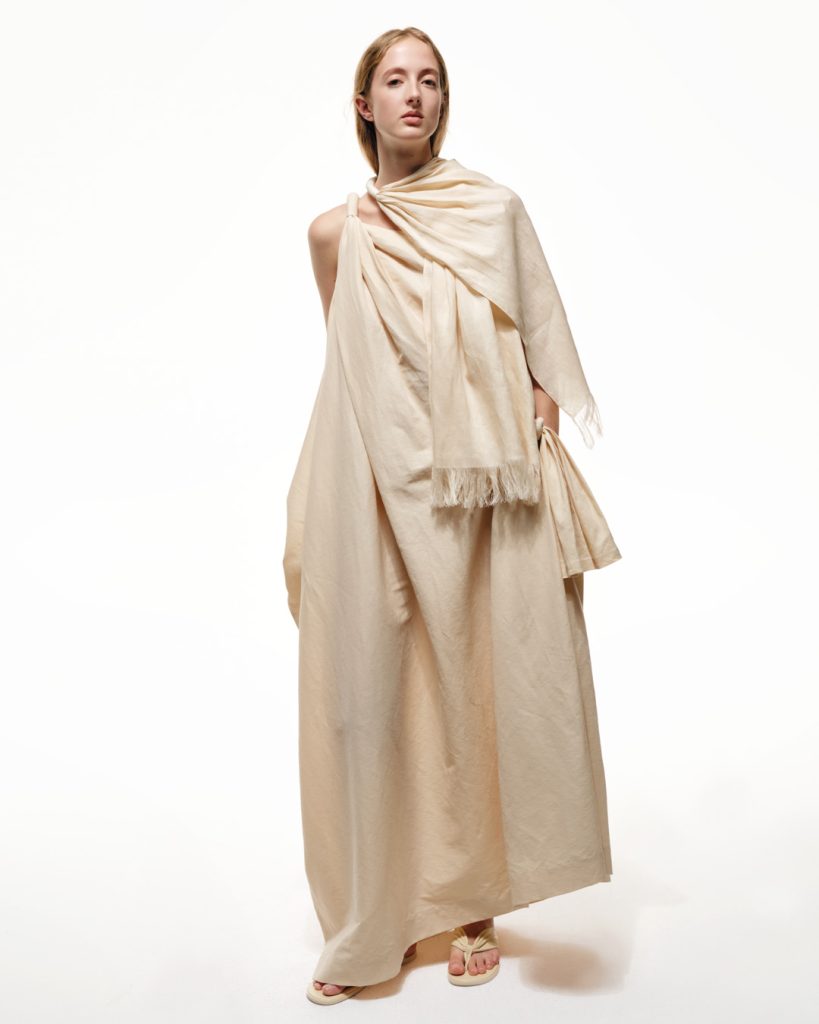
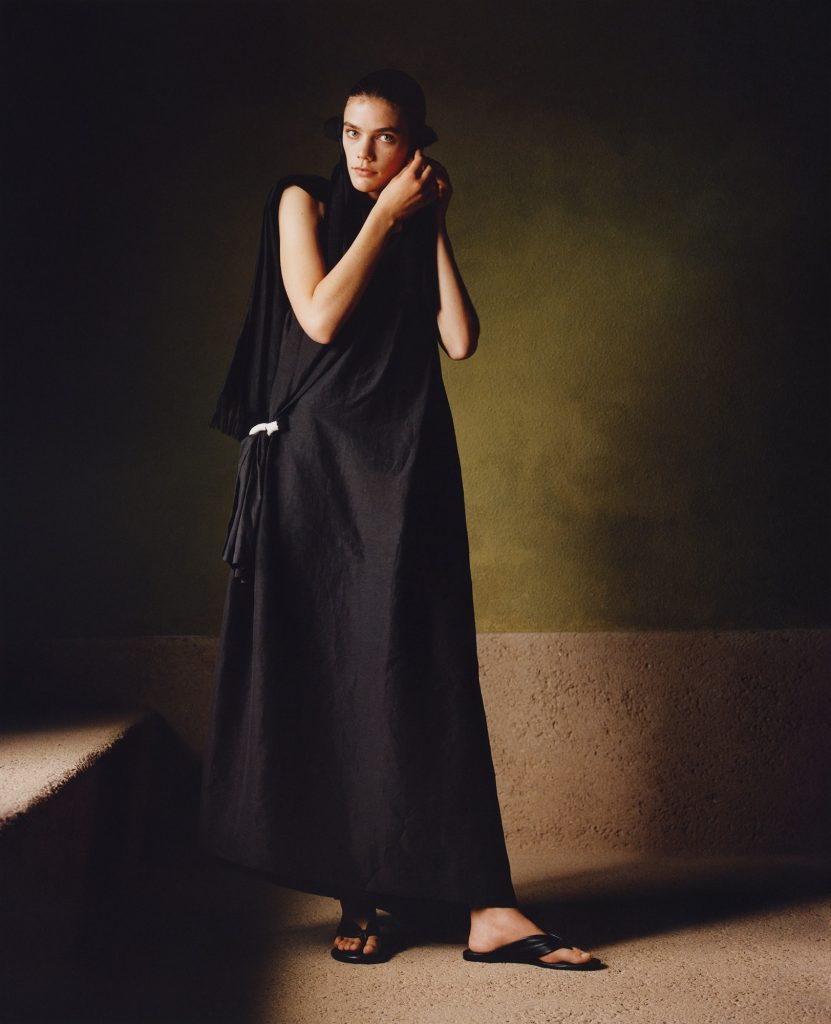
Japanese design is not just about making clothes. It’s about making meaning. Rooted deeply in philosophies like Wabi-Sabi (beauty in imperfection), Ma (the space between), and Shibui (subtle beauty), Japanese garments aren’t built to attract attention, they’re created to invite reflection.
- Unlike Western fashion, which often glorifies the silhouette of the body, traditional Japanese garments like the kimono flatten the form, encouraging neutrality and humility.
- The lack of darts, cuts, or shaping in ancient garments tells a cultural story of restraint and balance, a sartorial silence that ironically speaks volumes.
Shape & Silhouette: A Geometry of Grace
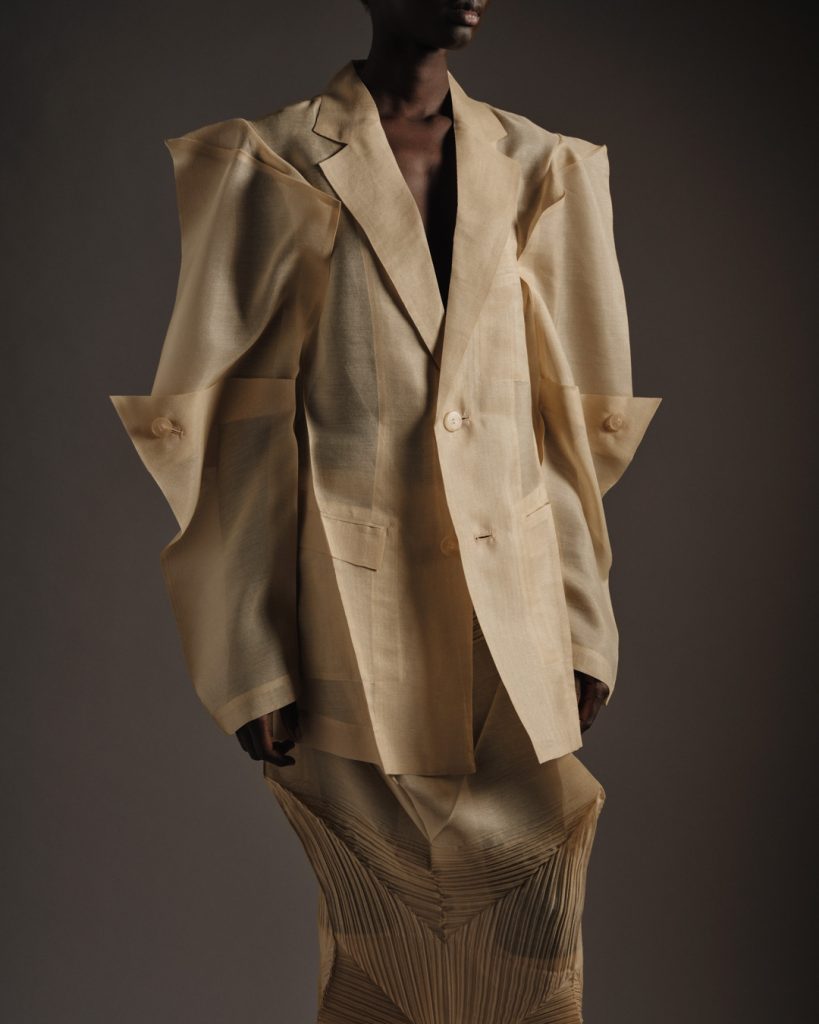
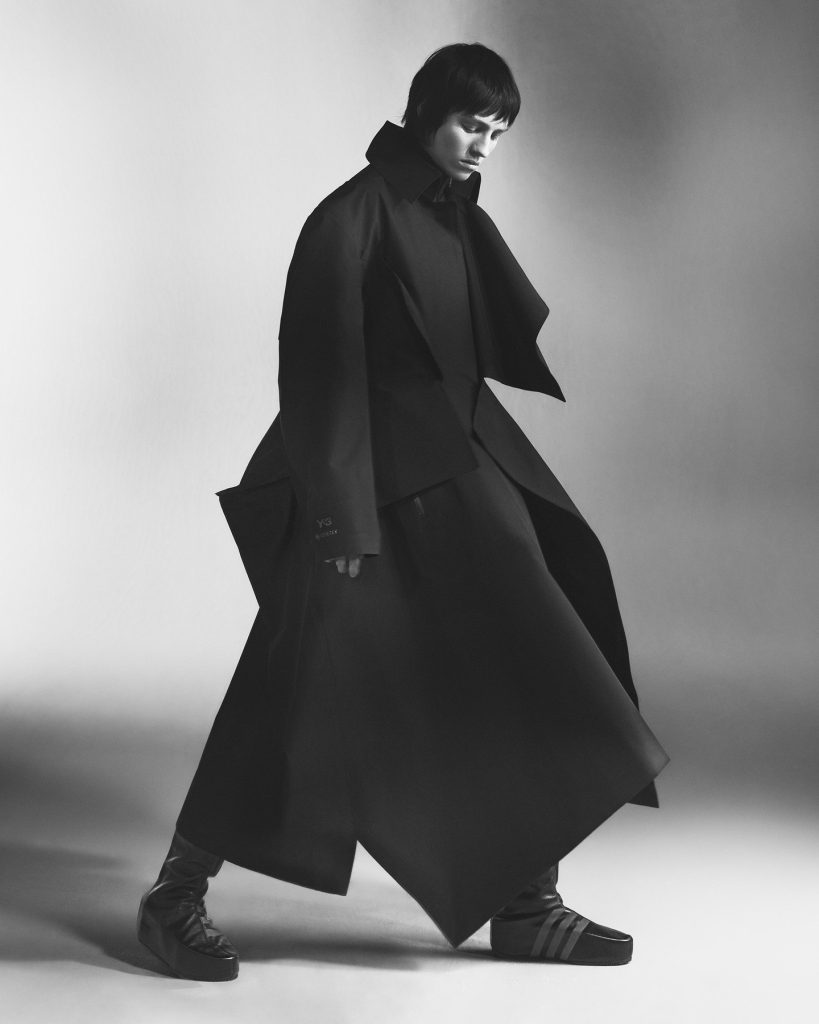
In Japanese fashion, form follows philosophy, not the other way around.
- Rectangular pattern-cutting in kimonos inspired minimalist tailoring across global runways.
- Loose, fluid silhouettes in Yohji Yamamoto’s designs or Issey Miyake’s pleats are modern-day echoes of the same design language: freedom, comfort, and conceptual structure.
- Designers globally now chase “intentional oversized”, “structural minimalism”, and “deconstructed tailoring”, all of which draw inspiration from Japan’s ancient geometries.
The Devotion to Detail: Stitch by Soul
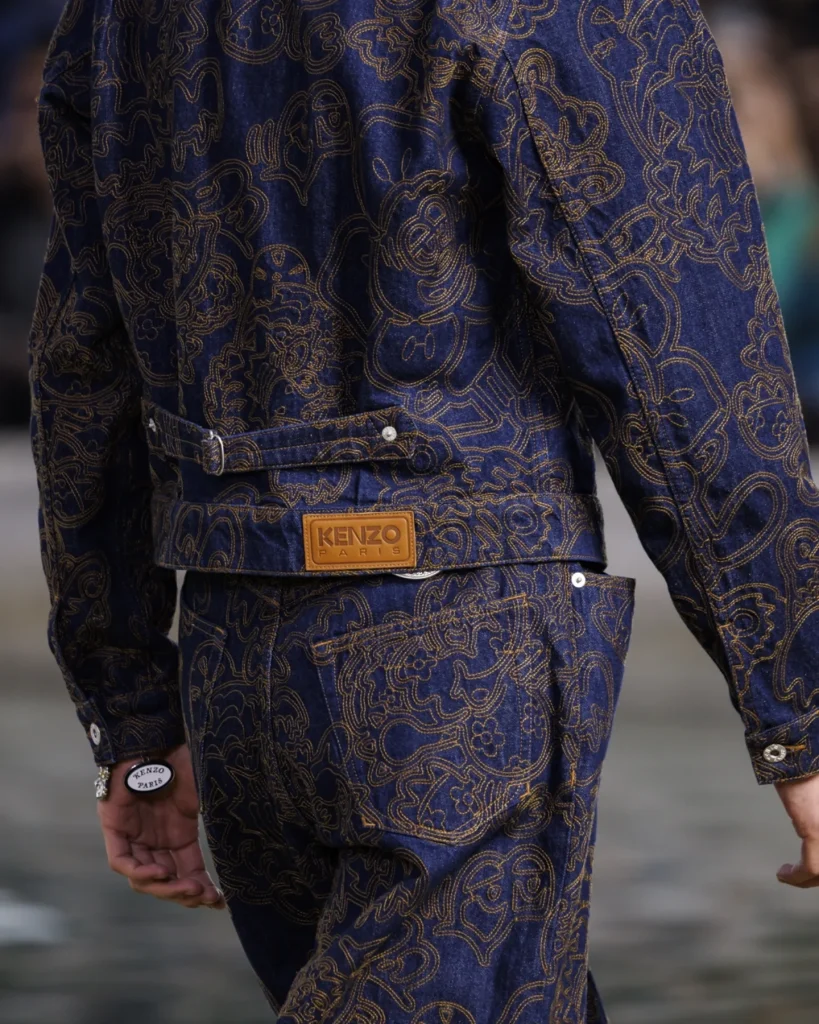
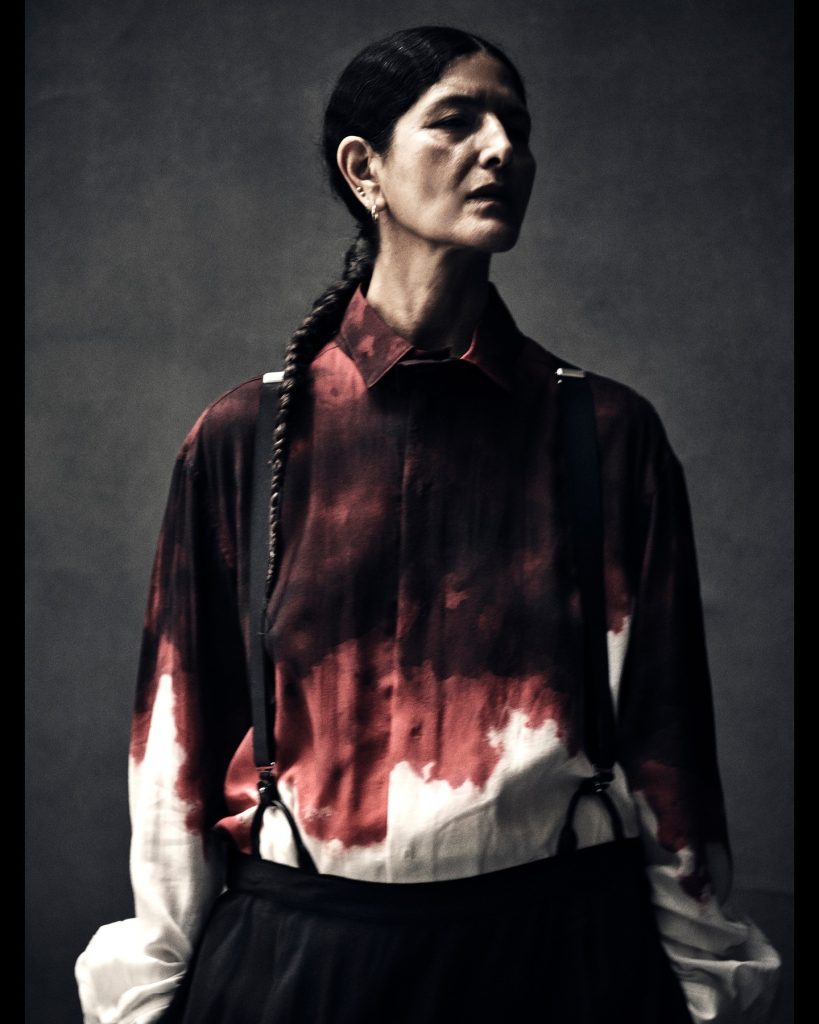
Japan doesn’t just make garments; it crafts poetry with needle and thread.
- The obsession with technique is almost sacred, take Sashiko stitching, originally born out of practicality for reinforcing garments, now elevated into a visual art form seen in contemporary denim and outerwear.
- Techniques like Shibori (tie-dyeing), Katazome (resist dyeing with stencils), and Kasuri (ikat weaving) are centuries-old but still revered and reinterpreted globally.
Design houses around the world echo this devotion from hand-finished hems in haute couture to patchwork motifs in luxury streetwear.
Fabric First: Japan’s Textile Temples
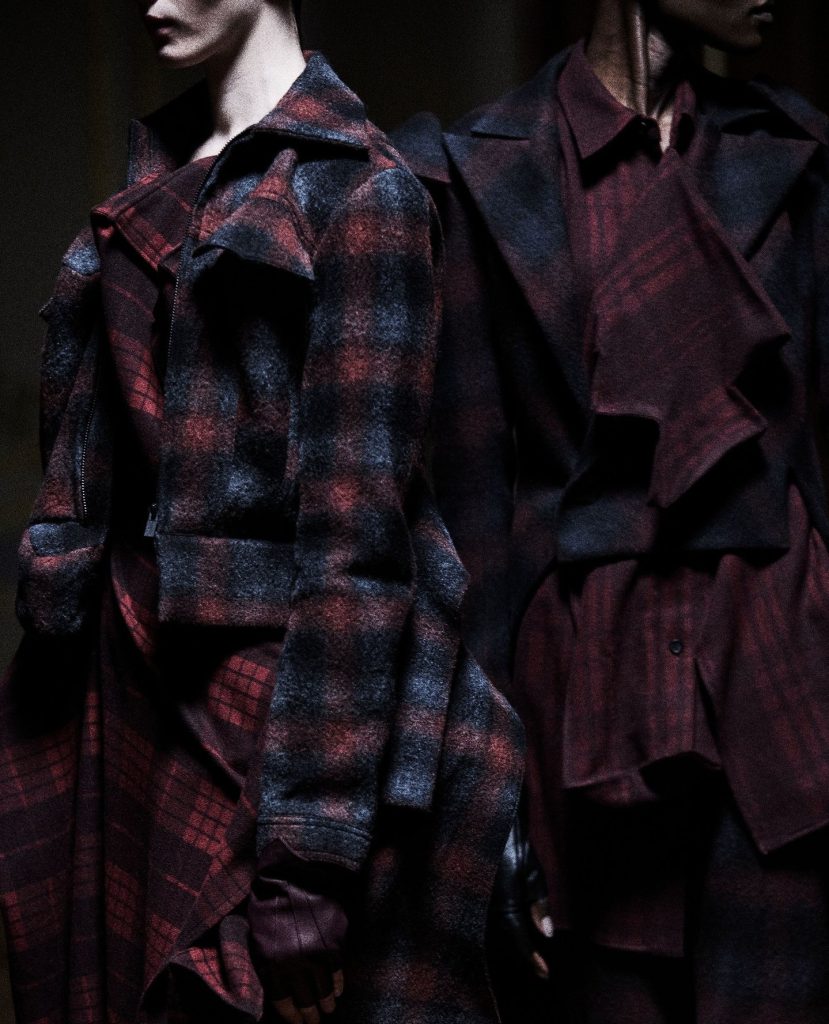

To understand Japanese design, you must understand its reverence for textiles. Textiles aren’t chosen to make the garment; they are the garment.
- Banshu-ori, Kurume Kasuri, Kyo-yuzen silks, and Okayama denim. The country is home to centuries-old mills that produce some of the finest, most precise, and deeply philosophical fabrics in the world.
- Even in modern fashion, fabric experimentation continues to lead innovation, case in point: Issey Miyake’s “A-POC” (A Piece of Cloth), which uses computer-programmed knitting to create garments in one continuous piece.
Global Ripple Effect: When the World Wears Japanese Thoughts
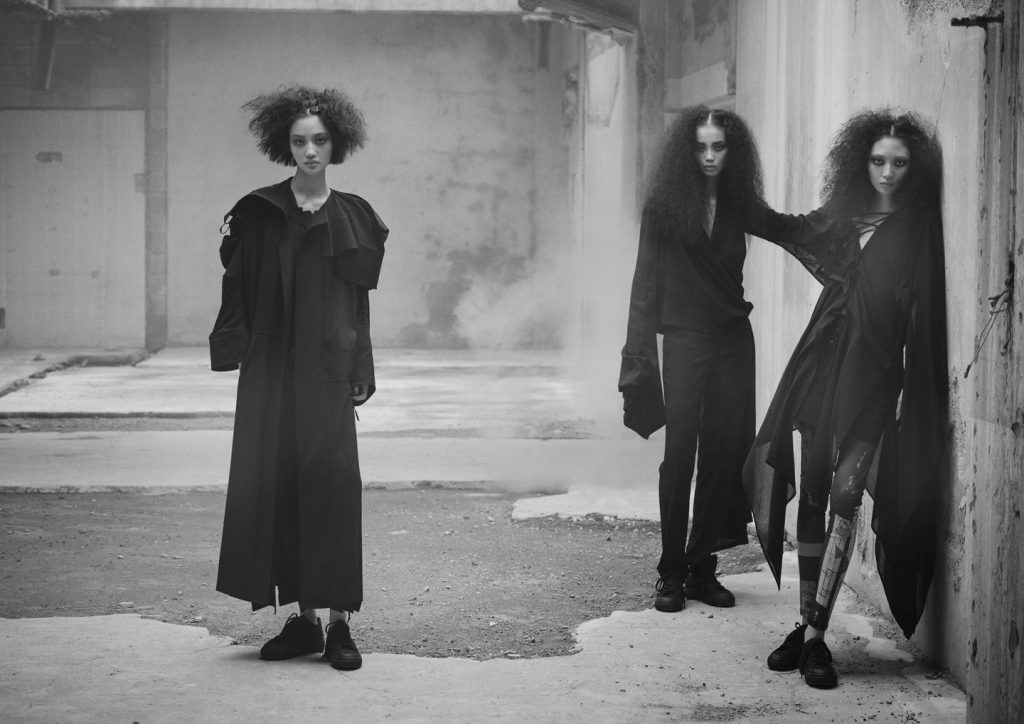
Japanese fashion doesn’t try to “follow” trends; it builds new timelines.
- Rei Kawakubo (Comme des Garçons) challenged the very notion of beauty with her torn, asymmetrical, and anti-fit creations. She created not just clothes but philosophical questions.
- Yohji Yamamoto introduced the West to the power of black not as an absence of colour, but as a presence of depth. His designs were whispers in a world of noise.
- Kenzo Takada, Issey Miyake, and newer names like Chitose Abe (Sacai) and Kei Ninomiya (Noir) continue to prove that Japanese fashion is not a trend; it’s a tectonic shift.
Even luxury brands like Louis Vuitton and Dior have collaborated with Japanese artists and techniques from Murakami prints to origami-inspired silhouettes, reinforcing how Japan silently shapes the style language of the West.
Modern Manifestations: Streetwear to Haute Zen
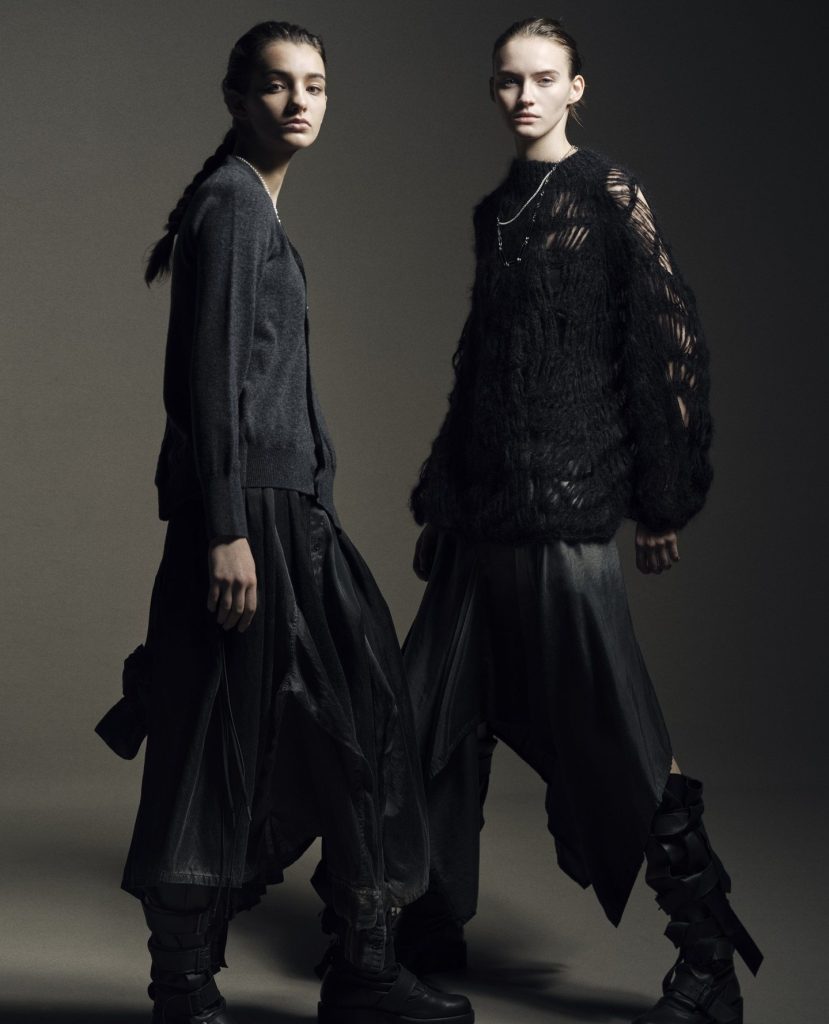
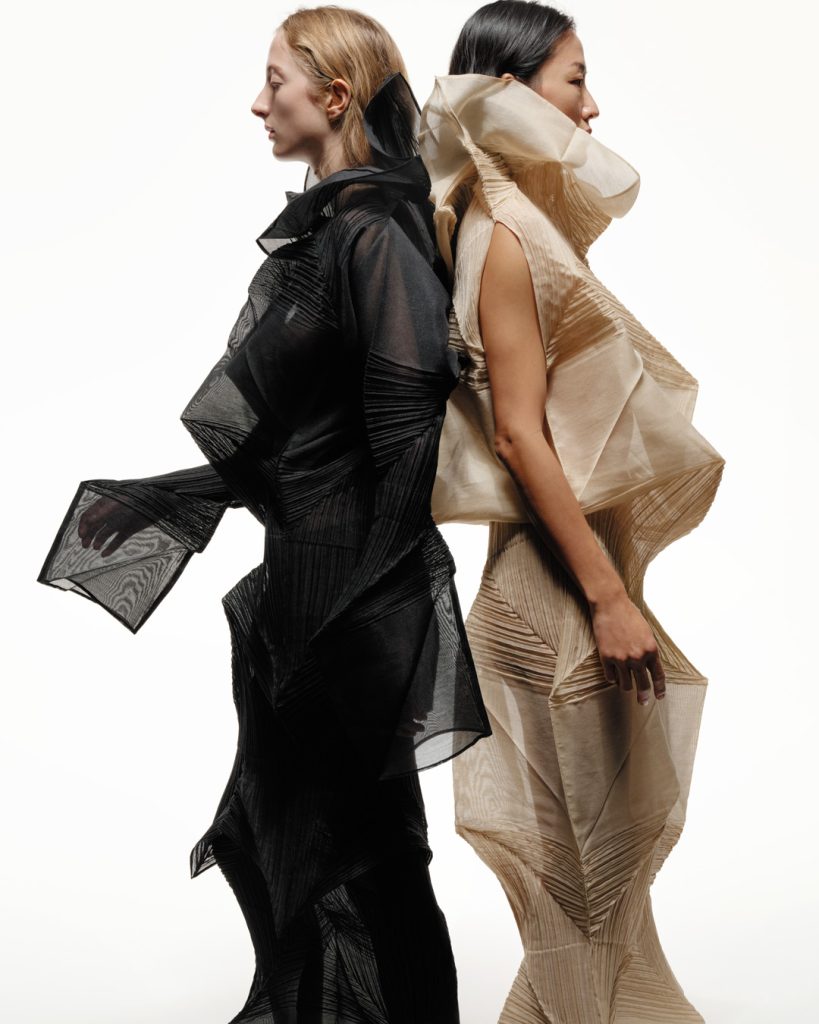
Today, Japanese influence is seen everywhere from avant-garde fashion weeks to the everyday streetwear scene.
- Brands like Undercover (Jun Takahashi) and Neighbourhood combine punk, rebellion, and traditional craft in ways that keep youth culture grounded in heritage.
- Labels like Visvim and Kapital romanticise rugged Americana, but reengineer it through a Japanese soul distressed denim, boro patchwork, and handcrafted leather, all whispering a story of process over product.
Why the World Keeps Looking East
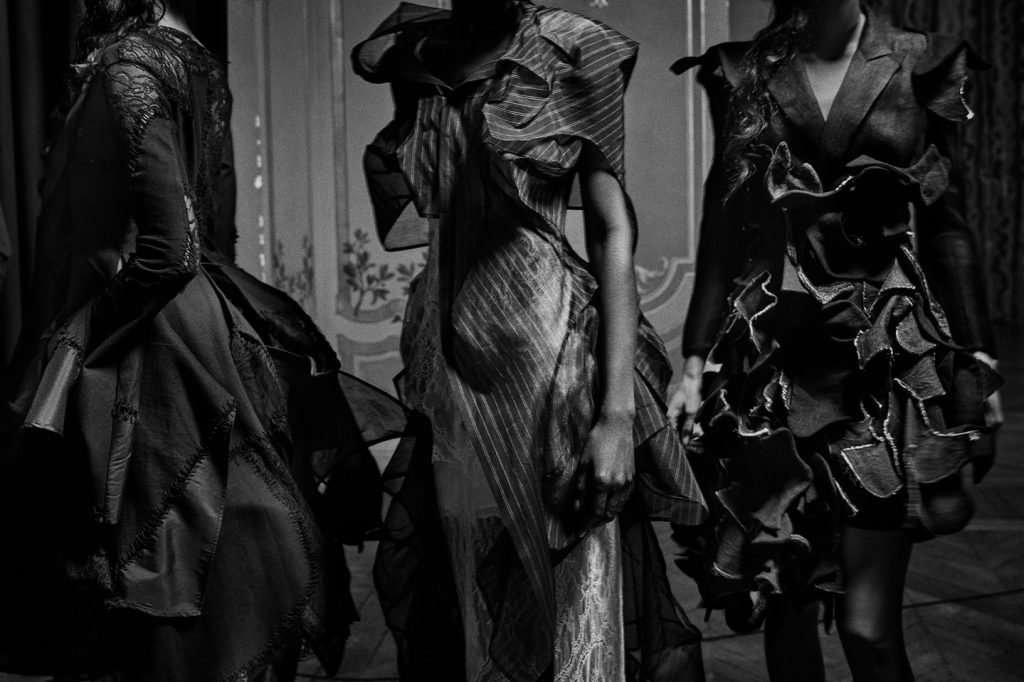
Because Japanese design isn’t seasonal, it’s eternal.
In a world tired of noise, Japan offers silence. In a market chasing relevance, Japan offers reverence. Its impact isn’t just seen in what people wear but in how designers think. It teaches the value of restraint, of patience, of leaving space for the wearer to complete the garment.
The Fabric of the Future is Rooted in the Past
As the fashion world moves toward sustainability, intentionality, and emotional dressing, Japanese design isn’t just influencing; it’s leading. Through an ancient blueprint of simplicity, discipline, and soul, Japan has woven its spirit into the very DNA of modern fashion.
Because in the silence between two stitches, Japan told the world a story, and the world is still listening.