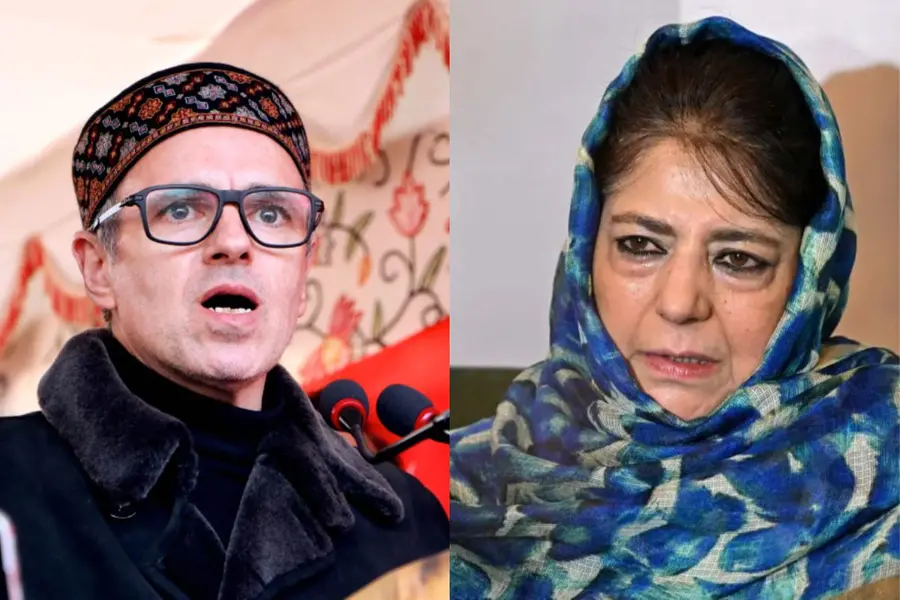
At a time when India and Pakistan are trying to ease tensions, a war of words has broken out between two top political leaders in Jammu and Kashmir—Omar Abdullah and Mehbooba Mufti. The trigger? A decades-old water project called the Tulbul Navigation Project, and the recent suspension of the Indus Waters Treaty.
But what’s going on? Let’s break it down.
What is the Tulbul Navigation Project?
This project, started back in 1987, was meant to regulate water flow from the Jhelum River into Wular Lake in North Kashmir. The goal was to improve navigation (think boat transport) and enhance hydropower generation downstream. But in 2007, work was paused after Pakistan objected, claiming the project violated the Indus Waters Treaty—a water-sharing agreement between the two countries.
What is the Indus Waters Treaty (IWT)?
Signed in 1960, the treaty divides six rivers between India and Pakistan:
- India controls the eastern rivers: Sutlej, Beas, and Ravi.
- Pakistan gets most of the western rivers: Indus, Jhelum, and Chenab.
India is allowed limited use of the western rivers for hydropower and irrigation, but not for storing large amounts of water.
The treaty has survived wars and diplomatic crises, but that changed recently.
The Latest Twist: Suspension of the Treaty
After a deadly terror attack in Pahalgam in April, India responded militarily with Operation Sindoor. Tensions flared again, and India announced it was suspending the Indus Waters Treaty. That’s when Omar Abdullah, the current Chief Minister, called for reviving the Tulbul Project, saying the suspension gives India the space to move forward.
Political Fight: Omar vs Mehbooba
Mehbooba Mufti, former Chief Minister and PDP leader, was quick to oppose the idea. She called Omar’s statement:
“Irresponsible and dangerously provocative.”
She argued that such moves could spark more conflict, especially when Kashmir has already suffered from war, violence, and unrest. Omar Abdullah fired back, accusing her of trying to please Pakistan and using the moment for cheap publicity. He called the treaty a historic betrayal of Kashmir’s rights over its water.
The spat quickly got personal, with both leaders digging into each other’s political past and flipping old quotes to prove inconsistency.
Why It Matters
Water isn’t just a basic need—it’s also a powerful political tool. When countries fight over rivers, it risks turning essential resources into weapons. Kashmir, sitting at the heart of this water-sharing deal, often ends up paying the price, whether through stalled development or being caught in the crossfire of national politics.
Omar believes reviving Tulbul could bring benefits like power and navigation to locals. Mehbooba believes it’s not the right time, warning it could trigger new hostilities.
The Bigger Picture
This isn’t just about water. It’s about:
- Who really speaks for Kashmiris?
- Should peace be prioritized over progress?
- Is now the time to revisit decades-old agreements?
As India and Pakistan inch toward peace after the recent ceasefire, the Tulbul Project has become much more than a construction plan—it’s now a symbol of power, politics, and priorities.
Final Thought
Whether you side with Omar or Mehbooba, one thing is clear: ordinary people deserve clarity, not confusion. Water is life, not a weapon. And the real question is—how can we use it to build bridges, not break them?