There has been a great deal of conversation surrounding Women’s Rights on the Internet. Women of the World have been fighting to change the androcentric nature of society for years, only now do we get to witness and be a part of every milestone achieved by Women in the global struggle.
Nepal’s Supreme Court, after nearly four years of legal proceedings, has ruled in favor of removing the tax on sanitary pads. On this Wednesday, a bench comprising justices Manoj Kumar Sharma and Mahesh Sharma Poudel issued the above-cited decision.
On the 10th of August 2021, two law students from Nepal, Shreena Nepal and Abhyuday Bhetwal, petitioned the court by filing a writ and contributed to the movement by advocating for the removal of tax on menstrual products. They both petitioned the court not only to eliminate the tax on sanitary pads but also to classify these items as essential goods rather than luxury items.

It took four years of legal battle, but the Supreme Court of Nepal made a landmark judgment, ruling in favor of removing all taxes, including the VAT on sanitary pads.
The President of the Nepal Sanitary and Diaper Association, Dol Raj Adhikari, said, the full text of the verdict has yet to be released, but once the decision is enforced, it will help them to promote domestic production, lower the prices of sanitary pads, and potentially increase the exports.
Despite the significance of this change, it also calls for awareness and an understanding of the circumstances concerning the accessibility and quality of life that Women in India and across the world often face.
Pink Tax, and Period Poverty
The tax imposed on menstrual products, often referred to as the “Tampon Tax,” is one of the components that collectively constitute the Pink Tax. According to some studies, it can soar as high as 13%.
The “Pink Tax” is not a formal tax. It is a “hidden tax” that denotes the discrepancy between the products marketed towards men and women. This means women often have to pay more for essentially the same products just because they are ‘meant for women.’ One of the most common examples is razors.
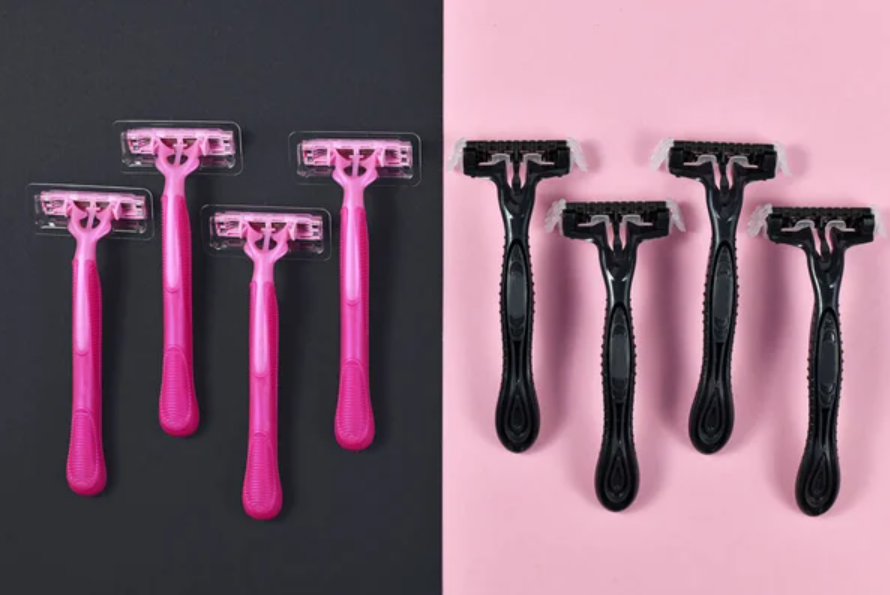
According to a study published in the International Journal of Women’s Dermatology, Women’s razors were priced significantly higher than men’s. The only difference? Colour. Women pay more for gender-normative-colour-based packaging.
The Pink tax puts female consumers at an unfair disadvantage, especially in financial terms. Coupled with the pre-existing gender pay gap, this practice takes away purchasing power from the hands of women. Not to miss the reinforcement of harmful gender stereotypes.
Let’s circle back to the tampon/period tax. Initially, menstrual products all over the world were subjected to taxation just like other commodities of use. Activism around menstrual equity identifies how it is problematic. An argument was raised- the tax on period products unfairly burdens women. Menstrual hygiene cannot be a matter of choice. So, these products must be classified as essential goods and made more affordable. Otherwise, we are limiting or even snatching women’s access to menstrual hygiene and management.
In 2004, Kenya became the first country to rid itself of the tampon tax. Other countries gradually followed. In 2017, the Indian government classified sanitary napkins as non-essential luxury items under the Goods and Services Tax (GST). This subjected them to a 12% tax rate. Widespread outrage and activism followed. Thus, sanitary napkins were abolished from taxes such as GST in 2018.
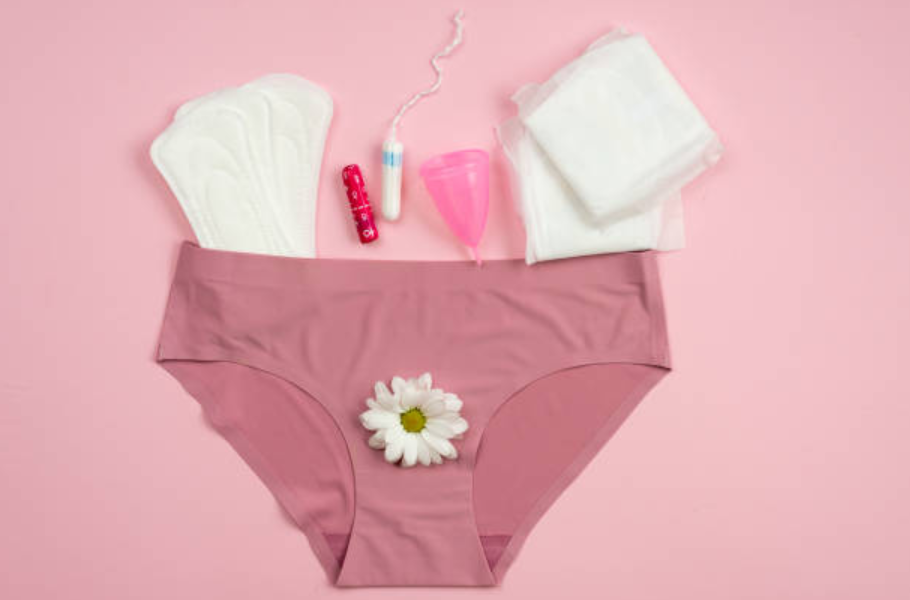
There are also countries like Tanzania and Nicaragua, which, despite having previously axed the period tax, reintroduced it. Some states, including several European ones, have reduced VAT on menstrual products, while others have not worked on it at all. There are two plausible causes: for some countries, the tax largely constitutes their GDP, while for others, menstruation is still a topic of taboo and doesn’t receive much attention.
Awareness and Implications
The Supreme Court ruling in Nepal marks a watershed moment in the struggle for women’s rights. It also reminds us how awareness is the first step towards change and empowerment. It is also equally necessary to educate female consumers on the Pink Tax so that they can make informed purchases and avoid being commodified for being women.