A tragic incident occurred on the night of 29 April, 1999 at a high-profile party at the Tamarind Court Restaurant in Delhi. The incident sent major shockwaves across the nation. A 34-year-old, young model named Jessica Lal was working as a celebrity barmaid at the Tamarind Restaurant, when she was shot dead by Manu Sharma, who was the son of a very powerful politician.
Detailed Information:
The victim faced death only because she refused to serve liquor past midnight. Initially, this case was mired in systemic failures, and turned out to be a landmark in the nation’s legal history not because of the crime, but for how public outrage, amplified by the media’s activism and a collective action, completely overturned an unjust acquittal and secured justice.
This murder case stands as a testament to the power of public pressure in challenging the entrenched power dynamics and reshaping the judicial outcomes.
About Initial Acquittal:
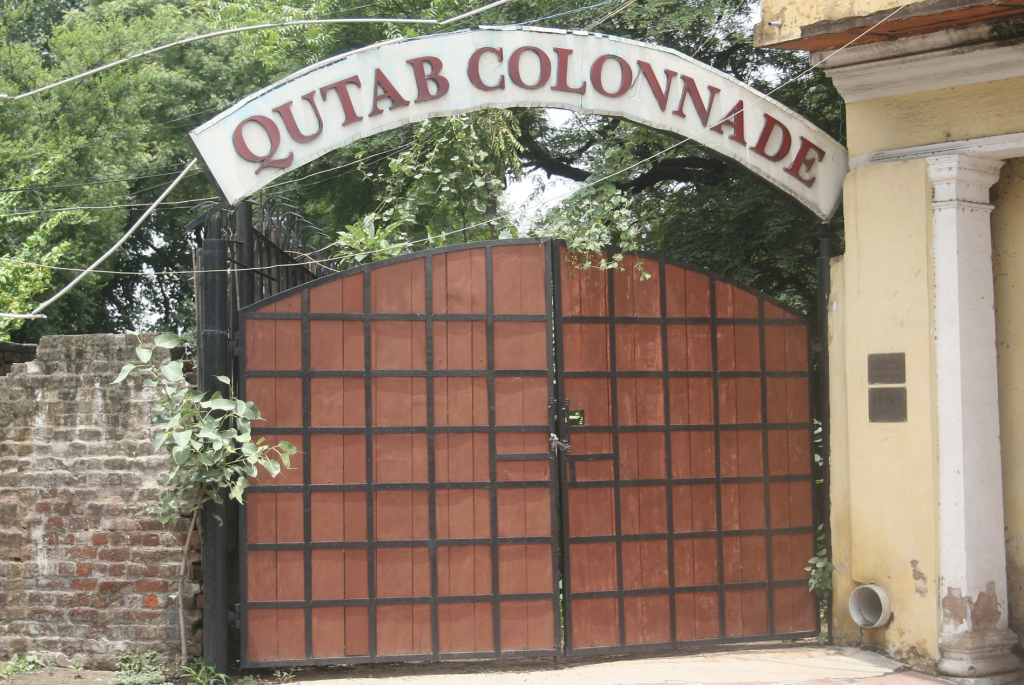
A lavish farewell party was thrown by socialite Bina Ramani at Qutub Colonnade in Mehrauli, Delhi. It was during this party that the tragic incident took place. The event was attended by Delhi’s elite, along with some actors, bureaucrats, and businessmen. Jessica Lal was working as a celebrity barmaid, accompanied by actor Shayan Munshi. Both were serving drinks at an unlicensed bar.
It was around 2 AM, when Manu Sharma, along with his friends Vikas Yadav, Alok Khanna, and Amardeep Singh Gill, asked for some liquor (whiskey) despite the bar being closed. Jessica was present at the moment, and refused to serve anymore liquor, but only soft drinks. This left Manu totally angered, and in a drunken rage, he pulled out his 0.22 caliber pistol and shot 2 bullets.
The bullet had hit the ceiling as an intimidatory act, while the second bullet had hit Jessica near her left eye, which led to her immediate death. Manu Sharma and his friends escaped from the crime scene immediately.
An FIR was lodged at Mehrauli Police Station by actor Shayan Munshi, who was serving drinks with Jessica, before her death. A black color Safari car that was linked to the accused, Manu Sharma, was seized by the police. Manu was hiding for quite a while, but surrendered himself on 6 May, 1999.
He was booked under IPC Section 302 (attempt to murder), Section 120-B (criminal conspiracy), and Section 201 (destruction of evidence), and violations under the Arms Act.
The investigation was however rippled with lapses. Police was not able to recover the murder weapon. According to the forensic analysis, the two cartridges which were fired at the bar belonged to different weapons, and this weakened the prosecution’s case.
After a 7 year long trial, the Additional Sessions Judge S.L. Bhayana acquitted the accused along with 8 others in February, 2006 due to insufficient evidence. The court had kept a note of the police’s failure in recovering the murder weapon and prove that the shots came from a single gun.
Shayan Munshi, who had lodged the FIR in this case turned hostile and retracted from the initial statement, along with 32 other eyewitnesses. Actor Munshi made a claim in court that he did not see Manu Sharma firing at Jessica, and added that he did not understand Hindi language. Shockingly, Munshi disowned the complaint.
It seemed as a complete sabotaging of the case as the witnesses were tampered and a two-weapon theory came in, and this was surely indicated a deliberate attempt, influenced by the accused’s powerful family links.
The accused’s father Venod Sharma was a Congress Leader in Haryana and even a former Union Minister which adds a layer of a political clout to the defense.
The initial acquittal sparked major outrage. Headlines like “No One Killed Jessica” started coming in, which captured the verdict’s absurdity. This implied that justice was subverted by influence and wealth.
Know About The Role Of Media & Public Outrage:
The tragic case marked a turning point in the nation’s media landscape as it showed how the media works as a formidable force for justice. The flaws in the case trials were exposed by news outlets, including NDTV and Tehelka, through campaigns. The sting operations of the Tehelka channel revealed that the witnesses were bribed or threatened to retract the testimonies made by them.
The accused, Manu Sharma, confessed to his crime while he was in police custody. The leaked audio recording of his confession sparked public anger. Popular news channel, NDTV, had launched a campaign named “Justice for Jessica”, airing the prime-time debates and public forums that helped in keeping the case in the spotlight.
College students, activists and common people organised SMS and email campaigns in demand for justice and retrial in the Jessica Lal murder case by sending over 2 lakh messages. Candlelight vigils in the nation’s capital at the India Gate were led by prominent people including, Prabhloch Singh of the Middle Finger Protests which started becoming a symbol of grief and defiance.
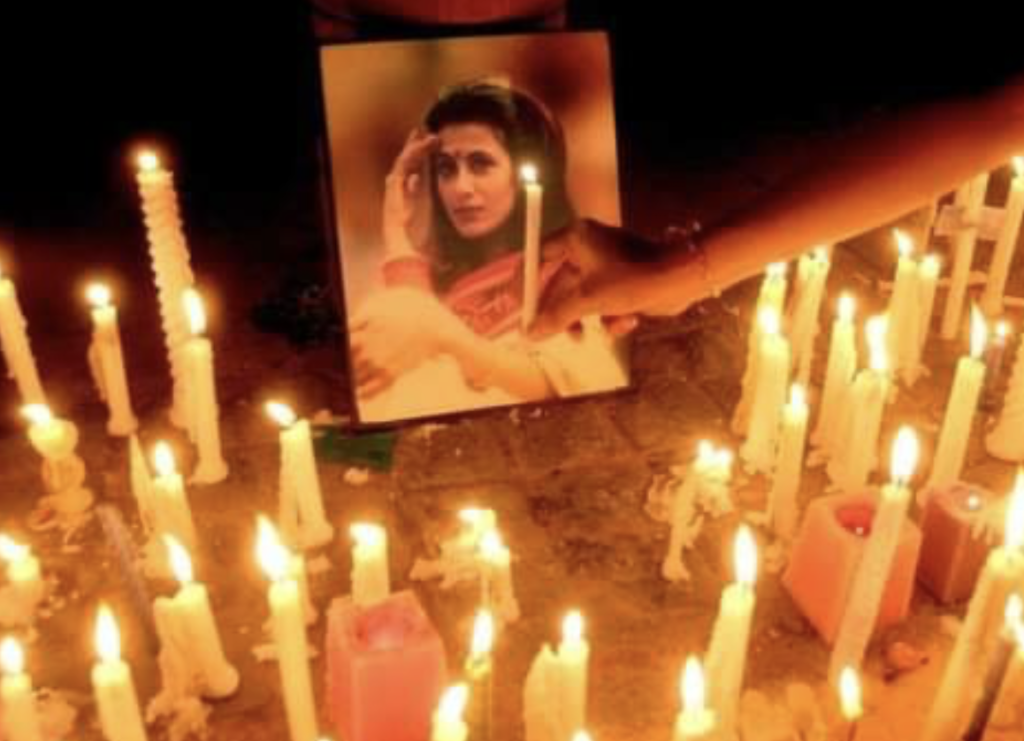
Protesters wore t-shirts captioned with “We support re-investigation of Jessica Lal’s murder, let the truth come out”. The public outcry which was amplified by relentless coverage by media completely transformed the murder case into a national movement against the systemic corruption.
The victim’s sister, Sabrina Lal became the face of the fight. She lost her mother in 2000 and father in 2006, but her unshakeable faith, efforts, and persistence kept the case alive. Despite Sabrina’s initial despairs during the judicial delays, she actively supported the campaigns launched by media which raised a hope in her that justce was still possible.
The public outrage over the initial acquittal in the case and their empathy towards Sabrina Lal pressurised the authorities to take an action.
Judicial Reversal:
As the public outrage and media pressurised the authorities to act, in a prompt response Delhi Police under Commissioner, K.K. Paul filed an appeal in the High Court of Delhi. In the Jessica Lal case the court took suo motu cognizance in March 2006 by issuing a warrant against all the 9 accused and ordering a fast paced trial with daily court hearings over 25 days.
The Delhi High Court was led by Justice P.K. Sharma and Justice R.S. Sodhi, who reexamined all the evidences in the case, including the 2 spent cartridges retrieved from the accused Manu Sharma’s vehicle, one of which had a 100% match with the bullet that had hit Victim Jessica Lal’s skull.
Finally, the court rejected the “two weapon theory” as “concoction“. Manu Sharma was convicted for the murder of Jessica Lal on 18 December, 2006 and was sentenced to life imprisonment, along with a fine of Rs. 50,000. While the co-accused, Amardeep Singh Gill and Vikas Yadav, were sentenced to jail for a term of 4 years, and the remaining 6 accused were acquitted.
Senior Advocate Ram Jethmalani, who represented the accused Manu Sharma, appealed to the Supreme Court on behalf of his client and argued that it was due to the pressure from media that the decision from the High Court had been prejudiced.
Later, the court acknowledged the media’s crucial role, but maintained that the verdict was based on the evidences and was not swayed by sentiments of the public.
Aftermath:
The “Jessica Lal Murder Case” had completely exposed the flaws that were present in the nation’s criminal justice system, including the tampering of witnesses and lapses within the investigation. The Delhi High Court had ordered a prosecution of actor, Shayan Munshi and the ballistic expert P.S. Manocha in 2013 for perjury, while the charges against the remaining 17 witnesses who went hostile, were dropped.
The influence of wealth and power was highlighted as the accused Manu Sharma’s family allegedly attempted to suppress any kind of evidence in the case. Sharma was released from Delhi’s Tihar Jail on 1 June, 2020 after a period of 21 years due to his “good conduct”, which was recommended by the Sentence Review Board.
The victim’s sister, Sabrina Lal did not express any objection as mentioned in a letter to the jail authorities. Although the women’s rights activists objected and criticised Sharma’s premature release, and argued that this might set a dangerous precedent for crime against women.
This case remains a powerful symbol of justice being delayed but not denied. It highlighted the media’s role as the fourth pillar of democracy with the capability to mobilise public opinion to correct judicial wrongs.