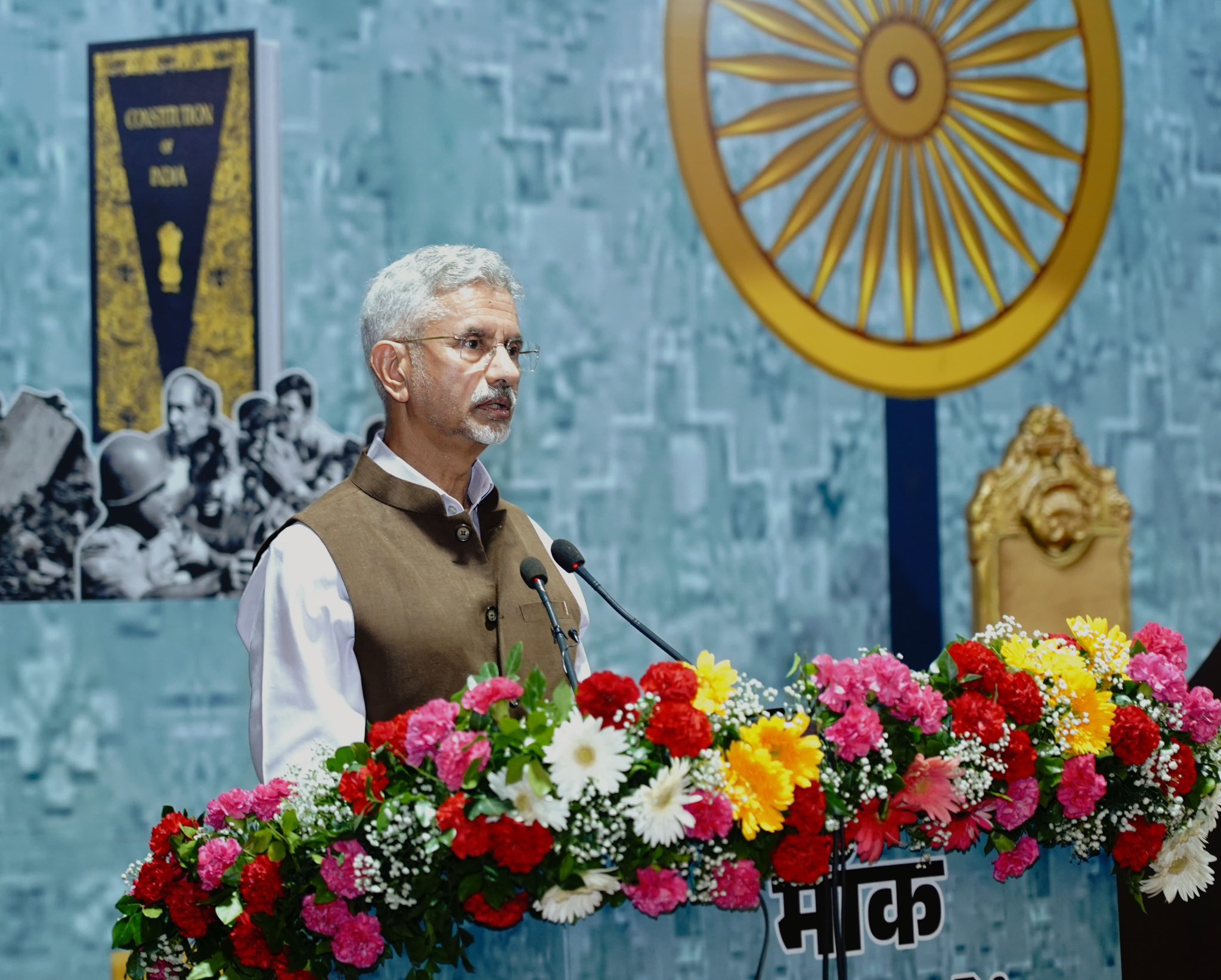
External Affairs Minister S. Jaishankar on Friday linked the ongoing arrests of Indian Fisherman by Sri Lankan authorities to a maritime agreement signed during the Emergency period in the 1970s. Speaking at a youth mock Parliament event in Delhi, Jaishankar said the pact – inked without parliamentary debate – had surrendered certain fishing rights to Sri Lanka, resulting in continued tensions along the maritime border. ” Even today, we see the consequences of that decision,” he noted, adding that had a proper debate occured, such an agreement may have been challenged.
This comes amid renewed concern in Tamil Nadu, where the DMK-led government has repeatedly appealed to the Ministry of External Affairs to intervene in cases of fishermen being detained. According to official figures, over 528 Indian fishermen have been arrested by Sri Lankan authorities so far in 2024 alone, fueling criticism and concern ahead of the upcoming state elections.
While Jaishankar used the platform to reflect on foreign policy missteps during the Emergency, he also took the opportunity to attack the Congress, blaming the decisions of that period on “one family” that placed its interest above the nation’s. Referring to the political climate of the time, he said, “The opposition benches in Parliament were empty because leaders were jailed.”
Jaishankar further emphasized how the Emergency shaped Indian Politics, claiming it had a long-term impact not only on policy but also on democratic values. He recalled his time as a student at JNU during that era and stressed the importance of never taking one’s freedom for granted. “Those who weren’t even in politics were deeply affected,” he said, framing the Emergency as a direct assault on Civil liberties.
His remarks come as the country marks 50 years since the imposition of Emergency by the then Indira Gandhi government.
Jaishankar also highlighted the legislative overreach during the Emergency, pointing out that 48 ordinances and five constitutional amendments were passed during the two-year period. Among the most controversial were the 38th, 39th, and 42nd amendments, which insulated the declaration of Emergency from judicial review, blocked legal challenges to the Prime Minister’s election, and curtailed fundamental rights.