Invisible Dressing: When Nothing Speaks Volumes
In a world so crammed with images that every frame is practically shouting for attention, the real luxury isn’t another splash of colour or an overload of detail; it’s a little bit of calm. That’s the quiet magic of Invisible Dressing: a way of designing where transparency, shadows, and negative space aren’t just filler, they’re the stars of the show. Here, “nothing” isn’t empty at all; it’s a deliberate pause, a visual deep breath that lets your eyes roam and your mind wander. The gaps and spaces become part of the story, setting the mood, creating balance, and stirring emotions without ever shouting about it. In the end, it’s not what you’re shown that hooks you, but what’s left unsaid proves that sometimes, the most powerful thing in design is what’s simply not there.
The Power of the Unseen
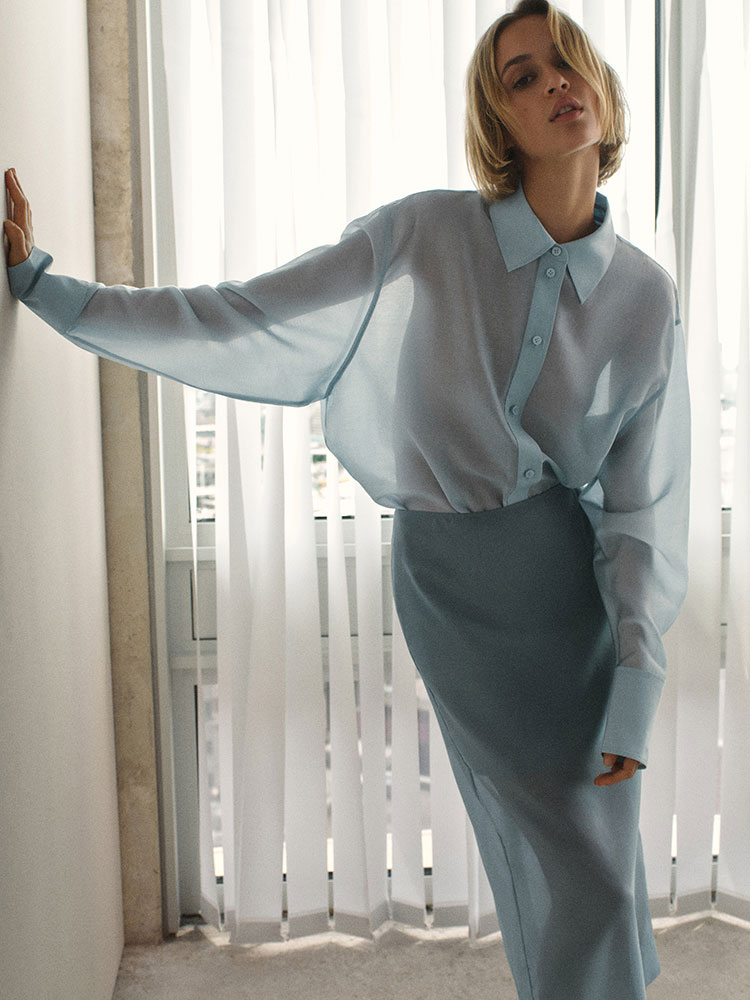
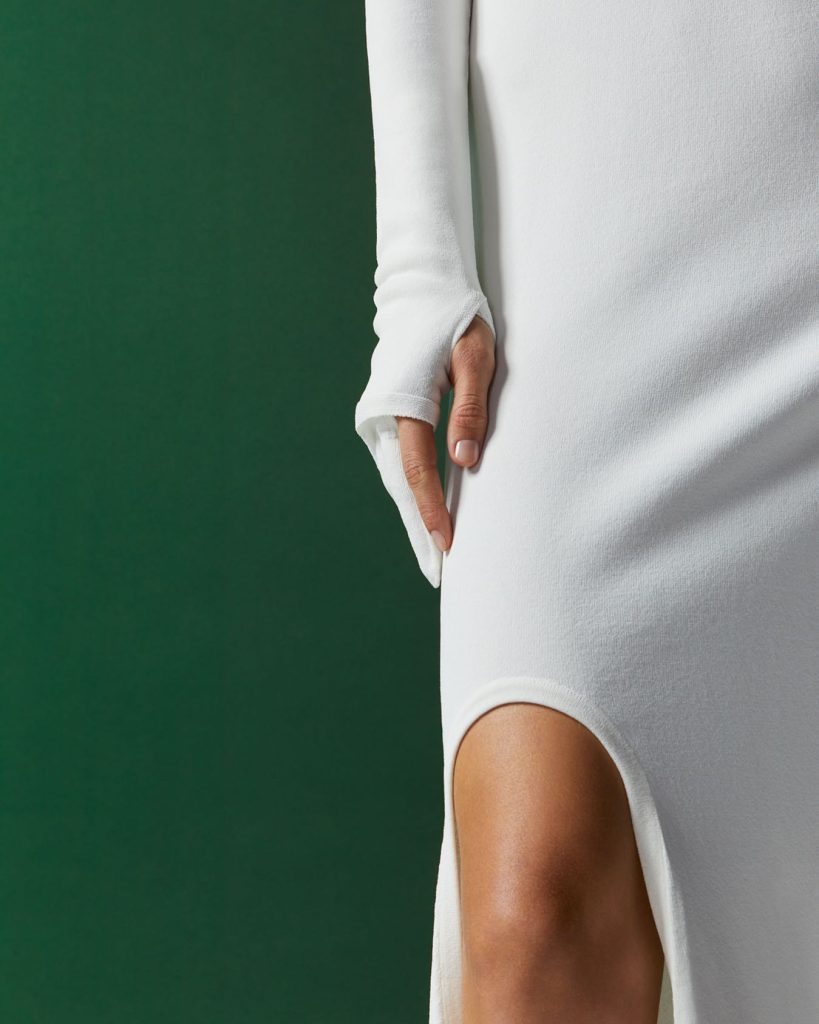
Think of negative space as the breath in the design’s lungs; without it, everything lungs out. It’s not “empty,” it’s pregnant with possibility. The designer isn’t just showing what they’ve left out but inviting you to fill in the blanks. You see “nothing,” and suddenly you’re all in.
Designers Embracing the Art of Absence
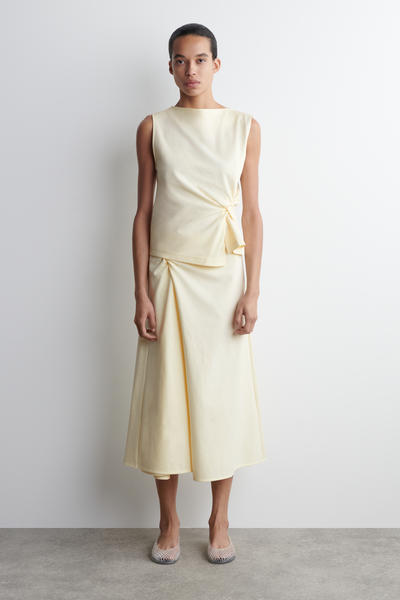
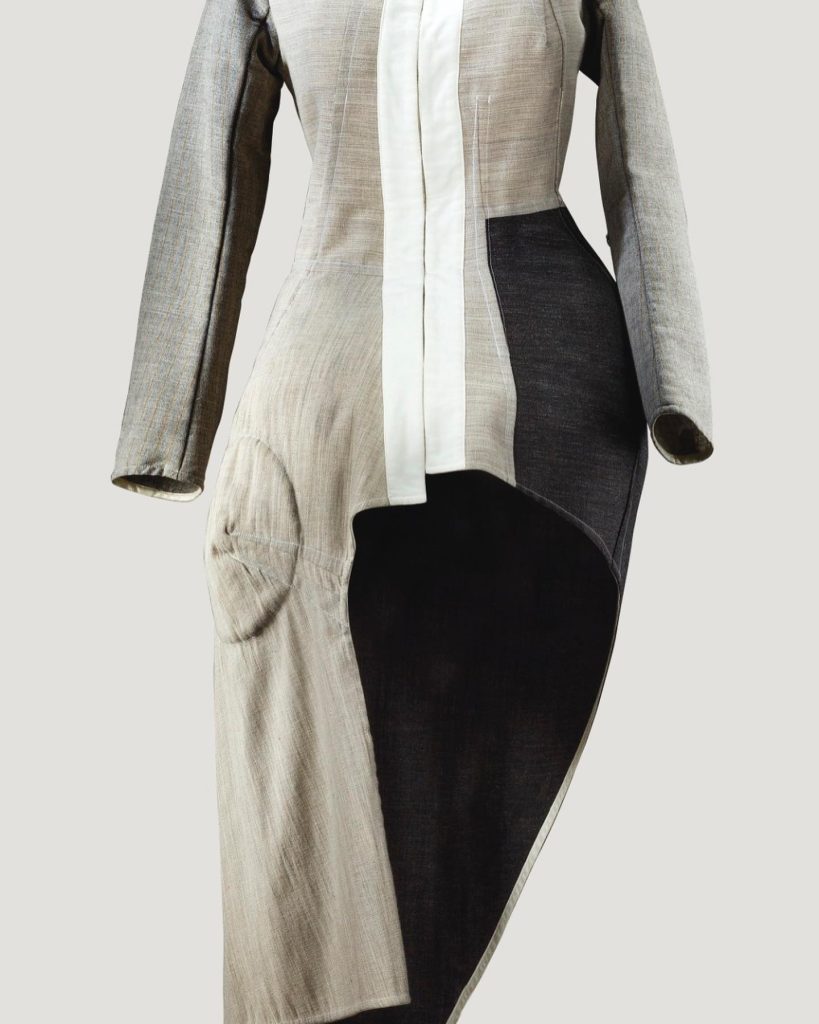
Instagram @kawakubosan
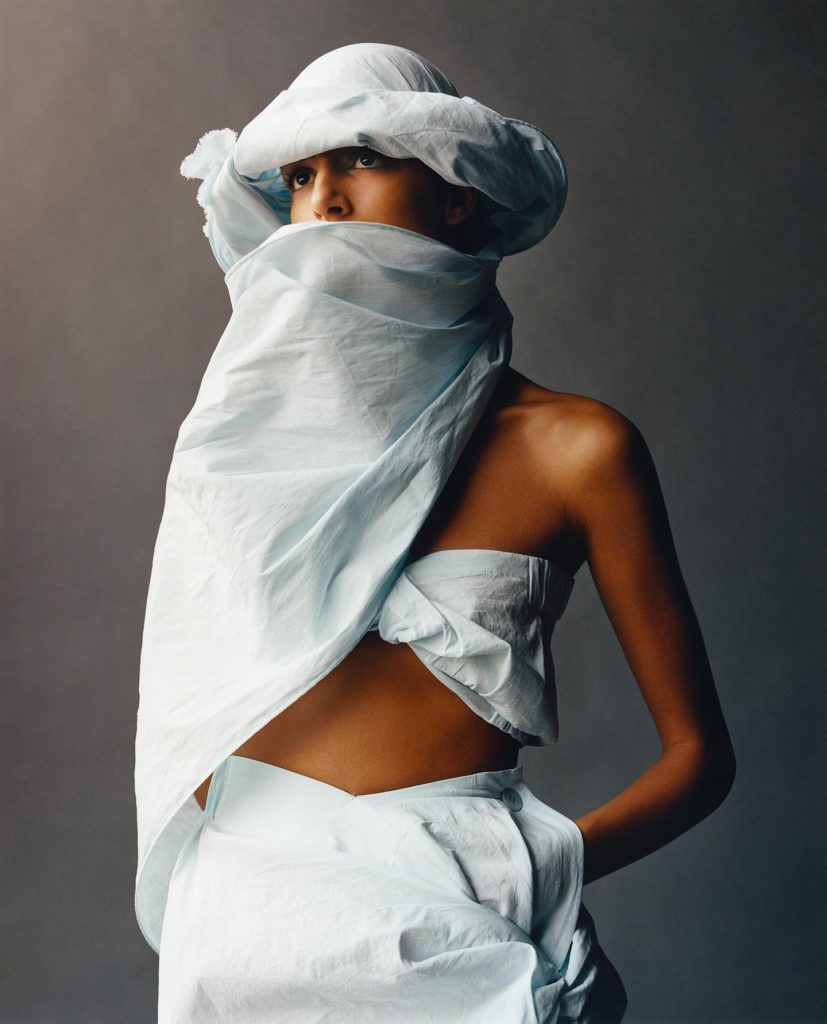
- Issey Miyake pioneered folds and pleats playing with light and shadow garments that almost disappear into streams of air.
- Rei Kawakubo (Comme des Garçons) delights in the anti-fashion: holes, slashes, gaps that odd “absence” that becomes a silhouette.
- COS (Collection of Style) champions minimalist cuts where the fabric’s edge rests in dialogue with the wearer’s body, negative space whispers between seams.
- Anish Kapoor, in sculpture, uses deep voids of pigment or mirrored depths so empty you feel pulled inside.
Each one isn’t avoiding coverage; they’re using what’s not there to make you look twice.
Rediscovery, Reframed
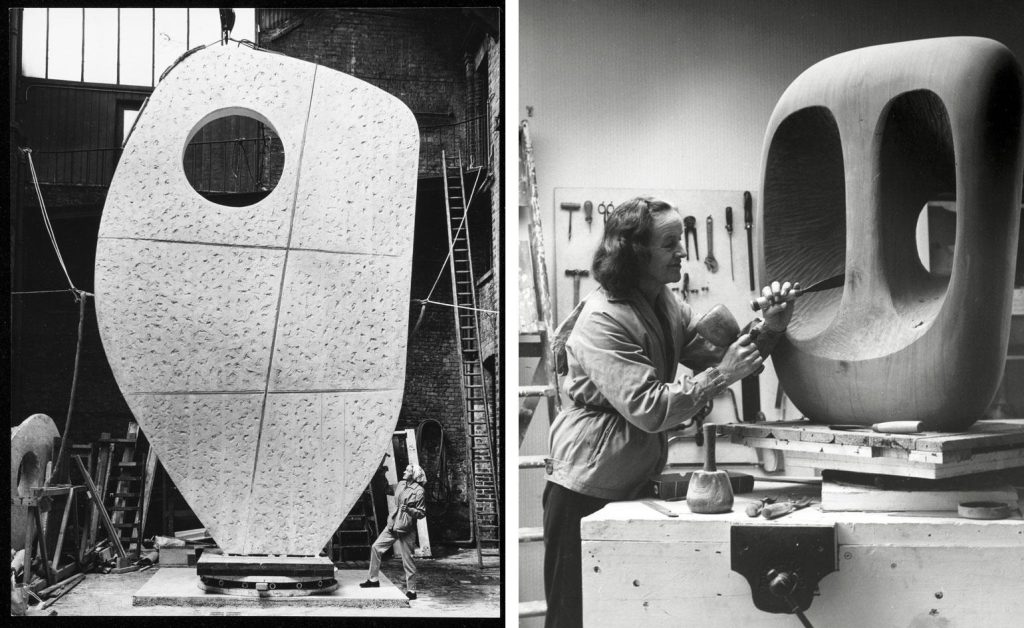
Once upon yesterday, negative space lurked quietly in classical painting or architecture as aesthetic rest. Now, designers rediscover it as a rebel tool, a way to fight the noise. Think translucent organza, gaping cuts, sheer overlays: now, absence asserts itself.
Balance: The Yin to Visual Yang
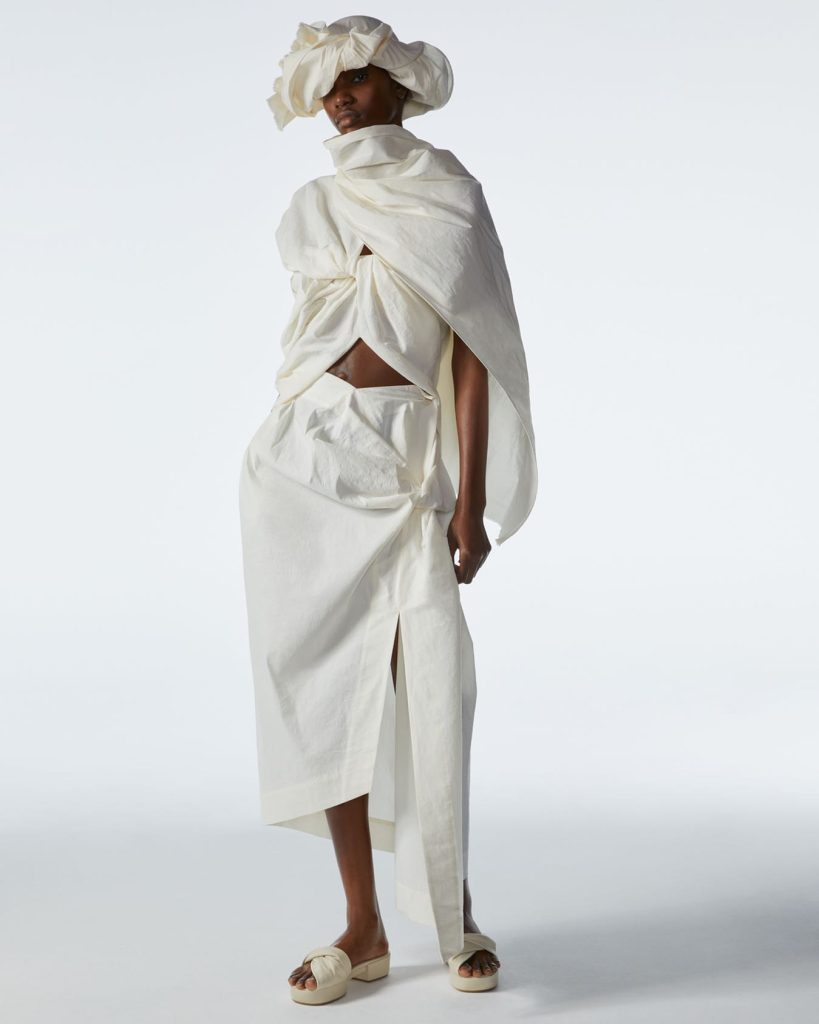
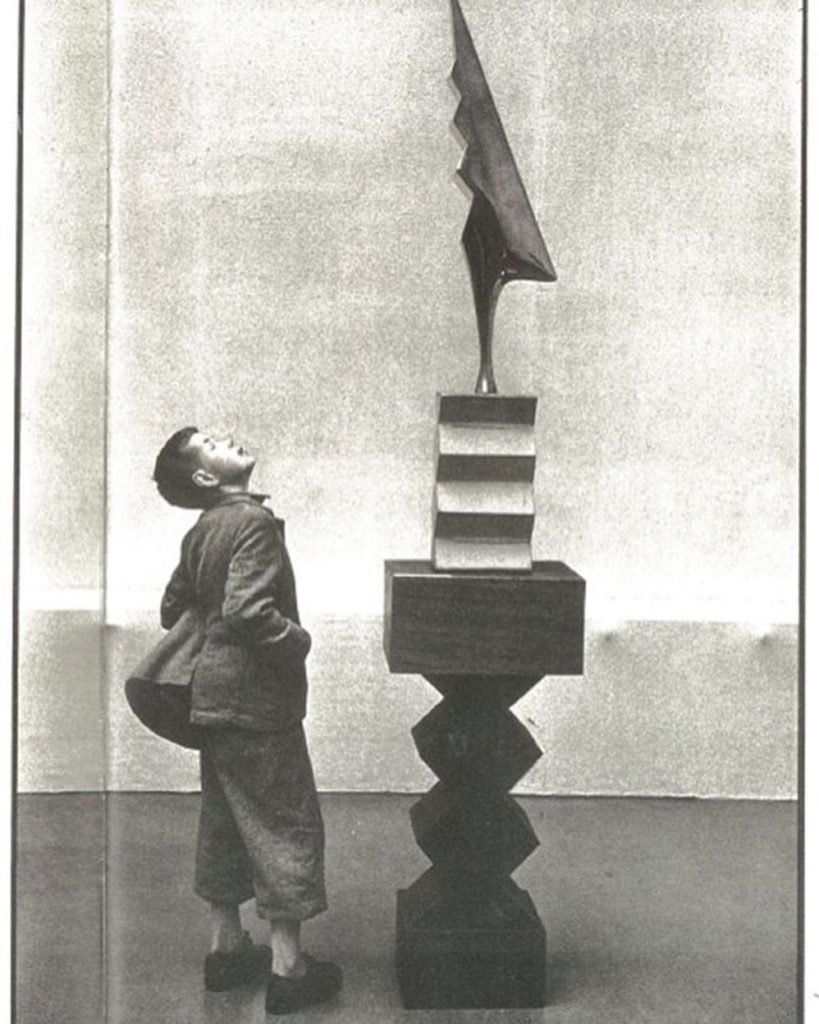
Design without negative space is a scream. Too much visual chatter, and the viewer floods. Negative space? That’s the pause between notes, the hush that lets the melody resonate. It’s essential equilibrium: you feel calm, you feel drawn in.
Emotional Resonance of the Void
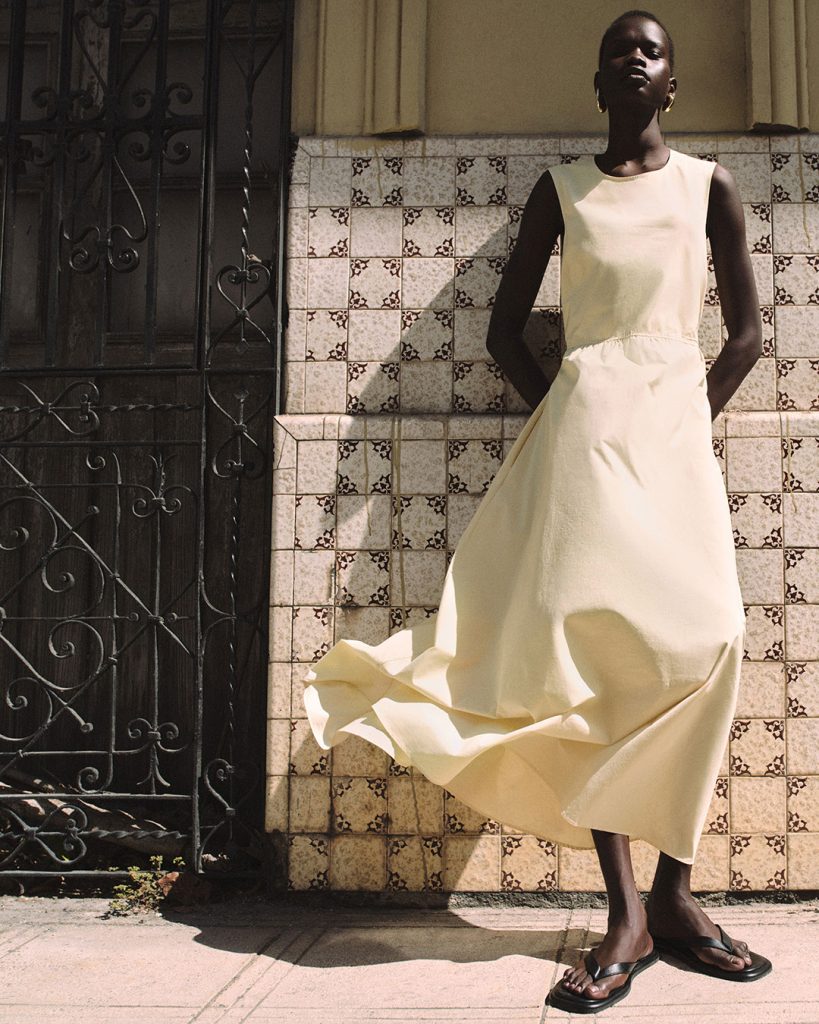
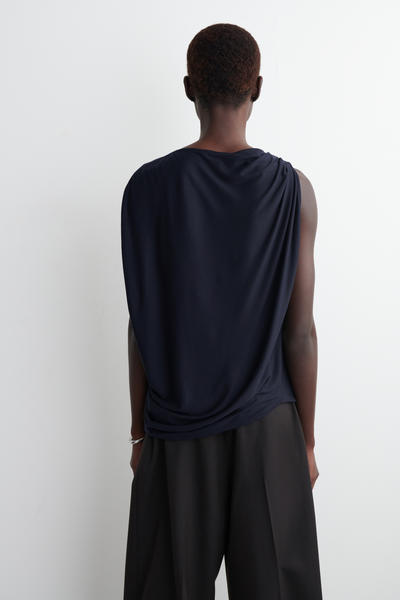
Negative space isn’t just visual breathing room; it’s emotional oxygen.
- It hints, never tells. A neckline cutout suggests vulnerability, a quiet confidence.
- A sculpted empty arch whispers architecture’s soul more than solid mass ever could.
- A fashion piece with sheer slashes invites intimacy: “Come closer, see me, yet you see nothing at all.”
Every omission has a backstory: rebellion, subtlety, transparency, mystery.
The Struggle Beneath the Silence
Ah, but embracing not-there isn’t always simple:
- Technical hurdles – sheer fabrics demand masterful tailoring: a mis-stitched seam becomes glaring where there’s nothing to distract.
- Commercial risk – in fast-fashion’s bold bazaar, minimalism can feel like mutiny. Negative space designs sometimes get labeled “too quiet,” “unmarketable,” or “odd.”
- Viewer resistance – absence can feel like omission. Designers must gently train the eye: “Look at what’s not there…and see everything.”
The Radical Luxury of Resting the Eyes
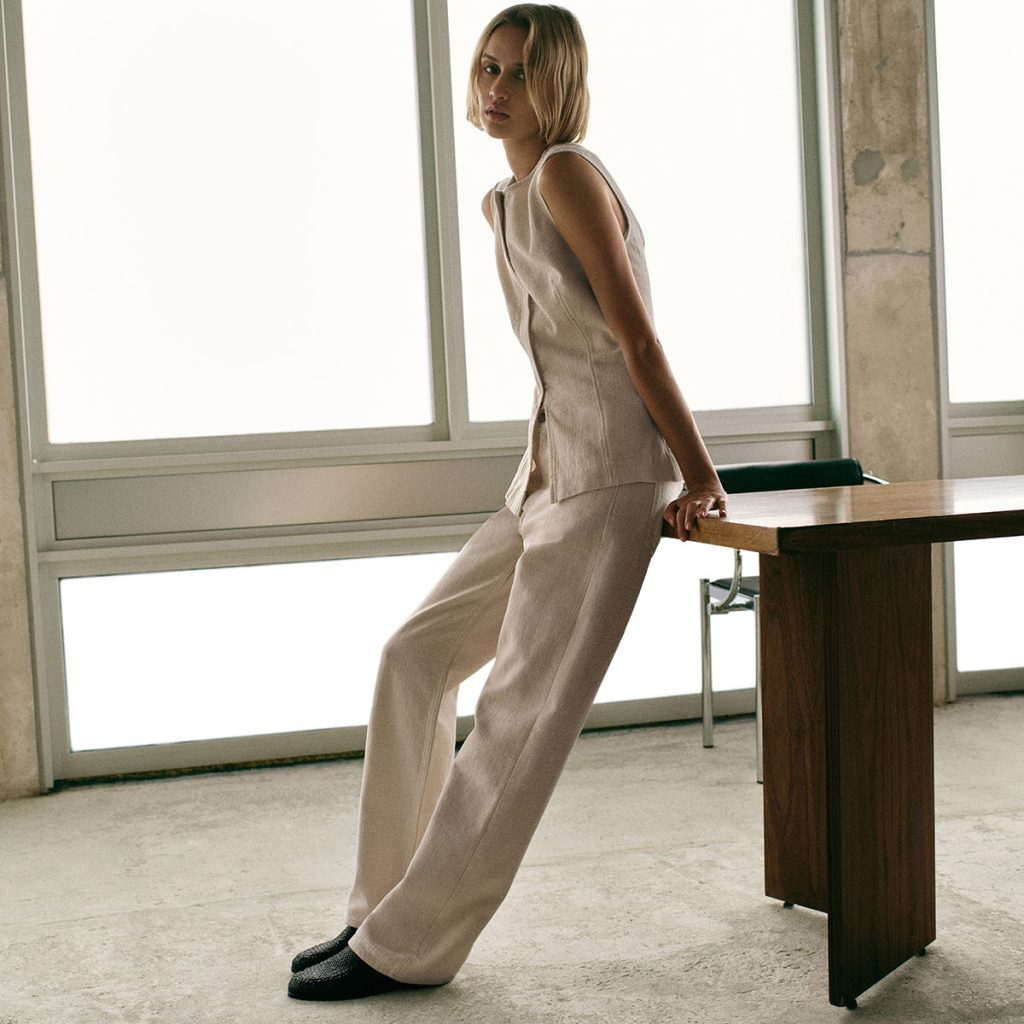
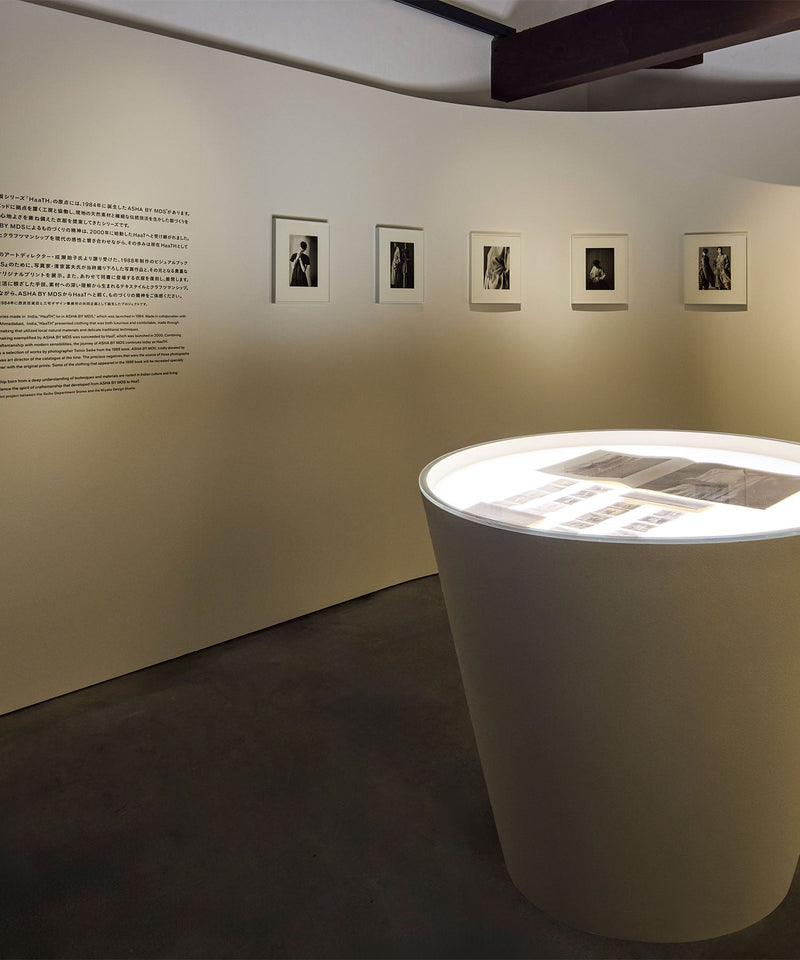
In an age where every scroll, billboard, and passing glance is an assault of colours, fonts, and motion, the act of not overstimulating the senses feels almost rebellious. Giving the eyes a moment to breathe isn’t a sign of minimal effort; it’s a mark of intention. It’s the designer saying, I trust the pause to speak louder than the noise. Negative space, calm palettes, and gentle compositions become visual exhalations in a culture hooked on constant inhalation. In that stillness, the viewer isn’t overwhelmed; they’re invited in. It’s not about doing less; it’s about making space for meaning to land, linger, and truly be seen.
The Poetics of Nothing
In the end: Invisible Dressing is visual poetry. It’s the space where your mind wanders. It’s the silent punctuation that gives meaning to the words. And it’s the design rebel whispering, sometimes the loudest thing you wear or see is what’s simply not there.