


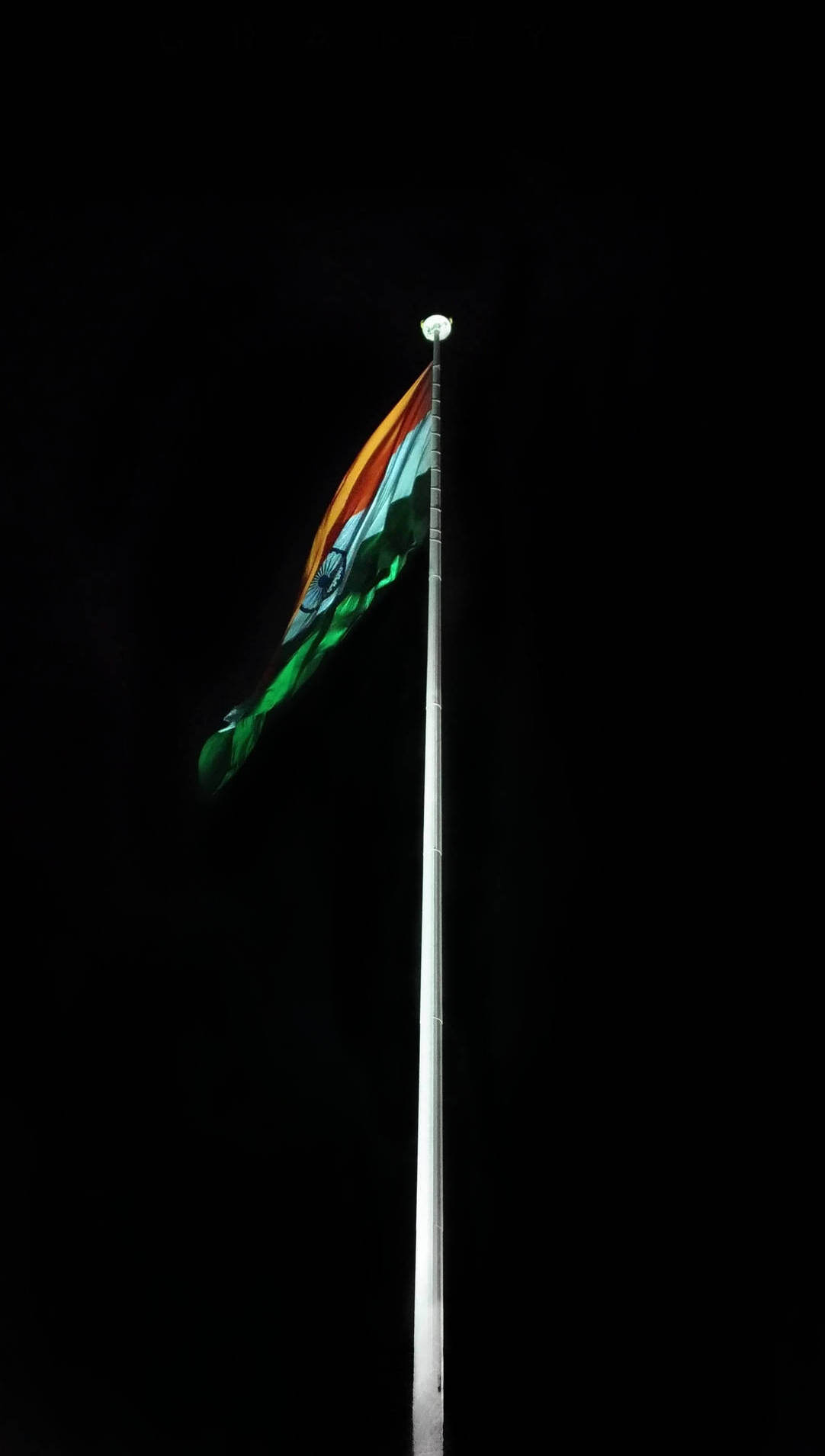
“Popular songs are not made to order, nor they can be successfully imposed. They grow out of public sentiment.” Nehru wrote in his letter to Jinnah dated 6 April 1938, in Calcutta. Jawaharlal Nehru wrote it in context of ‘Bande Mataram’,in continuation to this same letter he refers Indian tricolour,”It has been associated with great sacrifices on the part of our people, including Hindus, Muslims and Sikhs, and many have suffered lathi blows and imprisonment and even death in defending it from insult and injury. Thus a powerful sentiment has grown in its favour.” On 22nd of July, Narendra Modi called for an all India campaign, making the Indian tricolour reach every home and every roof of the country, christened as ‘Har Ghar Tiranga’. The citizens were obligated to unfurl flags upon their roofs and post tricolour profile pictures, so that the campaign transcends the digital world. The campaign blossomed, tall singing flags across all the states and districts. The sale of Indian tricolour surged. Inexplicable pride and love was embraced, of how far we have come to such glory. Artisans had got their thumbs chopped by the British Raj, directed to cause decline in Indian handloom and textile industry which had universal renown. Despite that, during the colonial era the domestic hand looms survived earning profit to their country. However, that gold was showered at wars started by British raj and fought by us. The Indian flag code explicitly mentions the usage of hand-spun fabric or machine use restricted to Khadi,wool,cotton and silk. The code represents the grief of Indian republic, which was amended to allow the usage of artificial fabric and display of flags beyond sunset. The decision was protested.People of Garag village in Dharwad who have been producing khadi flags for years expressed concern.The village residents decided not to hoist flag to express their displeasure for amendments. ”This decision was taken in consultation with the elders of the village and it has been communicated to authorities. We consider allowing any material other than khadi a disgrace to the national flag itself.”said Kiran Bulbule; villager. “I pledge the allegiance to national flag and to the Sovereign Socialist Secular Democratic Republic for which it stands.”, the pledge our Indian code suggests. The socialist republic experienced 278 families brought to road. Despite the depart of British raj khadi workers stay wage less. Thanks to the amendments. The reports of coercion had surfaced “This is a government order from the top,”the shopkeeper said.”I have been told by my boss not to give rations to those who refuse to buy the flag.” A woman got 5kg of her ration deducted when she couldn’t pay Rs.20 for the flag. The hunger of poor was kept above the pride of nation, nation that pledged to remove hunger. The government’s response stood in contradiction, ”purely voluntary”,centre claimed. The campaign issued the system of certification, people who unfurled flags could apply for certificates,certification for loving their country which they are naturally inclined to do, but now needs centre’s acknowledgment. The campaign raises certain questions about how the patriotic sense should be cultivated in the process of nation building. Should it be the subject of state to sanction? or to grow out of public sentiment, country’s history and culture? If through the state it is to be administered then how to assure democratic ethos to it and immune it from political opportunism?If to the people it shall be assumed than how the issues of symbols fatal to unity be tackled? But the tricolour has proven to stand the test of time, especially the European predictions of India’s premature demise. India exists.


- Advertisment -