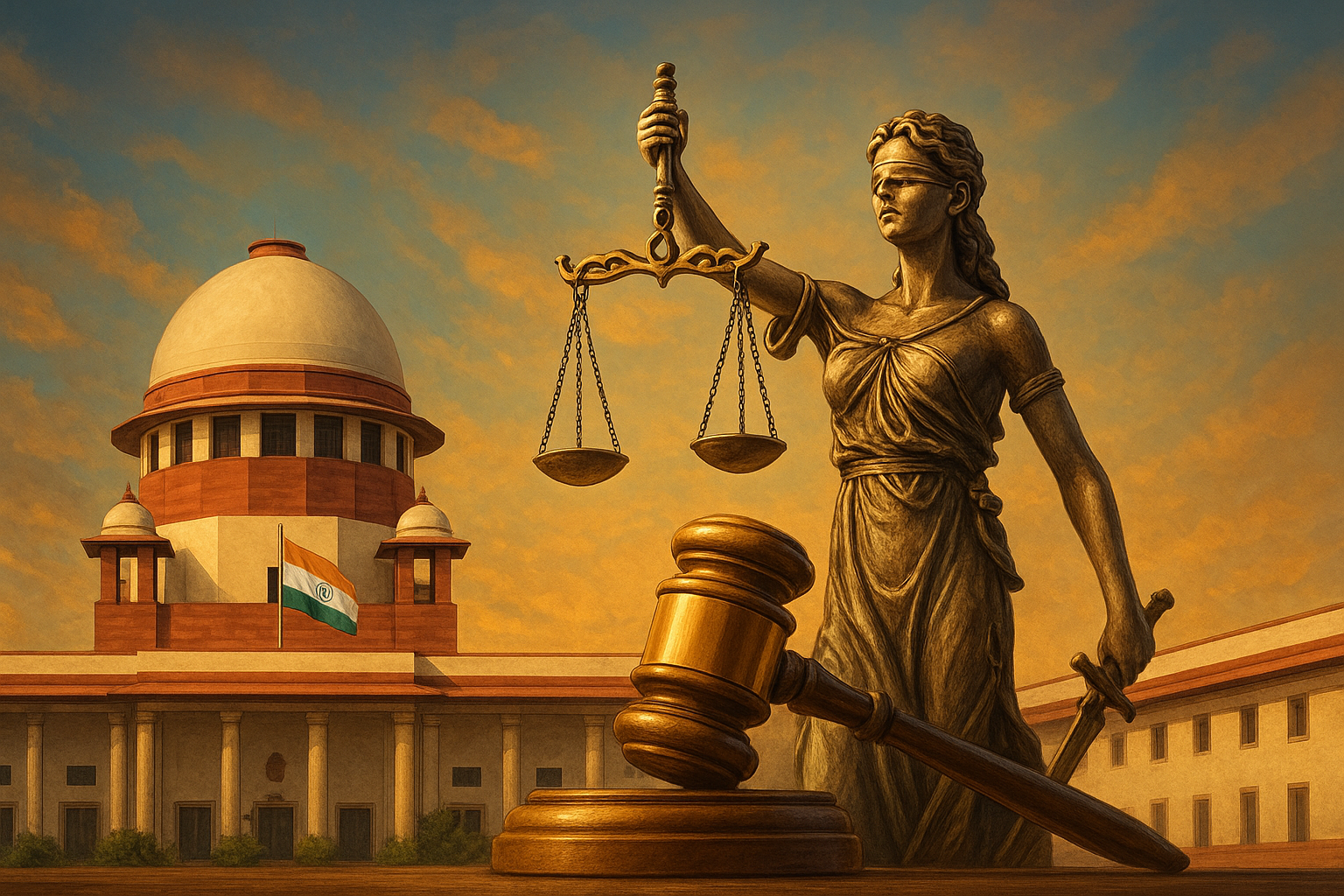
On December 25, 2023, India’s Parliament waved goodbye to three British-era laws and implemented the Bharatiya Nyaya Sanhita, Bharatiya Nagarik Suraksha Sanhita, and Bharatiya Sakshya Adhiniyam. These fresh rules promise speedy trials, clearer offences and full respect for digital evidence.
Passage and Action Dates
- Parliament passed all three bills on December 25, 2023.
- They officially took effect on July 1, 2024, when courts and police switched over to the new system.
Out with Old Laws, In with the New Code
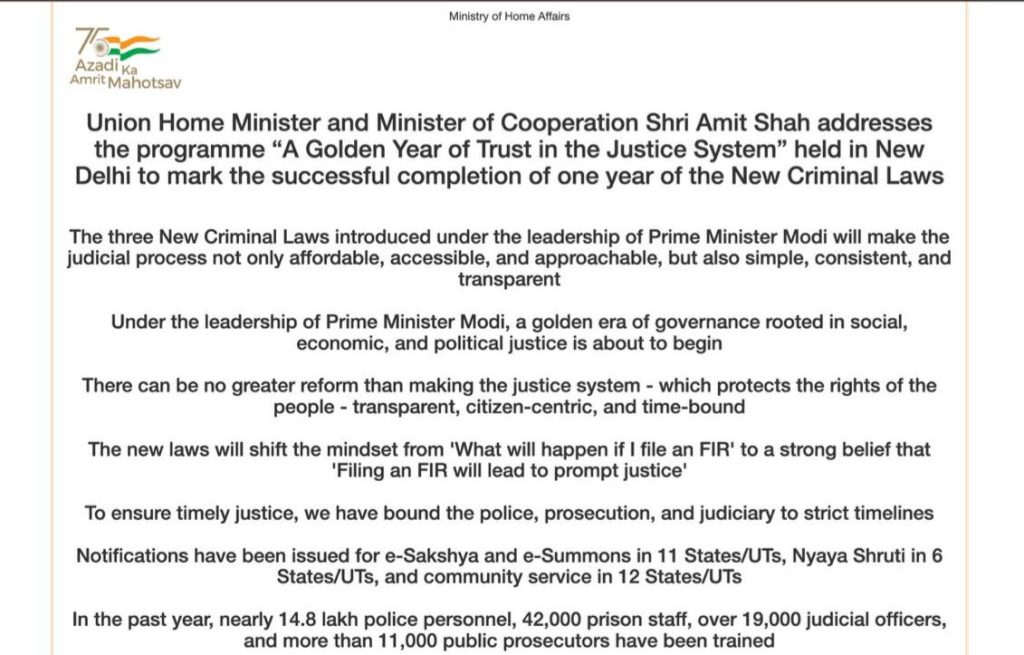
For over 160 years, India’s courts worked under three British-made rules, which were the Indian Penal Code, Criminal Procedure Code, and Evidence Act. On July 1, 2024, they all made way for three new Bharatiya statutes: Nyaya Sanhita, Nagarik Suraksha Sanhita, and Sakshya Adhiniya, which together form our new “Justice Code.”
Sedition charges are gone for good. Instead, tough crimes against the State like treason, terrorist attacks, cyber-hacking, and mob violence now live under one clear chapter. Every offence slots into a fixed sentencing band, so judges know exactly which penalties to apply. Even small breaches can lead to community service, now officially recognised as a legal punishment for minor wrongs.
Speedy Cases, Fast Closure
Gone are the days when investigations dragged on for years and courtroom dates felt endless. Under the new BNSS rules, police must complete their probing within fixed deadlines, so evidence stays fresh and leads don’t go cold. Once a trial wraps up, judges now have just 30 days to deliver their verdict, hence no more waiting months for justice.
Reporting a crime is just as quick. You can file an FIR online through the National Crime and Criminal Tracking Network System. And if you arrive at your local station only to find it closed, a “zero FIR” at any other police outpost gets your case rolling immediately. This digital-first system makes sure your report reaches the proper desk without any holdup.
Digital Proof Takes Centre Stage
Paper no longer rules the courtroom. Under the Bharatiya Sakshya Adhiniyam, emails, server logs, social-media posts, and GPS trails all count as solid proof. Every complaint and document is created, stored, and shared online, so judges and lawyers can access the full file instantly without rifling through stacks of paper.
Audio and video evidence now follow clear, strict guidelines on how recordings are made, stored and played back, ensuring neither side can challenge their integrity. When DNA tests or expert opinions come into play, the law spells out each step from sample collection to final report, removing all guesswork in handling digital clues.
Modern Crime, Fair Punishments
The Bharatiya Nyaya Sanhita spells out each crime in plain words. Terror acts, hateful posts on social media, and mob attacks now have exact definitions, so there’s no confusion.
Offences are split into three levels: small wrongs earn community service, mid-level offences bring fines or jail time, and only the gravest cases can lead to the death penalty.
Victims no longer wait for ad hoc help. They get fixed compensation amounts and can rely on support services, from counselling and legal aid to financial assistance, so they recover with dignity.
This new framework holds wrongdoers strictly accountable while ensuring those harmed receive genuine help and protection.
Why the Government Made the Change
- The government set three clear aims: bring laws into the modern age, speed up processes, and open them up to public view.
- A bold move was removing the sedition law to carve out space for free speech while still giving the state tools to guard national security.
- Courtrooms have gone digital, now use anonymous hearings and mandatory video recordings in sexual-assault trials, cutting down on bias and showing victims their voices count.
- When it comes to serious offences, investigations now hinge on hard science; everything from fingerprint scans and DNA analysis to lab reports is compulsory. Justice today stands on facts, not guesswork.
This isn’t just paperwork; it’s a full update of our justice system for today’s world.
Fresh Ideas from Around the World
- India’s courts were buried under more than 40 million pending cases, and three out of every four prisoners hadn’t faced trial.
- To clear the minor cases, India adopted plea bargaining, resolving minor offences through an agreement instead of a full trial.
- This approach takes inspiration from Canada’s Victims Bill of Rights, which fast-tracks victim notifications and compensation, and the UK’s overhauled Crown Courts, where smarter scheduling and courtroom technology keep complex trials on track.
- Now, the real test is training judges, police, and lawyers on these new tools. With the right workshops, clear rules, and ongoing support, this change can finally deliver faster, fairer justice.
Major Roadblocks
- Switching to three new legal codes across all 28 states and 8 union territories is a huge job. Every court must learn the new rules, train its staff, and start using the new system at once.
- Many district courts still run on slow internet and old computers, so filing cases online or holding video hearings often isn’t possible.
- Existing laws on drugs, corruption, and terrorism were written for the old setup. They need careful rewriting so they fit the new codes without confusion.
- Experts say a central monitoring team is a must. This group would track how quickly cases wrap up, measure average trial time, gather input from victims, and run regular training for judges, police, and lawyers. Ongoing support will turn these reforms into reality.
From Plans to Practice
Change only works when it reaches every corner. Soon, expect to see:
- Digital counters at police stations let you file a report online in minutes, no more waiting in line.
- Private, soundproof booths ensure witnesses can share sensitive details safely and in confidence.
- A mobile app sends real-time updates on your case straight to your phone.
- Minor offenders can do community work with local NGOs instead of serving jail time.
- Local groups, journalists, and public-interest lawyers will track progress on the ground and share your stories.