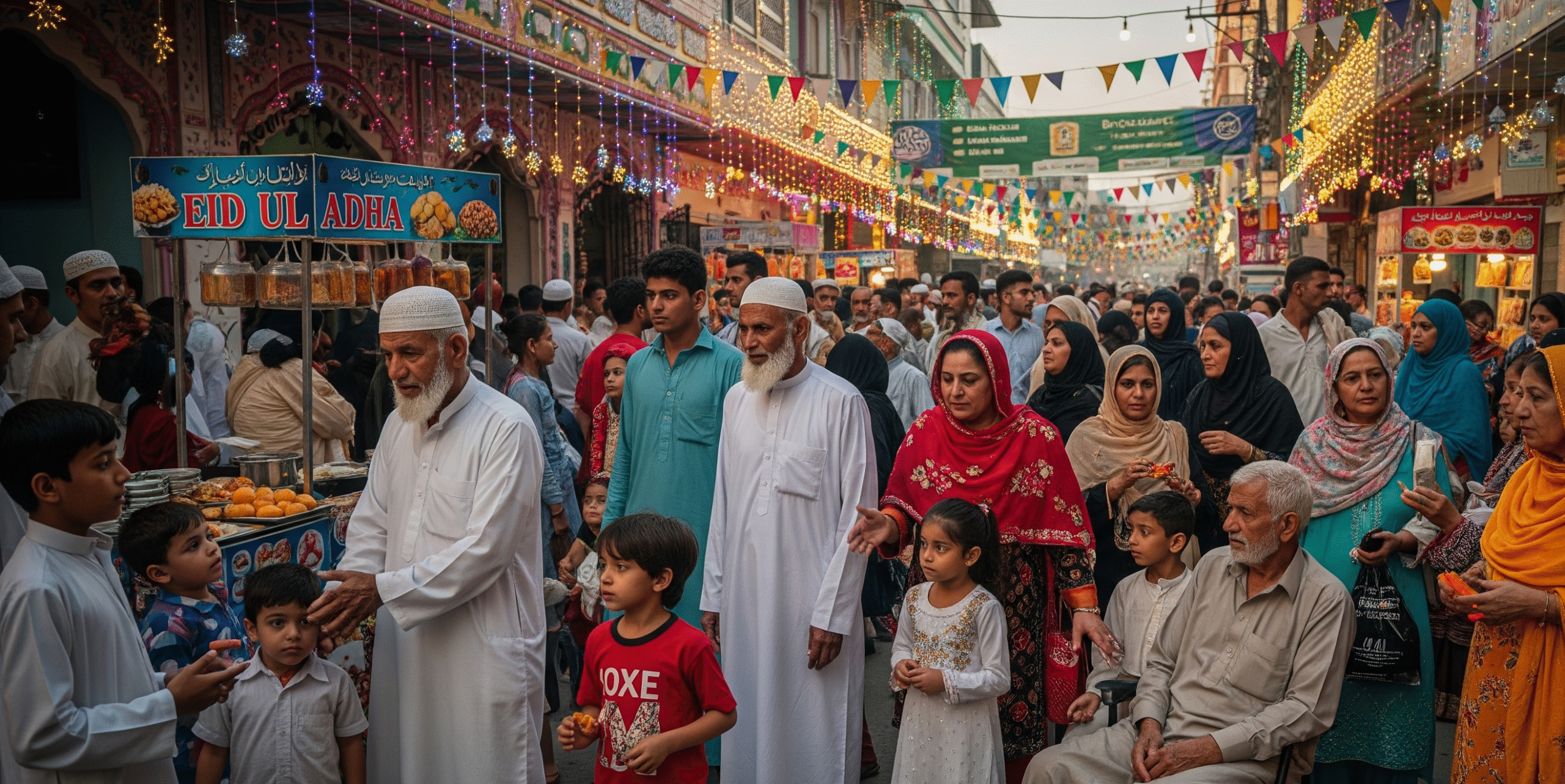
Eid ul-Adha, also known as Bakrid Eid or the Festival of Sacrifice, is one of the revered and sacred festivals in the Islamic lunar calendar. Each year, as the crescent moon of the 10th day of Dhu al-Hijjah graces the sky, Muslims across the world prepare for the Eid. It is a day marked not only by celebration and rituals but by a profound story of faith, trust and submission to God’s will: a story that has transcended centuries and borders to inspire millions worldwide.
The Heart of Eid: The Story of Ibrahim and Ismail
The festival commemorates the moment when Prophet Ibrahim, tested by God, who dreamed of Allah, was commanded to sacrifice his firstborn son Ismail. Shaitan (Devil) came to dissuade them, but they stoned him (happens in Hajj). And they trusted Divine command. Despite the pain and the challenge, Ibrahmi’s faith did not waver. At the final moment, Allah, in His infinite mercy, replaced Ismail with a ram, sparing his life.
This narrative, beautifully captured in the Quran (Surah As-Saffat, 37:102-107), is a timeless test and reminder of faith and sacrifice- the willingness to give up what is most precious in obedience to God (Allah).
Muslims honour this legacy by offering Qurbani (sacrifice) of an animal- typically a goat, sheep, or cow- after the Eid prayer. The meat is divided into three parts: one-third for the family, one-third for relatives and friends, and one-third for those in need.
Rituals Rooted in Meaning
- Eid Prayer (Salat al-Eid): Held in Congregation, usually in open grounds or a large mosque, it begins day of sacrifice and celebration with gratitude and seeks blessings.
- Qurbani (Sacrifice): Symbolising faith and charity, it is carried out following the prayer and lasts over three days (10th to 12th Dhul Hijjah). and divided into three parts.
- Zakat (Charity and Community): Eid ul-Adha is as much about giving as it is about celebrating. It is a time to ensure that no one is left behind and that joy reaches every home, especially those struggling silently. Which reflects the essence of empathy and equality.
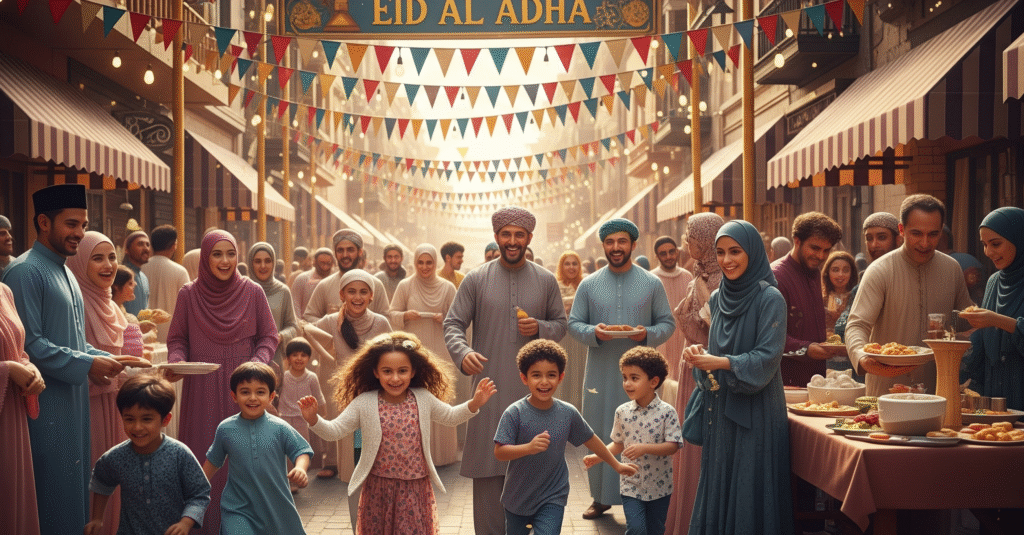
- Festive Meals and Gatherings: Lavish meals, traditional sweets, and family get-togethers make the celebration joyful and inclusive.
- New Clothes and Gifts: People dress in their finest, visit friends and neighbours, and exchange greetings- “Eid Mubarak!”
Eid ul-Adha and Hajj
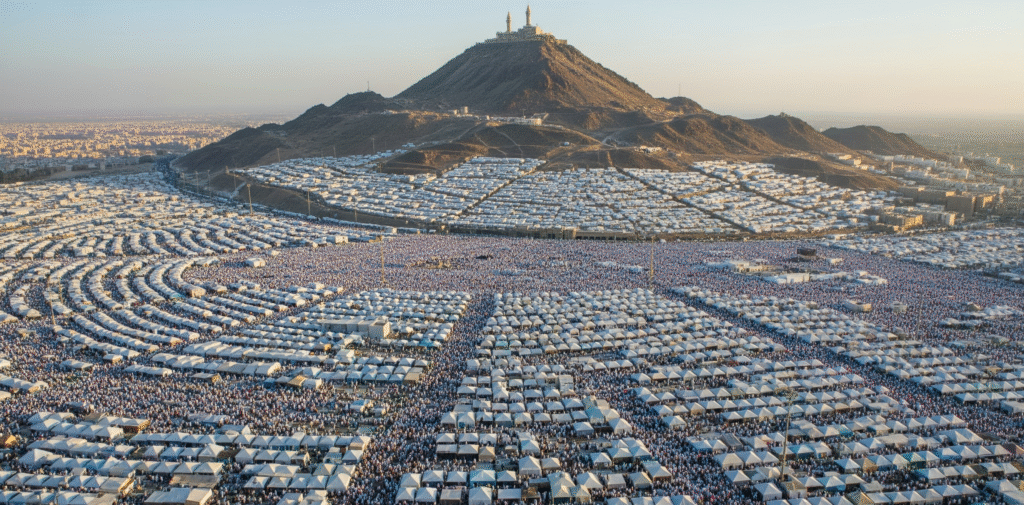
Eid ul-Adha coincides with the final rites of the Hajj pilgrimage in Mecca, the fifth pillar of Islam. Pilgrims perform the symbolic act of sacrifice in Mina after standing in prayer at Arafat- a powerful convergence of faith and humanity.
A message for all
Eid ul-Adha transcends ritual. It calls upon believers to embody the spirit of sacrifice in everyday life- not just in rituals but in acts of kindness, forgiveness, and social justice. It reminds us that true faith is living a life that balances devotion to God with service to humanity. In a world often fractured by differences, the festival is a beacon of hope, encouraging empathy, solidarity, and peace.
"You give but little when you give of your possessions. it is when you give of yourself that you truly give"
-Kahlil Gibran, The prophet
Eid Mubarak! May your heart find peace and your soul its purpose.