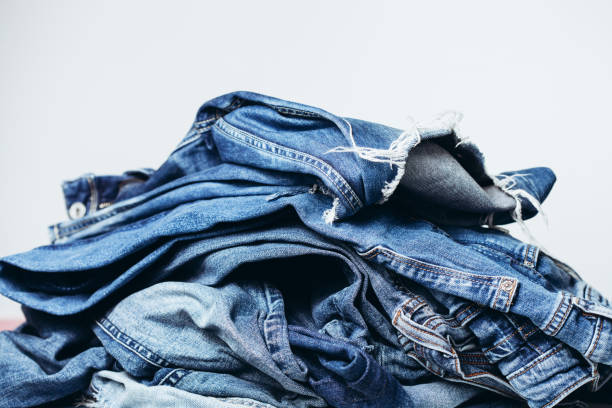
Denim has always been one of the most worn fabric in the world of fashion. But where did it originate from? How did your favourite jeans come to existence?
Despite the explosion of new textiles and fabrics, denim remains unmatched in versatility, durability, and universal appeal. Jeans transcend gender, class, and culture. Most of us own multiple pairs, different colours and even different types. Their considered timeless, yet their design and fabric technology are ever-evolving, keeping pace with the times.
Now, a new chapter in denim’s story is unfolding. As environmental concerns rise, so does consumer demand for ecological fabrics and sustainable manufacturing practices. And so, ‘green denim’ is beginning to take hold.
From Nîmes to the World: The Origins of Denim
The roots of denim stretch back to 17th-century Europe. The fabric’s name is widely believed to derive from “serge de Nîmes,” developed in Nîmes, France. This accidental innovation came during failed attempts to replicate a durable cotton fabric known as “jeane” (from Genoa, Italy). What emerged instead was something new that turned out to be a unique twill weave using indigo-dyed warp threads and undyed weft threads. The result? A fabric with a deep blue face and pale underside.
It was this structure and coloration that gave denim its signature look and remarkable qualities that would soon capture the attention of industrialising societies.
Indigo’s Global Journey
The soul of denim lies in its colour i.e Indigo, one of the world’s oldest dyes that has infused denim with its iconic deep-blue hue. Originally derived from the indigofera tinctoria plant, the dye was first produced and exported from India, and prized in Europe for its vivid tone. During the Greco-Roman period, indigo was considered so valuable that it attracted heavy taxation from Levantine and Persian traders.
By the 16th century, Portuguese explorer Vasco da Gama opened new maritime routes to India, increasing access to indigo and reducing its cost in Europe. Centuries later, in 1883, German chemist Adolf von Baeyer synthesised indigo, enabling industrial-scale production of this once-rare dye. Synthetic indigo proved cheaper and more consistent. By the late 19th century, the age of blue jeans was just around the corner.
Levi Strauss & the Birth of the Blue Jean
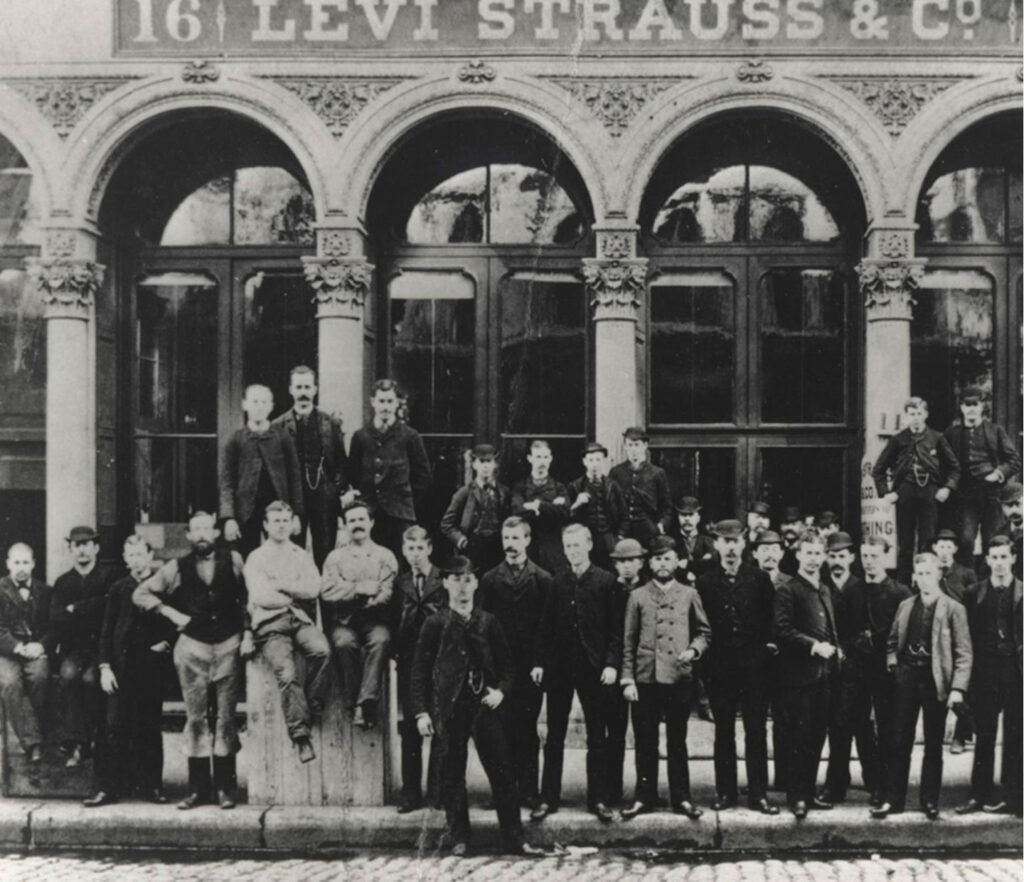
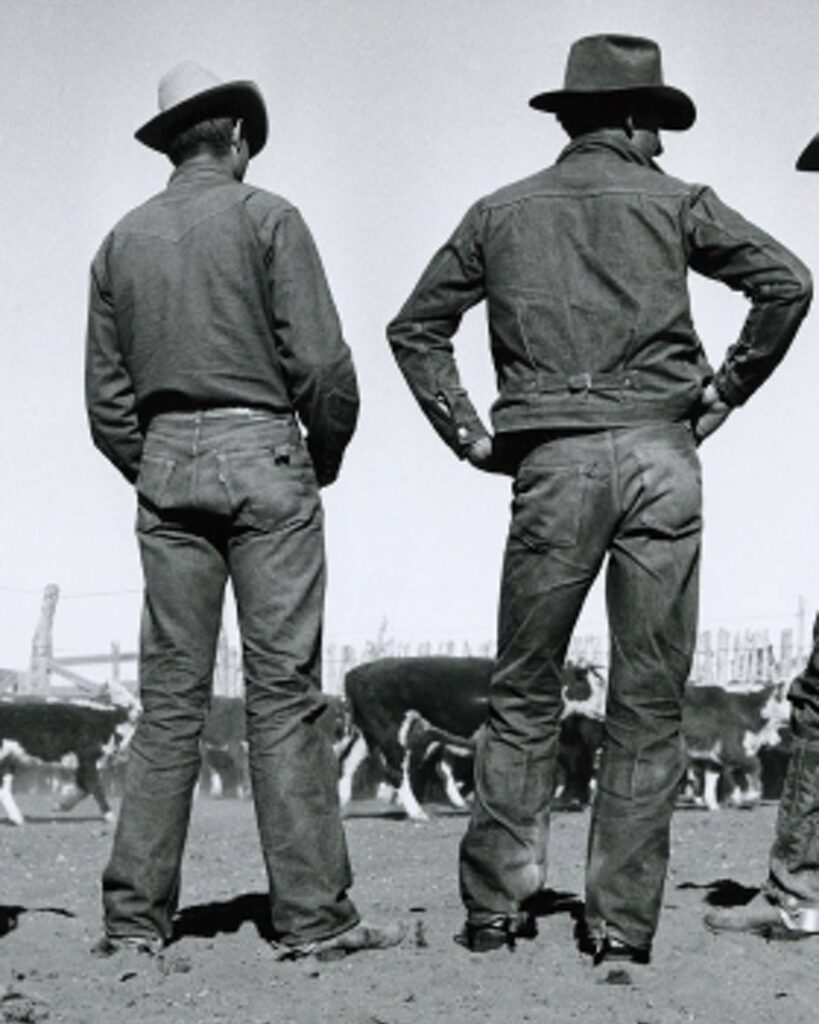
image credit: Levi’s
In 1853, a German immigrant named Levi Strauss opened a dry goods business in San Francisco, supplying fabrics to miners during the California Gold Rush. One of his most durable offerings was denim.
With Jacob W. Davis, a Reno-based tailor who used Strauss’s fabric to make tents and horse blankets, when a customer requested durable work trousers, Davis reinforced the pants with copper rivets. Realising the potential, he approached Strauss for a patent partnership.
On May 20, 1873, the duo received U.S. Patent No. 139,121 for riveted denim pants which now marks the birth of what we now call jeans. By the 1890s, Levi Strauss & Co. had launched its first mass-produced pair of denim overalls, built to endure the toughest labor.
Denim and the American Worker
By the early 20th century, denim was synonymous with rugged American workwear. Cowboys, miners, farmers, and railroad workers favored the fabric for its toughness and affordability. Denim outperformed the older “jean” fabric made of cotton, linen, and wool, and Levi’s riveted blue trousers became standard attire in the West America.
The appeal spread beyond the frontier. In the 1930s, dude ranch tourism romanticised cowboy culture for wealthy urbanites from the East. Denim jeans which was once utilitarian soon became a symbol of Western charm and freedom.
During World War II, denim was declared an “essential commodity,” reserved for defence and military labor. American soldiers wore their denim proudly, even while stationed abroad ending up laying the groundwork for denim’s global cultural takeover.
The Rise of Youth Culture
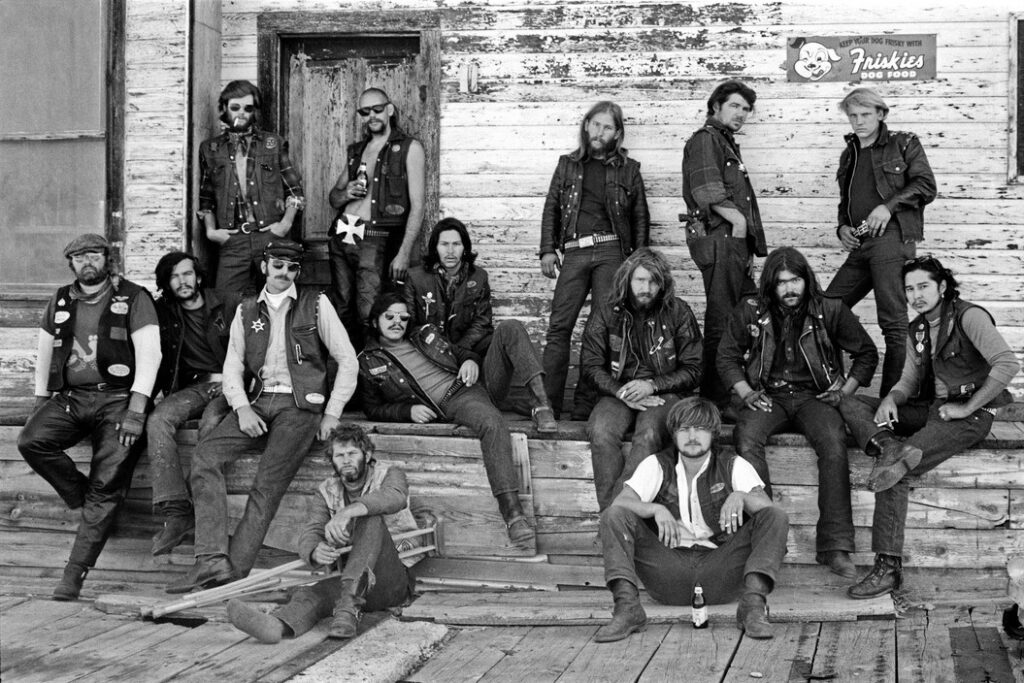
The post-war years marked denim’s transformation from workwear to a statement of youth, rebellion, and identity.
In the 1950s, Hollywood icons like James Dean and Marlon Brando immortalised denim in Rebel Without a Cause and The Wild One. Their jeans which was tight, defiant, and undeniably cool went ahead and became symbols of nonconformity. Teenagers embraced the look, schools and public spaces banned jeans as subversive. But the genie was out of the bottle.
During the 1960s, denim evolved into a badge of counterculture. Protesters, students, and hippies wore flared jeans and embellished their denim with embroidery, patches, and paint. For women, bell-bottoms and high-waisted silhouettes became symbols of sexual liberation and individuality.
Denim Gets Glamorous: The 1970s–1990s
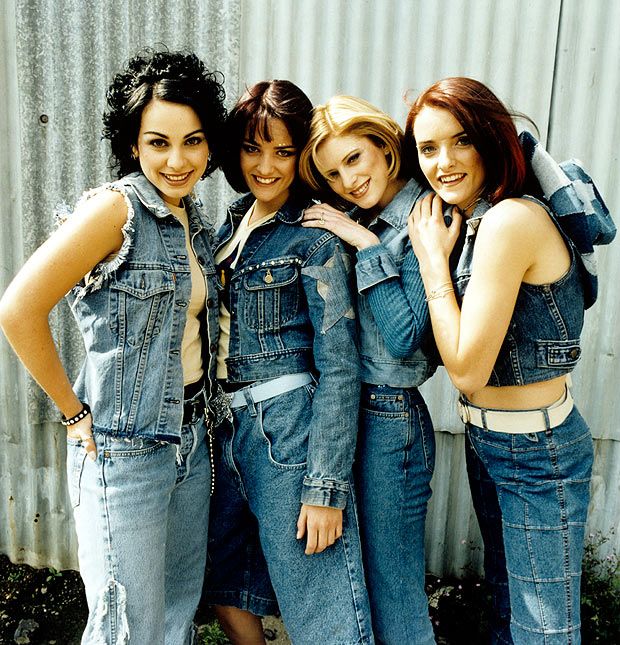
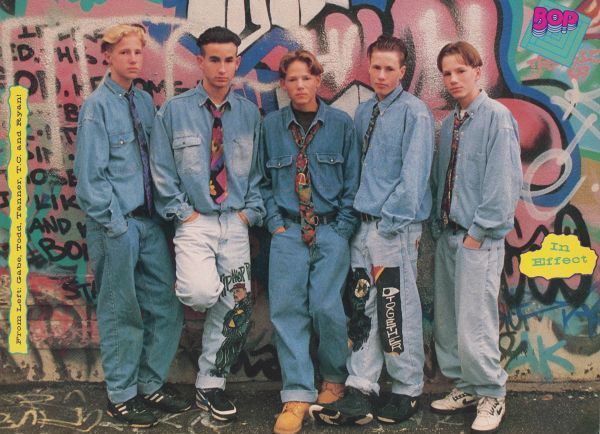
And soon as denim crossed oceans and subcultures, it shed its working-class image entirely.
- 1970s: Bell bottoms, embroidery, and psychedelic flair gave denim a bohemian makeover. Jean jackets and trousers were canvases for self-expression.
- 1980s: Designer denim entered the scene. Calvin Klein, Armani, and others introduced jeans as luxury fashion items. Acid-wash finishes, denim skirts, and skinny fits emerged. Adriano Goldschmied pioneered “premium” denim and the now-iconic stretch skinny jean.
- 1990s: Hip-hop and pop stars brought oversized, low-rise jeans and dungarees into the mainstream. Baggy JNCOs, boot cuts, and contrasting denim shades defined the decade. Brands like Tommy Hilfiger and Guess embraced denim as streetwear.
DIY and Designer: 2000s to Now
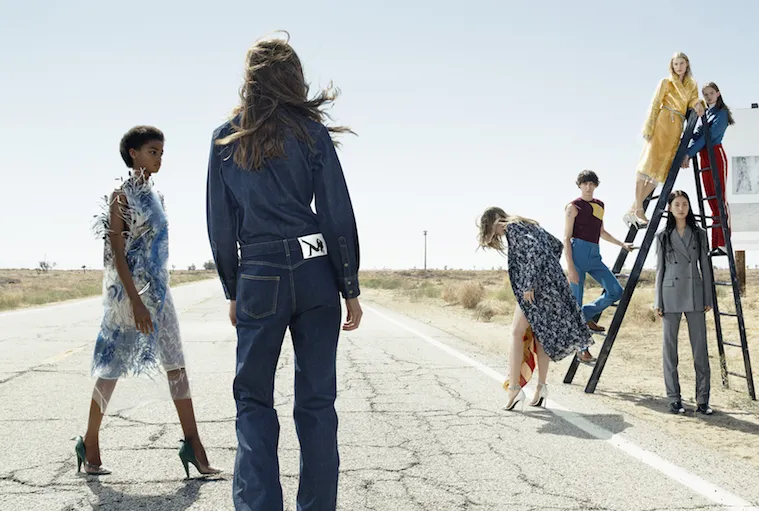
The 2000s were all about personalisation. Millennials embraced distressed, embroidered, or pieced-together DIY denim. Low-rise jeans were a Y2K staple, while high-rise skinny jeans followed close behind.
By the 2010s, nearly every style—flare, mom, boyfriend, skinny—had its moment. Raw selvedge denim gained cult status. Sustainability became the defining challenge and opportunity.
The Green Future of Blue Jeans
The denim industry has faced increasing scrutiny for its environmental impact, water consumption, chemical dyeing, and waste being major concerns. But the response has been bold and encouraging.
- Wrangler’s Icon Collection uses 20% recycled denim.
- Jack & Jones launched a low-impact range.
- Primark, often criticised for fast fashion, debuted jeans made from 100% sustainable cotton.
Premium brands like MUD Jeans, Citizens of Humanity, American Eagle and Calvin Klein are pioneering circular denim systems and using eco-friendly processes like laser distressing and ozone washing.
As Wrangler’s creative director Sean Gormley puts it: “You can’t call yourself a premium brand anymore unless your credentials are sustainable.”
Denim’s Legacy Lives On
From 19th-century mine shafts to 21st-century runways, denim has woven itself into the fabric of human history. It has clothed rebels, workers, icons, and dreamers. And while trends may come and go, denim always adapts and stays reinventing itself for every generation.