


Let’s get one thing straight: handmade isn’t free. And craft is not a favor you buy to feel good about your tote bag. It’s skilled, storied, generational labor, and it’s high time we started paying for it like it is.
In a world where “sustainable,” “slow,” and “ethical” have become the trendiest tags on the fashion rack, there’s a brutal irony at play: the very hands that stitch these slow stories are often running out of time and money.
Who’s Getting Paid for Handmade?
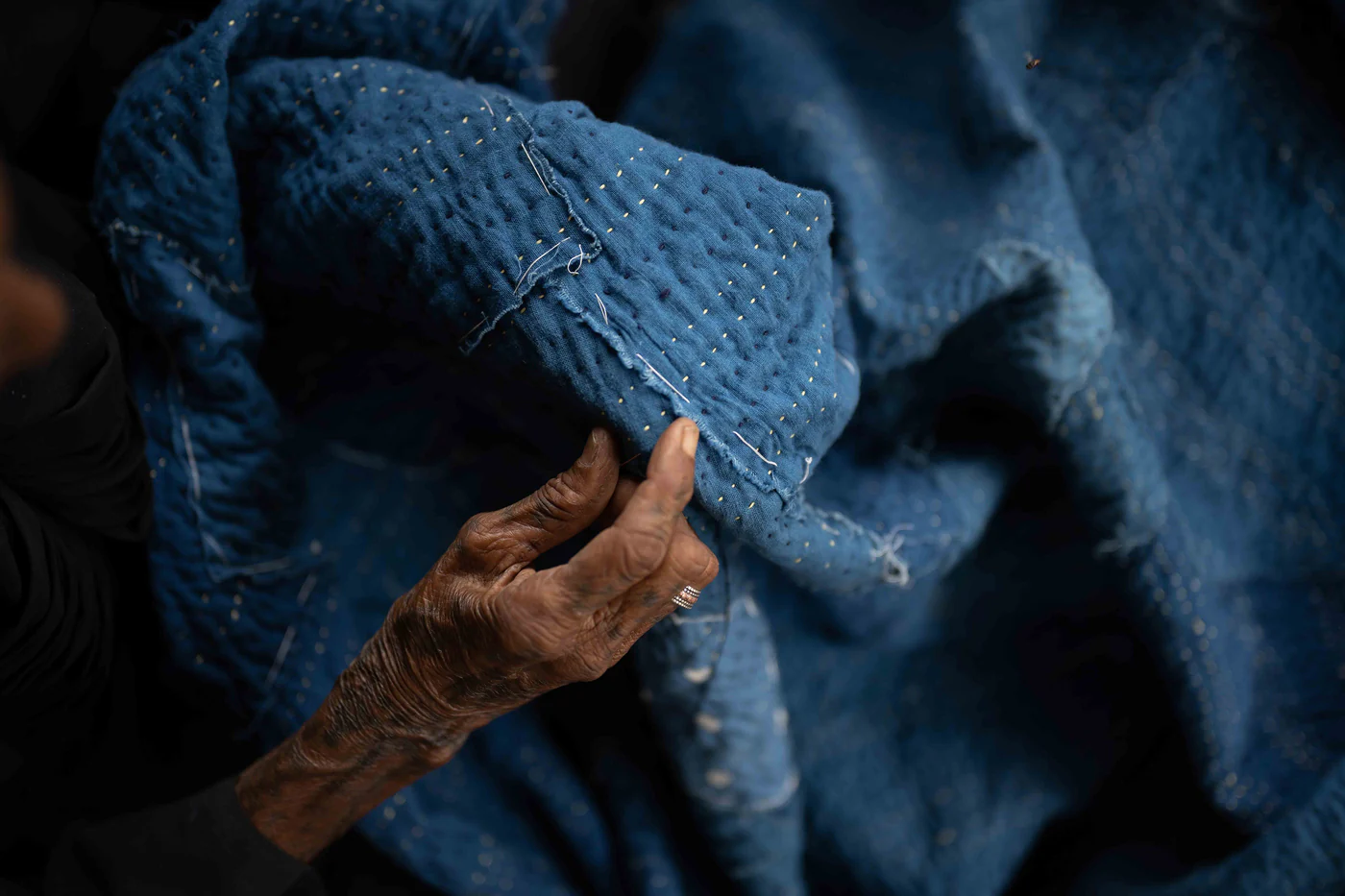
Let’s talk about the Kutch artisan whose mirror-work jacket is being sold for ₹18,000 by a designer label while she gets ₹400 a piece.
Or the embroidery karigar in Lucknow, whose fine chikankari takes days, even weeks and who earns less than what you spend on your cappuccino.
Meanwhile, the fashion house markets it as “heritage meets minimalism”, tags it #CraftRevival, and pockets the premium. This isn’t preservation, it’s polished exploitation.
“Supporting Artisans” Shouldn’t Mean Bare Minimums
Here’s the uncomfortable truth: artisans in India are not looking for pity, applause, or being cast as the poster child of someone’s NGO campaign. They’re demanding respect, resources, and real wages.
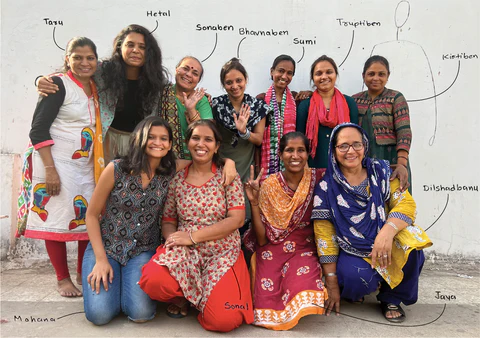
Craft is often romanticized as an act of devotion. And yes, there’s love and soul in the weave, but love doesn’t pay school fees or cover electricity bills. You can’t pay a weaver in Instagram likes.
If you love craft, value the person behind it.
The “Conscious” Fashion Industry Has a Selective Conscience
The western (and now, urban-elite Indian) fashion world has weaponized the word “conscious.”
Organic cotton, plant-dyed silk, carbon-offsetting is wonderful, but where’s the human offset?
- Who stitched that Ajrakh shirt?
- Did the Lambani embroidery artist get credit?
- Are the block printers of Bagru treated as collaborators or just “inputs”?
Truth bomb: You can’t be “conscious” without being fair. And you can’t claim sustainability while ignoring social equity.
Real “Conscious Fashion” Starts with Human Fairness
Let’s be honest: A plant-dyed cotton shirt that was handwoven by a rural artisan but sold at 50x the artisan’s pay isn’t ethical, it’s greenwashed elitism. We applaud a brand for using khadi but rarely question if the khadi spinner earned enough to send her kids to school. This is why consciousness without fairness is incomplete, because if you strip out the person behind the product, you’re left with a pretty shell of sustainability. Social equity means recognizing and correcting power imbalances in the system.
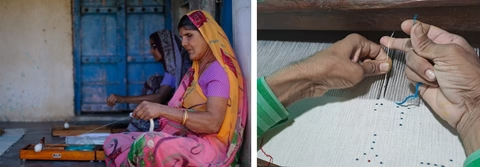
It means artisans aren’t just vendors, they’re co-creators. It means consumers are aware of who made what they wear, not just what it’s made of. It means brands build trust and transparency, not just aesthetics. If a product is “clean” for the planet but exploitative to the people, is it really clean? You can compost your packaging, but if the hands that stitched your shirt were paid ₹200 for two days of work, you’re still part of the problem.
Because conscious fashion isn’t about optics it’s about ethics.
And until the industry honors the hands behind the beauty, sustainability will remain half-baked
Labels Doing It Right (and Loudly)


Not all hope is lost. Some brands and collectives are actively flipping the narrative:
- RaasLeela Textiles (Kutch): Collaborates directly with Rabari and Meghwal artisans; each piece is co-designed, and artisans share design credits and profits.
- GoCoop: A platform that lets weavers and artisans directly sell their products, cutting out the middlemen and creating price transparency.
- Dastkar & Okhai: These collectives focus on capacity building, not just seasonal handholding. They offer design mentorship, fair pricing structures, and consistent work.
- 11.11/eleven eleven and Ka-Sha are consciously integrating artisans into the supply chain, not just as vendors, but as co-creators.
From Lip Service to Labor Justice
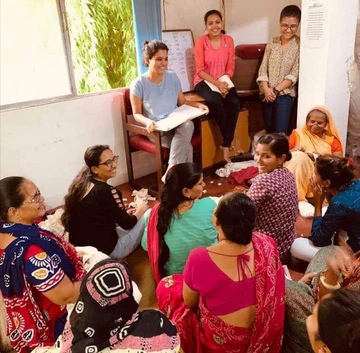
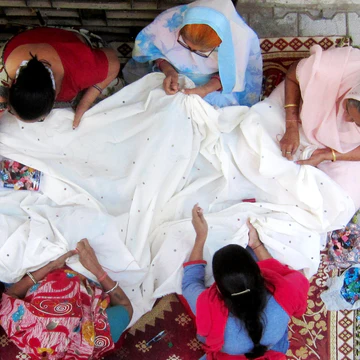
If we really want to “empower artisans,” we have to stop romanticizing poverty and start correcting power dynamics.
Fair trade isn’t cute. It’s not a marketing point. It’s the bare minimum.
- Include artisans’ names in product labels.
- Make wages public.
- Show who made your clothes.
- Let artisans decide their worth, not the PR intern in a glass cabin.
Craft doesn’t need charity. It needs contracts. It needs royalties. It needs decision-making power.
What Needs to Change? Everything.
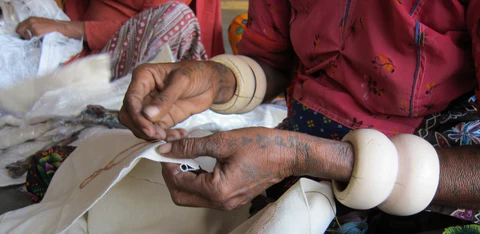
- Design Credit → Give co-authorship. Not just “inspired by tribal patterns.”
- Wage Transparency → Break down who earns what. Pay for time, skill, and originality.
- Long-Term Partnerships → Not seasonal campaigns that dry up post-Diwali.
- Storytelling → Tell the story right. Let the artisan speak, not the fashion blogger.
- Consumer Education → People will pay more if they know where their money’s going.
Craft is culture. Craft is climate-smart. Craft is timeless design.
But above all, craft is labor.
And labor deserves pay, not pity.
So, the next time you hold a handwoven scarf or admire a Kantha quilt, ask not just “Is this beautiful?” but also:
“Is this fair?”



Thank you so much for raising your voice on this matter. This is seriously one of the most ignored issues in our country. So good to see that there are righteous people like you who really care about pain of our people. This topic has bothered me since I read a chapter called- ‘a shirt in market’ in ncert books. Hopefully in future we will have a more sustainable and just labour enforcement around the world and our country. It was a good read.
I for all time emailed this weblog post page to all my contacts, as if like to read it then my friends will too.
Woah! I’m really enjoying the template/theme of this blog.
It’s simple, yet effective. A lot of times it’s very
hard to get that “perfect balance” between superb usability and appearance.
I must say that you’ve done a superb job with
this. Also, the blog loads super fast for
me on Internet explorer. Superb Blog!
hey there and thank you for your info – I have definitely picked up
anything new from right here. I did however expertise a few technical issues using this site, since I experienced to reload the website lots of times
previous to I could get it to load correctly. I had been wondering if your web host
is OK? Not that I’m complaining, but slow loading instances times will very frequently affect
your placement in google and can damage your high quality score if advertising and
marketing with Adwords. Well I’m adding this RSS to my email and can look out
for much more of your respective fascinating content.
Make sure you update this again soon.
Informative article, totally what I was looking for.