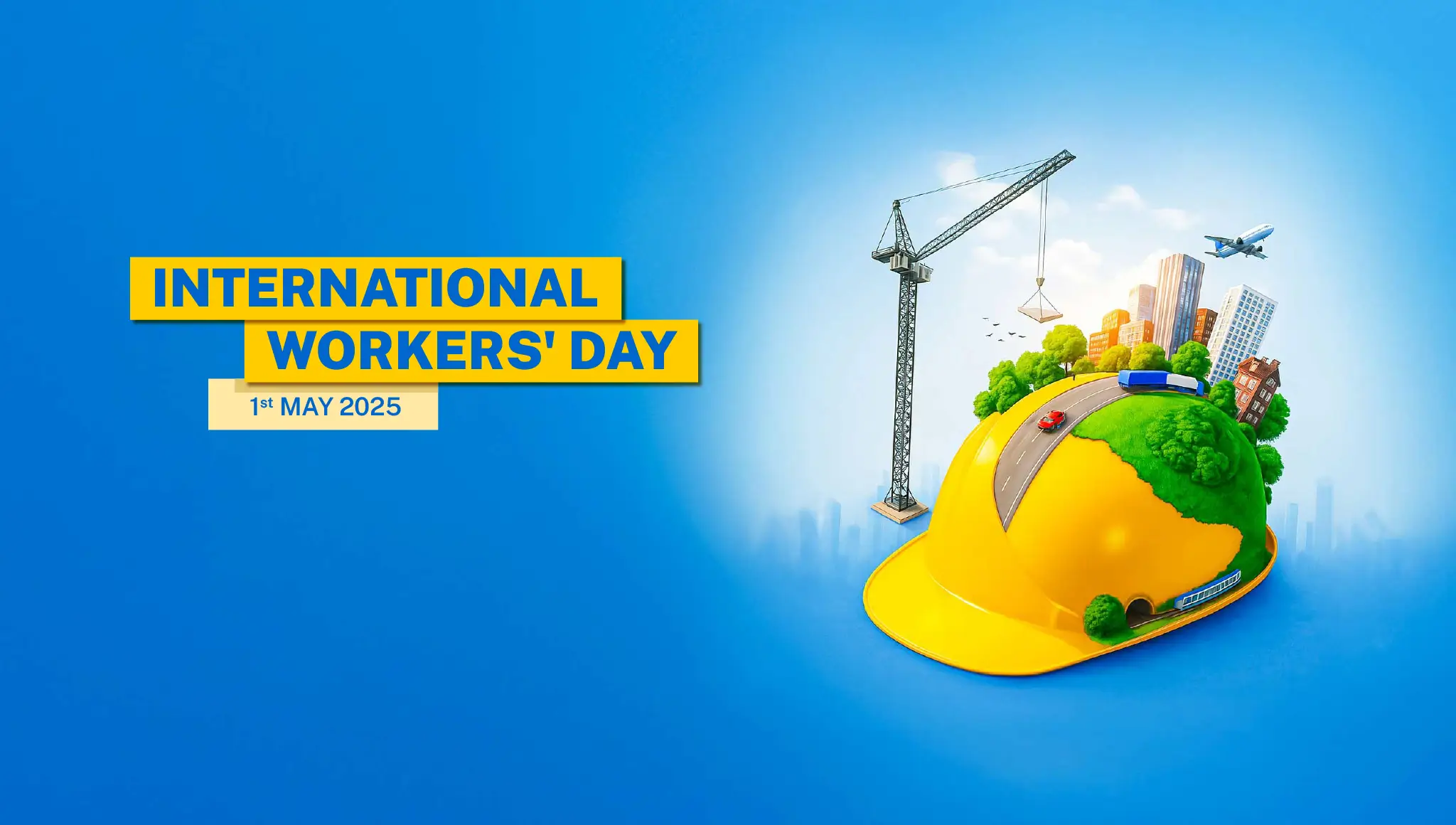
On May 1 , workers across the globe join hands to celebrate International Labour Day or May Day , marking the incredible labour movement and struggles that have shaped the future of workers worldwide today. This day resonates with Marx’s clarion call to workers and labourers- “Workers of the world unite…you have nothing to lose but your chains”. As we celebrate May Day today, let’s look at the history that culminated to a society of improved wages, decent working hours, safe working conditions and an ability to voice dissent.
It’s history dates back to late 1880s , when workers working for prolonged hours, almost close to 12 hrs and seven days a week staged wide-spread protests across US , primarily at Haymarket in Chicago , demanding fair wages, reducing working hours to 8 and appropriate working conditions. Three days later, a bomb went off killing 7 police officers and 4 civilians. This bloody showdown came to be known as “The Haymarket Massacre” with four agitating union leaders held and some of them executed. That day the world bore witness to an episode that changed the fate of workers forever.
This year’s theme for Labour Day is “Safety and Health at Work : The Role of AI and Digitization” . With rampant digitization and use of AI in everyday work, this theme underlines the benefits of using digital tools and AI for easing our day-to-day responsibilities and ensures safety and health standards are maintained at par with the ideal standards. The Indian government with the goal of digitization launched the e-shram portal for creating a national database for the unorganized sector.
ARE WORKERS DULY RENUMERATED ?
The abysmal state of informal sector highlights the continuing challenges that self-employed or contract workers continue to face. With over 92 percent of the 465 million workforce globally being unorganized, inhumane working conditions, round the clock toil and ailing safety standards is the reality of today’s workforce.
International Labour Organization, wing of the United Nations, ensures “promoting social justice and internationally recognized human and labour rights, pursuing its founding mission that social justice is essential to universal and lasting peace”. ILO globally aims to obliterate the evils of forced labour, child labour which plagues the unorganized and unregulated workforce.
Reports suggest that child labour or forced labour are the products of a world obsessed with cheap labour. In this age of fast-fashion, children in South Asian countries like Bangladesh are employed at ‘sweat shops’ to work for top global fashion brands at rate below the minimum wage. Workers are exploited and forced to work in precarious settings, without proper safety training and health insurance.
“This Labour Day 7.8 Million workers should be laid off”. “In a country with 35.6 million unemployed adults, there are 7.8 million children working. Let the adults do the work and let the children go to school”– The Hindu
Problems facing unorganized sector
According to Oxfam, the plight of workers lies in –
(1) Long working hrs- not duly remunerated
(2) precarious work
(3) wages below legal minimum
(4) lack of paid leave
(5) Lack of access to healthcare and social benefits
(6) Lack of safety trainings
Legal actions
Domestic governments across the globe take necessary legal measures to ensure safety standards , industry standard wage, pension, leave , social benefits etc. In India, its constitution guarantee against child labour and forced exploitation under Article 23 and 24. Occupation safety and Health Code is issued by nations to prevent hazardous working environment and protects against occupational diseases.
Where do women stand?
Male-dominated formal sector and women driven are deeply troubled the glaring pay disparity based on gender wherein the female counterpart continues to be underpaid despite doing the same work and possessing the same or in some instances better skills than its male counterpart. Women collectively across the globe have taken to international forums to voice their concerns of gender discrimination at workplaces, pay difference vis-à-vis their male colleagues, sexual harassment, leave without pay during maternity period etc and have called for stringent measures.