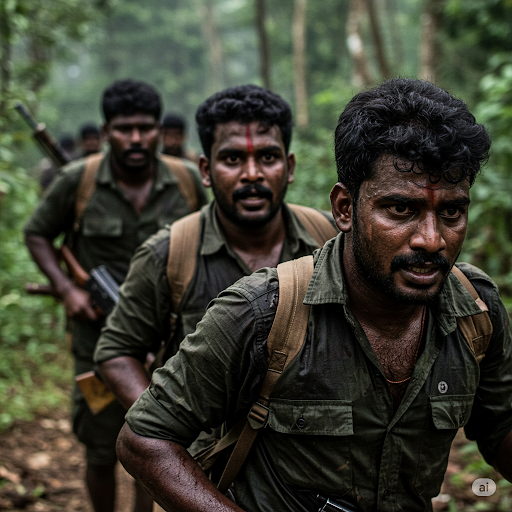
The Liberation Tigers of Tamil Eelam (LTTE), also known as the Tamil Tigers, was one of the most prominent and controversial militant organisations in South Asia during the late 20th and early 21st centuries. Founded in 1976 by Velupillai Prabhakaran, the LTTE aimed to create an independent Tamil state called Tamil Eelam in the north and east of Sri Lanka. The group’s rise, activities, and eventual fall reflect a deeply complex history of ethnic tensions, armed rebellion, and geopolitical consequences.
Origins and Background
Sri Lanka, an island nation in the Indian Ocean, has long been home to two main ethnic groups: the Sinhalese majority and the Tamil minority. Post-independence from British colonial rule in 1948 saw the increasing marginalisation of Tamils, especially in education, employment, and political representation. This discrimination, combined with growing Sinhalese nationalism, sowed the seeds of Tamil discontent.
The 1956 Sinhala Only Act, which made Sinhala the sole official language, significantly alienated Tamils. Peaceful protests and political negotiations failed to bring about meaningful change. By the 1970s, Tamil youth, frustrated with the political process, began turning to militancy. It was in this context that the LTTE was formed in 1976 with the explicit goal of creating an independent Tamil homeland through armed struggle.
Rise of the LTTE
Led by the charismatic and ruthless Velupillai Prabhakaran, the LTTE quickly gained notoriety for its discipline, organisational skill, and commitment to its cause. It began as one of several Tamil militant groups but gradually eliminated or absorbed its rivals, establishing itself as the dominant force in the Tamil resistance.
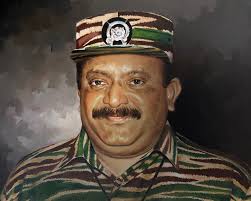
The LTTE carried out its first major attack in 1983, ambushing a Sri Lankan army convoy and killing 13 soldiers. This event triggered anti-Tamil riots across the country, known as “Black July,” during which thousands of Tamils were killed and many more displaced. These riots marked the beginning of Sri Lanka’s brutal civil war, which would last more than two decades.
Tactics and Organisation
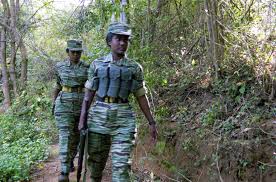
The LTTE became infamous for its innovative and often brutal tactics. It pioneered the use of suicide bombers and developed an elite unit known as the Black Tigers for high-profile assassinations and attacks. The LTTE also built a formidable military structure, including a navy (Sea Tigers), an air wing (Air Tigers), and a well-trained ground force.
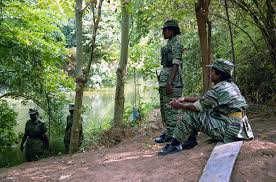
The organisation was a military entity and operated as a de facto government in areas it controlled. It ran schools, hospitals, and a police force. The LTTE established courts and tax systems and even issued its own currency in some territories.
One of the most controversial aspects of the LTTE was its recruitment practices, including the use of child soldiers. Though it claimed to protect Tamil civilians, it often conscripted youth and enforced harsh discipline.
International Involvement and Funding
The Tamil diaspora played a crucial role in financing the LTTE. Funds were raised through donations, legal businesses, and, at times, extortion. The LTTE also engaged in illegal activities, including drug trafficking and arms smuggling.
India initially supported Tamil militants, including the LTTE, in the 1980s due to cultural and political ties with Sri Lankan Tamils. However, this relationship soured when the LTTE assassinated former Indian Prime Minister Rajiv Gandhi in 1991, allegedly in retaliation for his decision to deploy the Indian Peace Keeping Force (IPKF) in Sri Lanka, which clashed with the LTTE. After the assassination, India banned the LTTE and labelled it a terrorist organisation—a status later adopted by the U.S., the U.K., and the European Union.
Key Incidents and Attacks
The LTTE was involved in numerous high-profile attacks, including:
- Assassination of Rajiv Gandhi (1991): Carried out by a female suicide bomber, this was one of the most significant and shocking political assassinations in modern Indian history.
- Assassination of Sri Lankan President Ranasinghe Premadasa (1993): Another suicide bombing further underscored the LTTE’s reach and deadly precision.
- Central Bank Bombing (1996): A truck bomb attack in Colombo that killed nearly 100 people and injured over 1,400, showcasing the group’s ability to target economic symbols.
- Elephant Pass Battle (2000): One of the largest conventional battles fought by the LTTE, resulting in a major defeat for the Sri Lankan military and a temporary shift in territorial control.
Peace Efforts and Collapse
Despite the prolonged violence, there were multiple attempts at peace. Ceasefires were signed in 1995 and again in 2002, the latter brokered with Norwegian assistance. However, both efforts failed due to mistrust, continued hostilities, and political changes in Sri Lanka.
By 2005, Mahinda Rajapaksa was elected president of Sri Lanka on a platform of defeating the LTTE militarily. The Sri Lankan government launched a full-scale military offensive in 2006. By 2009, the Sri Lankan Army had recaptured all LTTE-held territory.
In May 2009, the Sri Lankan military killed Prabhakaran and several top leaders in the northern town of Mullaitivu. The government declared victory, marking the official end of the civil war.
Aftermath and Legacy
The defeat of the LTTE brought an end to a conflict that claimed over 80,000–100,000 lives and displaced hundreds of thousands. However, the final phase of the war has been widely criticised for alleged human rights violations and war crimes, including the shelling of civilian areas and summary executions.
The post-war years have seen relative peace, but reconciliation remains elusive. Tamil grievances over political autonomy, missing persons, land rights, and justice for wartime atrocities continue to fuel tensions. While the LTTE no longer exists as a military force, its legacy endures in the collective memory of Sri Lankan Tamils and ongoing diaspora activism.
The LTTE’s story is a cautionary tale of how ethnic marginalisation, if left unaddressed, can escalate into violent separatism. It also highlights the dangers of militarised ideologies and the devastating human cost of prolonged conflict.
Conclusion
The Liberation Tigers of Tamil Eelam was one of the most formidable insurgent movements in modern history. With its rigid structure, deadly tactics, and vision of Tamil nationalism, the LTTE redefined asymmetrical warfare in South Asia. Its defeat brought an end to decades of bloodshed but left behind a complex legacy of trauma, unresolved grievances, and questions about justice and reconciliation in post-war Sri Lanka.