Let’s begin by reflecting upon a very simple question! When do you recall the last time thinking about the ocean? Unless you live by the coast or just came back from a beach vacation, there are high chances it hasn’t cross the back of your mind.
But a point to be noted is that even if you live thousands of miles away from the sea or have never set a foot on a beach, the ocean is working at every miniscule second to keep you alive. That’s true! There’s work going on continuously behind the scenes.
Recognizing the ocean’s essential role, we celebrate World Oceans Day on June 8 every year, with this year’s theme being “Wonder: Sustaining What Sustains Us”.
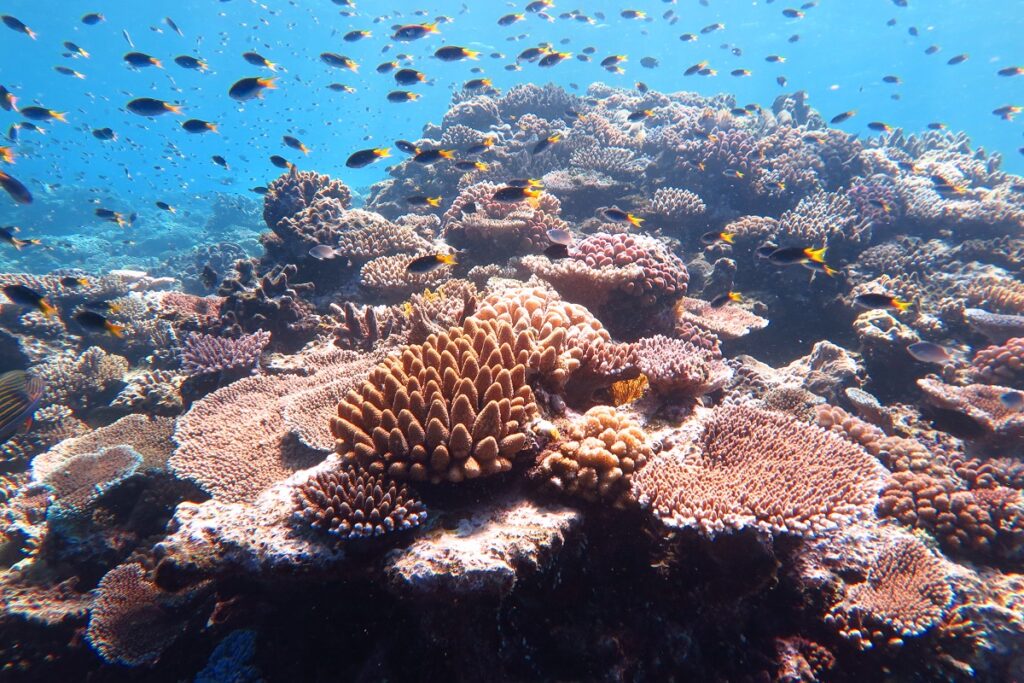
The ocean is truly a wonder. It’s not just a backdrop for Insta reels, for scuba diving or fancy cruises. It’s also not just about the waves, whales or coral reefs. The ocean is quite literally the lifeblood of our planet Earth.
OCEANS: Our Planet’s Heartbeat, Our Lifeline
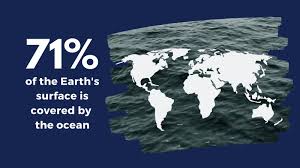
We have all learned in our geography classes but often forget how much of the Earth is actually ocean. Approximately about 71% of the planet’s surface is covered by it and roughly 97% of all water we have is in the form of oceans. Now that’s a lot of blue!
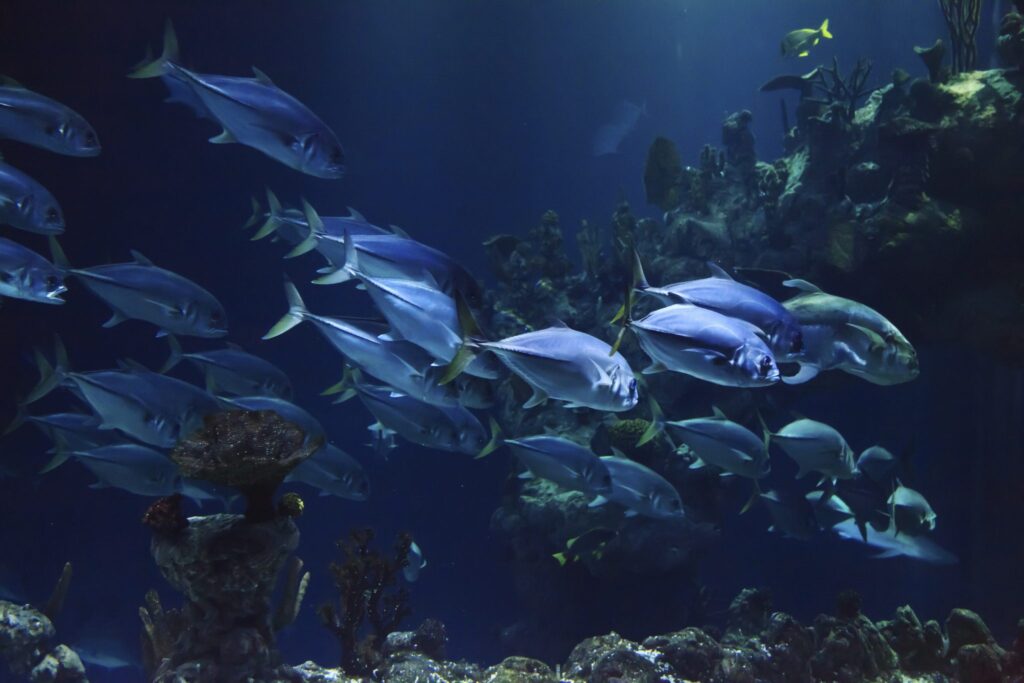
But it’s not just water. It’s life. Scientists estimate millions of species to be living underneath the ocean, many of which haven’t even been discovered yet. It’s like an entire universe beneath the surface. According to the World Register of Marine Species, about 242,000 marine species have been identified and recorded till now.
More than 50% of the oxygen we breathe actually comes from tiny ocean plants like phytoplankton. In simple words, it means for every second breath you take, thank the ocean. It also helps regulate the Earth’s climate, absorbs nearly a third of the carbon dioxide we release into the air, and supports the food chain for billions of people worldwide.
The ocean is also a major “carbon sink” absorbing the carbon dioxide we breathe out into the atmosphere. So, to sum it up, the ocean is among the formidable life-support systems of our planet.
And let’s not forget the human side: billions of people depend on the sea for food, jobs, and transportation. The ocean is not just a part of our nature, but the foundation upon which our survival rests.
8th JUNE: A Call for Our Oceans
World Oceans Day serves as a moment to pause and pose a question to ourselves: How exactly are we treating the ocean?
June 8 is not just another date on the 365-day calendar but a reminder to recognize the ongoing relationship of living beings with the ocean.
The idea to celebrate the day first gained traction in the transformative decade of 1990s, subsequently being formally recognized by the United Nations in 2008. Since then, June 8 has become a day when people across the globe and ages, from pioneering scientists to young school kids, from adventurous divers to thalassophiles, join hands for our oceans.
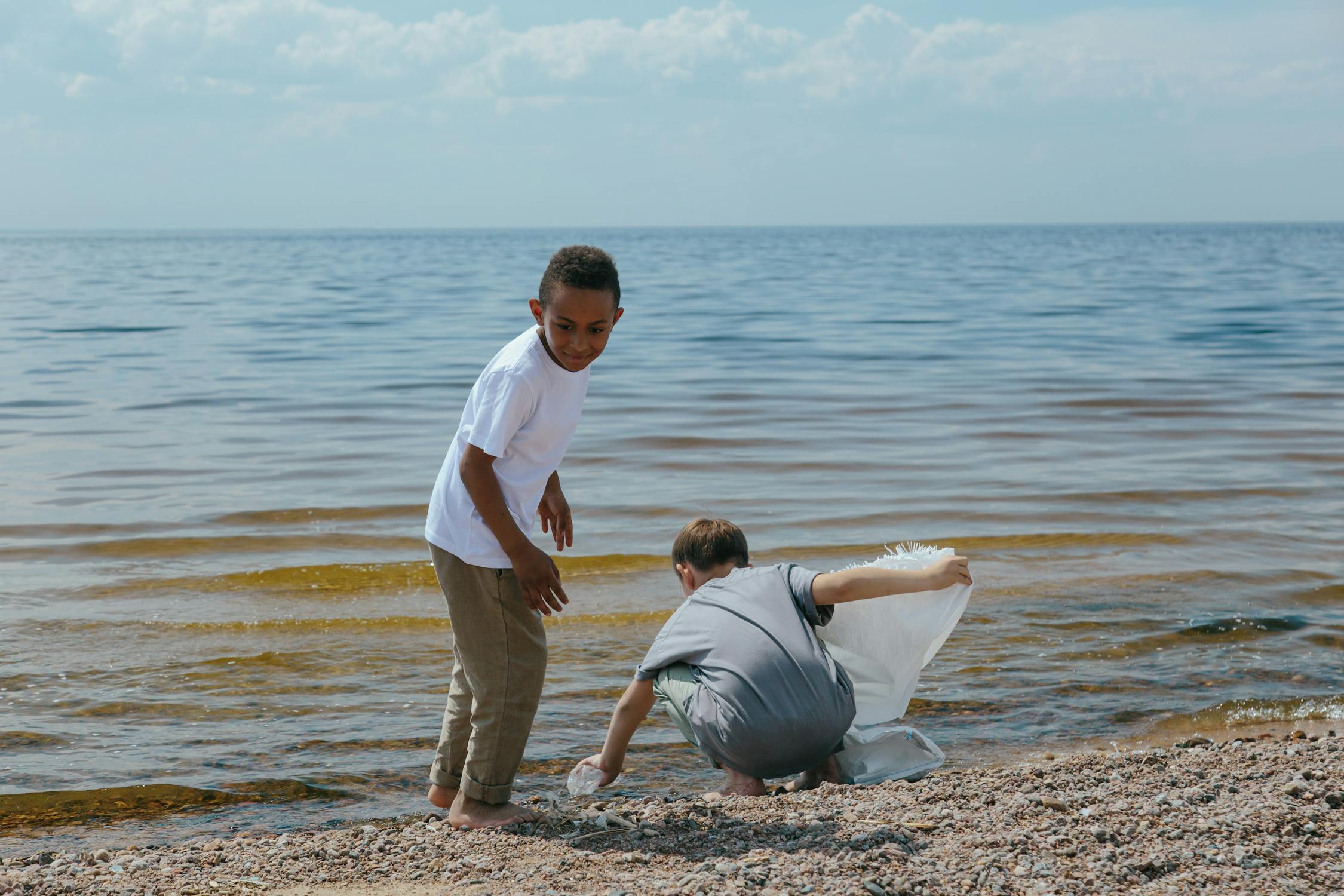
From international conferences to local beach cleanups, films screenings to happy hours, this day is often celebrated by taking part in activities celebrating our vast body of H20, no matter how big or small.
The Oceans Being Wounded by Human Hands?
But here’s an uncomfortable question: are we, as humans, asking too much from the ocean? And if so, what could be the potential consequences? Some issues that are already visible in front of our eyes include:
- Plastic Pollution: Millions of tons of plastic is tossed out each year and a shocking amount of it ends up floating in the ocean, harming marine life. Either animals eat it or get tangled within it.
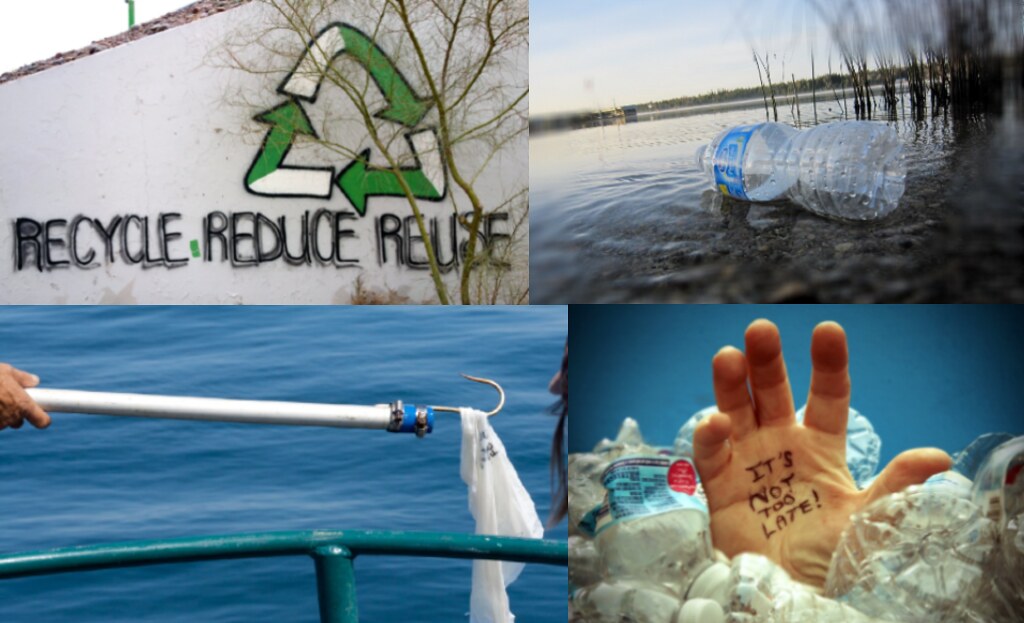
- Climate change: The oceans are being heated at an alarming rate causing bleaching of the coral reefs and death of marine species, leading to ocean acidification. The extreme weather conditions that we experience goes hand in hand with rising water temperature. And the rising sea levels! Do they threaten our coastal towns and cities? Of course.
- Overfishing: This may not be talked about enough, but it is an enormous issue. Many species can’t reproduce fast enough to keep up with the rate they are being caught. And this surely does affect the marine ecosystems and people who rely on seafood for basic sustenance.
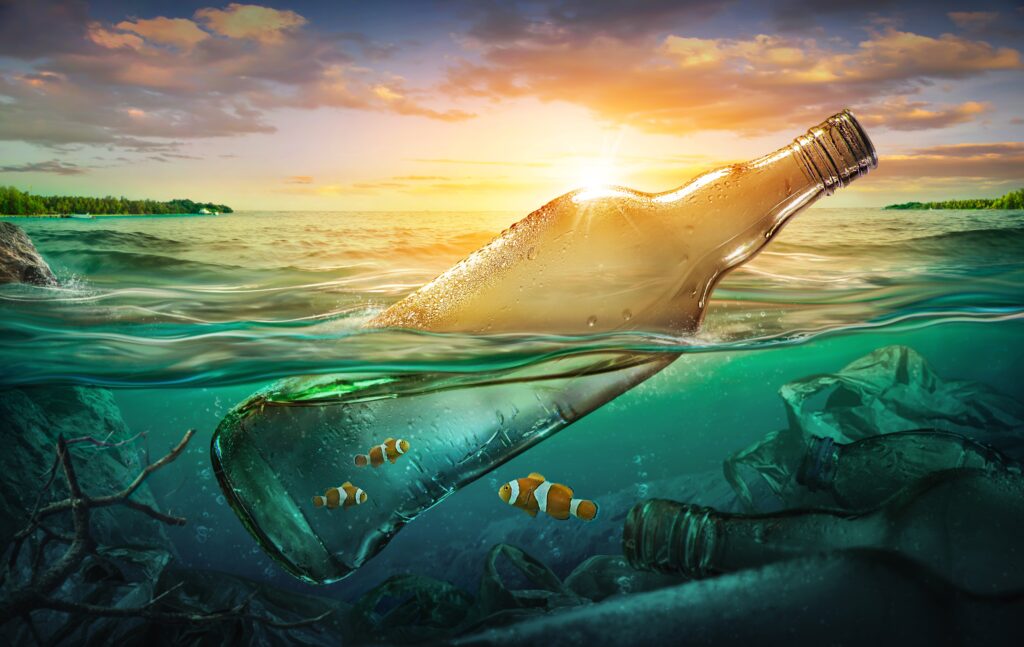
- Habitat destruction: Mangroves are being cleared, coral reefs being damaged and seabed’s being torn up by fishing nets. Perhaps it’s not unlike deforestation, but beneath the water’s surface.
“Salt on skin, wind in hair: small reminders that the ocean isn’t far away, but always near, always part of us.”
The oceans don’t just carry ships. They carry stories, cures, and the breath of tomorrow. They shape the land gently, slowly like its’s writing poetry in sand. The ocean endlessly blankets our planet in its beautiful depths, like a mother with her womb, and weaves us into its rhythm eternally, always present.