

The occurrence of infection began in mid-August, when a nine-year-old girl was admitted to the hospital in Kozhikode, Kerala, after getting a fever, which led to her death on August 14, 2025. Since then, several people have started catching the almost fatal amoebic meningoencephalitis.
As per the latest update by the Directorate of Health Services (DHS), 66 people have been reported to have Amoebic meningoencephalitis, out of which 17 have died.

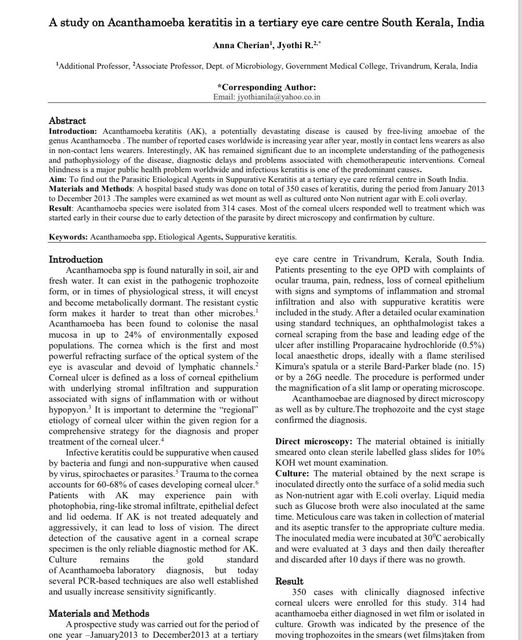

Given the high fatality associated with this disease, the health authorities of Kerala are on high alert as multiple cases of Primary Amoebic Meningoencephalitis (PAM) have been reported. This disease needs high surveillance, continuous vigilance, strict IEC measures and environmental sampling.
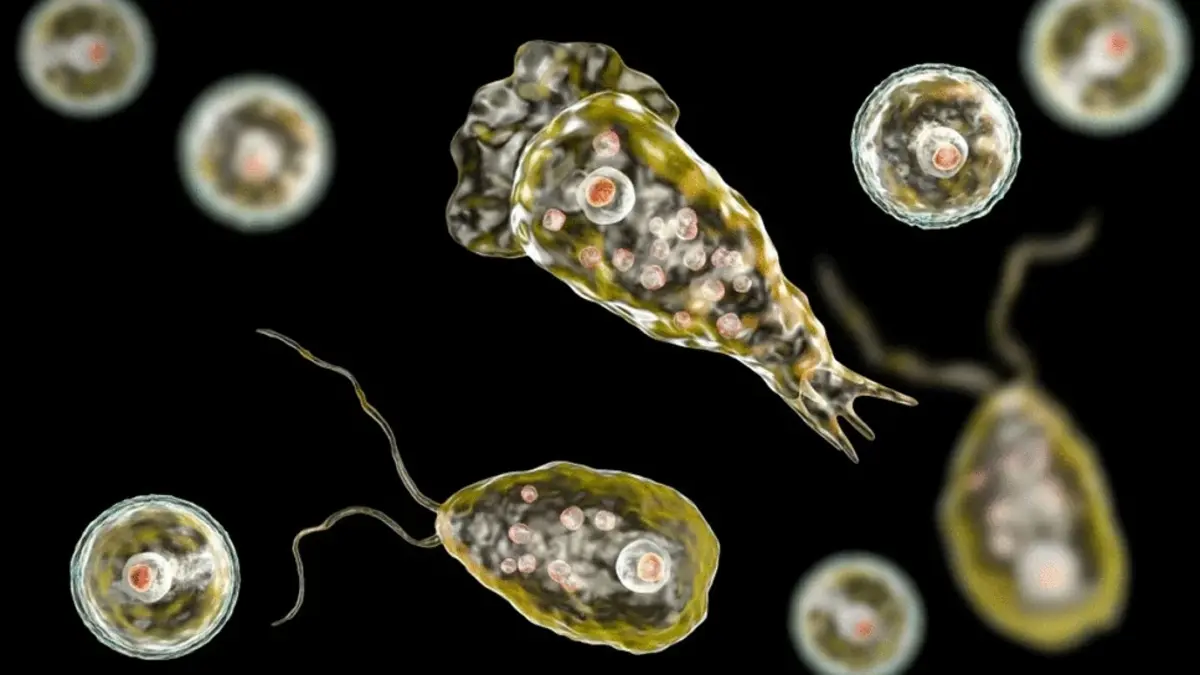
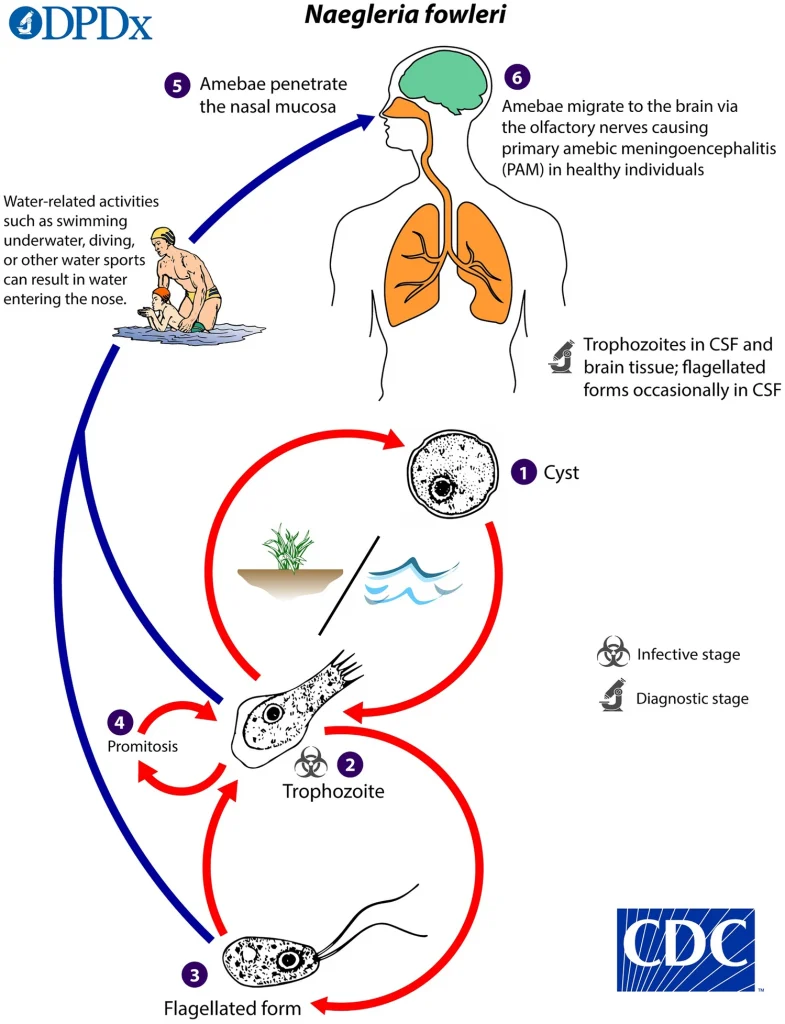
PAM is an untreated water or warm freshwater-dwelling amoeba. It belongs to the Naegleria family, but only the Naegleria fowleri species causes this disease.

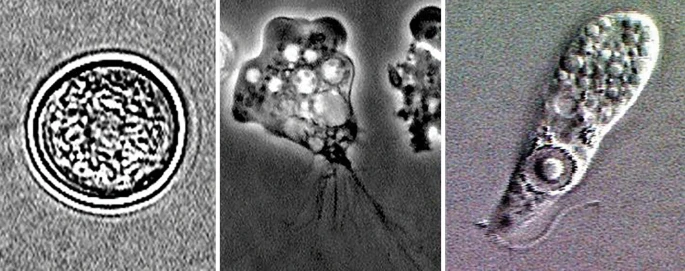
N. fowleri can vary in size from 8 μm to 15 μm depending on its life stage and habitat. It reproduces through cell division and can turn into dormant cysts when the conditions are unfavourable. When the condition becomes suitable, they develop into their feeding form- trophozoites.
HOW DO THEY INFECT
They usually feed on bacteria, but when they enter humans through the nose via contaminated water, they feed on the brain. They follow the path along the olfactory nerves, pass the cribriform plate and reach the central nervous system (CNS).

Places to avoid during PAM surge:
- Mud holes
- Rivers with warm currents, especially those with low water levels
- Untreated well water or municipal water supply
- Hot springs
- Warm ponds, lakes and rock formations
- Swimming pools and spas where the water is untreated
- Aquatic parks or play areas for kids containing water.
Symptoms to look for
Seizures, coma, changed state of mind, fever, nausea, vomiting and loss of appetite. There are also chances of drooping eyelids, hallucinations, loss of taste and blurred vision.
A plausible cause for N. fowleri could be climate change, as this organism grows best in warm climates. The connection between climate change and these infections can be due to an increase in temperature in the past decade; the presence of these organisms has also increased in the atmosphere. Even a small change in the equilibrium of the atmosphere can give rise to a significant infection rise.
Chances of cure
If diagnosed early, the patients can go under treatment, and although the fatality rates are high, there can be chances of survival. One such case was seen in a 17-year-old student who got infected by both amoeba and fungus. And after proper treatment and surgeries, his infection was cured, as stated by the Kerala health minister Veena George.
The state government has taken several measures to spread awareness about this disease. Like chlorination wells and public bathing places, cleaning the pond, and placing caution signs around hazardous water bodies.
Labs in Kerala have been set up to test free-living amoebae using techniques like real-time PCR and genomic sequencing to catch early cases.


