


For generations, it has been the men who have ruled the film industry both on and off screen. In the early days, they even dressed up as women to play the female roles and further went on to command sets that are largely run by men. Yet, every so often, an iron-willed woman emerges who chooses to challenge the boundaries and prove that vision has no gender. These women not only fiercely lead the set but bring out stories that carve a permanent place for them in history. With immense dedication and passion for storytelling, these women bring stories to life such that anyone watching the film automatically falls in love with each frame of it.
- Sai Paranjpye: The Woman Who Dreamed Ahead Of Her Era

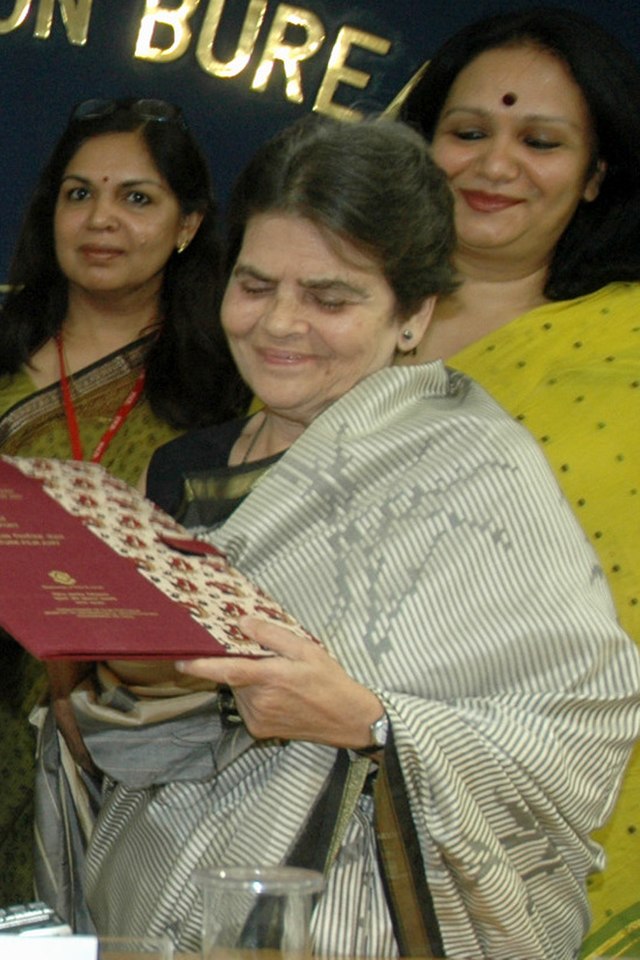
Sai Paranjpye stands as a living proof that great vision indeed doesn’t need gender. A trailblazer in Indian Cinema, she managed to awe everyone with her fantastic directorial vision and stories that were far too ahead of their time. Known for her out-of-the-box stories, Sai Paranjpye leaves her mark on anyone who comes across her masterpieces. With her exceptionally unconventional style, she managed to carve a niche that continues to inspire many even today.
With 4 National Awards, 2 Filmfare Awards and being honored with the Padma Bhushan in 2006 in recognition of her artistic talents, Sai Paranjpye has gifted Indian Cinema absolute gems like Sparsh, Chashme Baddoor, Disha and many more. Not only that, her books take us all to an enchanted land of fairies and princesses, delighting everyone, be it children or adults. Her plays in Marathi, Hindi and English, too, are nothing short of phenomenal.

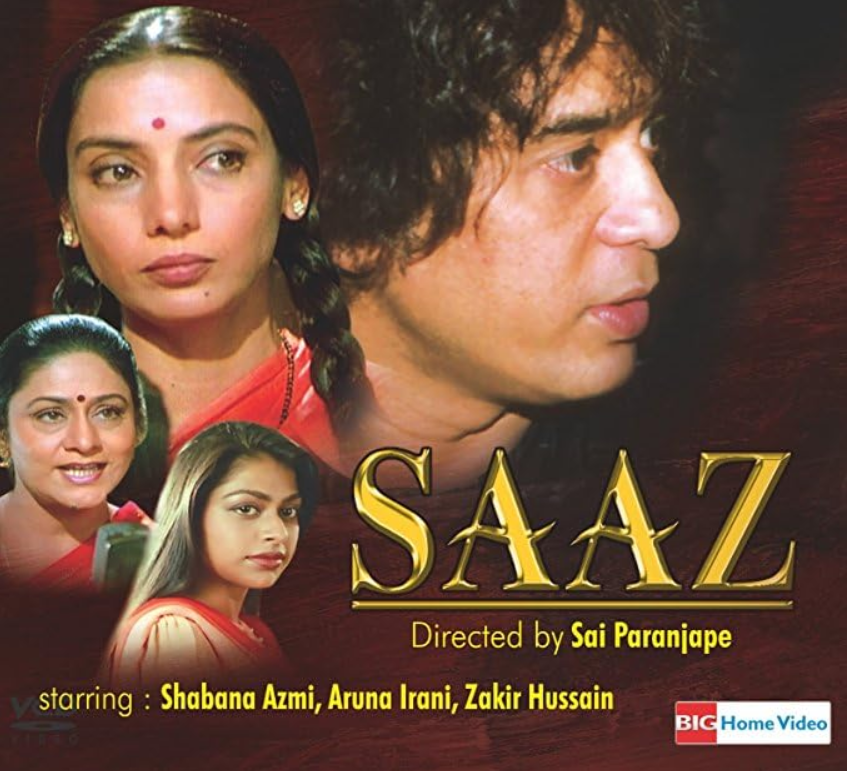
Her film Saaz (1998) is, however, the one that really manages to leave a mark on anyone who watches it. An unconventional storyline that broke boundaries, Saaz explored the depths of human emotions and touched on topics that any other filmmaker would choose to avoid. Pranajpye, being the fearless director that she is, handled sensitive topics exceptionally well in this film. At a time when women were stereotyped to be kind and sensitive, Paranjpye showcased the raw and real feelings of jealousy, anger and anguish, beautifully elaborating the different strokes of womanhood.
2. Zoya Akhtar: Bold, Brilliant And Iconic


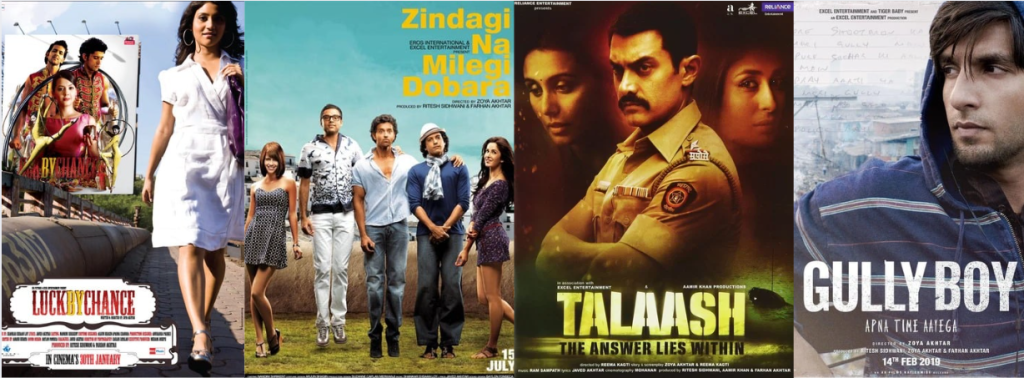
Zoya Akhtar, a voice of contemporary Indian cinema, has managed to create waves all around the globe. An exceptional writer and director, Akhtar is known for her unique style of direction that is bold with nuanced and layered characters and performances. From intimate urban tales like Zindagi Na Milegi Dobara to the ensemble-driven Gully Boy, Zoya Akhtar can do it all. Her stories tend to push the boundaries of storytelling and explore the complexities of modern life. Her distinctive voice and her outstanding performances make her as iconic as she is and inspire many upcoming filmmakers and audiences alike.
One of the reasons why Zoya Akhtar’s work consistently stands out is her ability to craft characters that are extremely nuanced and layered. She doesn’t try to fit them into stereotypical boxes and instead touches multiple, core human emotions and lets them bleed freely on screen. Be it Sona Mishra from Luck By Chance or Ayesha Mehra from Dil Dhadakne Do, or Rosie from Talaash, each and every character has a unique personality and a wide range of emotions. No character is completely black and white, which only adds to the emotional depth of the storyline.
Her excellent filmography has won her many accolades, not just in India but globally. With about 6 Filmfare awards, 1 Emmy nominee and international recognition with world premieres at both the Festival de Cannes and Berlinale, Zoya Akhtar has left her mark not just in India but around the globe as well.

3. Gauri Shinde: Master Of Nuanced, Women-Centric Storytelling
Another strong voice of contemporary Indian Cinema, Gauri Shinde, with just a few movies, managed to garner immense praise and love from all. Films, with each and every frame touching the audience’s heart and resonating with them, Gauri Shinde manages to bring forth the emotions that lie dormant in our hearts and portray them beautifully on the silver screen. Through her movies, she has become a voice for women, with most of her movies splendidly showcasing the strength, grit and resilience that women possess.

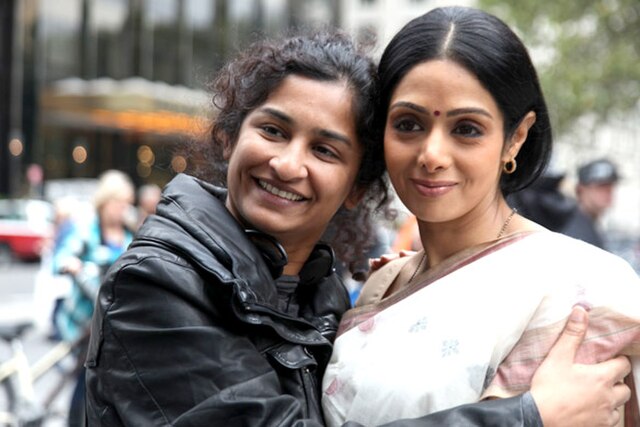
Her debut English Vinglish is a true testament to her talent. The way she managed to showcase Shashi’s helplessness and the courage she gathered to overcome all hurdles was truly exceptional. The subtle yet powerful symbolism throughout the movie, the simplicity of the characters and storyline and of course the phenomenal cast make the audience want to revisit this fantastic film over and over again. Gauri Shinde’s ability to make the audience feel the warmth of their own homes while watching the film is what truly makes it a masterpiece.
4. Konkona Sen Sharma: A Storyteller That Redefined Realism
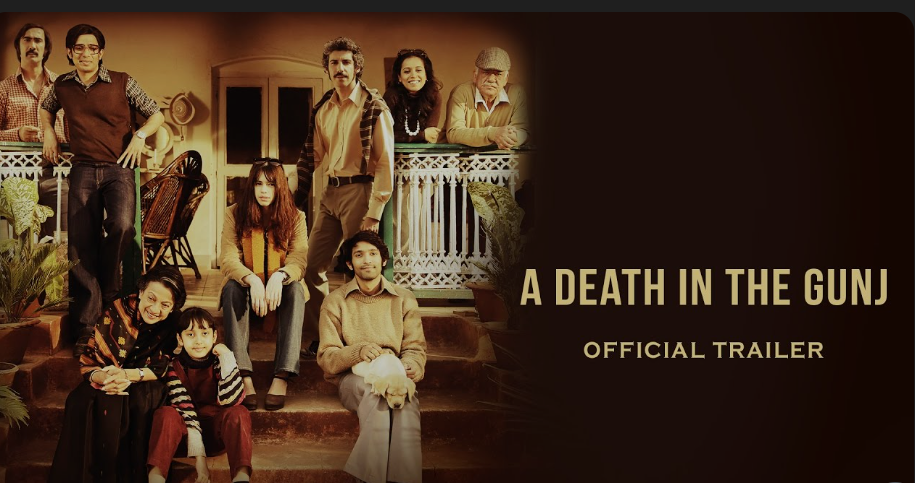
Konkona Sen Sharma has carved a niche for herself not only as one of India’s most acclaimed actors but also as a filmmaker with a rare sensitivity for layered, human stories. Her directorial debut, A Death in the Gunj (2016), set in late-1970s McCluskieganj, is an exploration of masculinity, fragility, and the silent struggles of an introverted young man. The film’s slow-burn narrative and atmospheric detail showcased Konkona’s ability to weave tension and tenderness without resorting to melodrama, earning her the Filmfare Award for Best Debut Director.

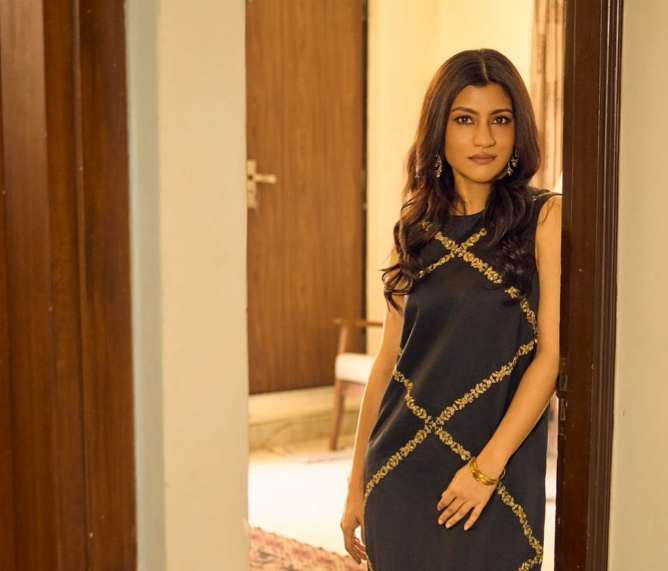
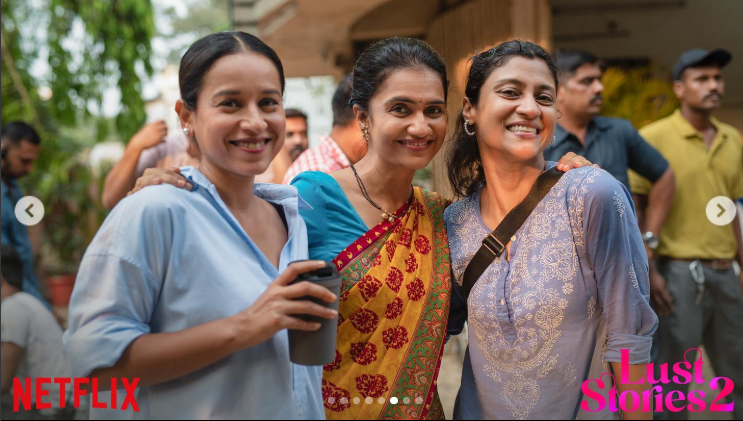
She continued to explore complex human emotions through shorts such as Listen to Her, which highlighted the burden of professional and domestic responsibilities faced by women during the pandemic. More recently, her segment The Mirror in Lust Stories 2 (2023) was praised for its bold take on female desire and self-discovery, delivered with empathy and a fearless honesty.
As a director, Konkona thrives on stories that capture the unspoken, the awkward pauses, the silences, the suppressed emotions, and turns them into deeply resonant narratives. By shining light on perspectives often ignored in mainstream cinema, she has established herself as a filmmaker who blends realism with poetic intimacy, creating films that linger long after the screen fades to black.


Female directors in Indian cinema have long battled stereotypes and systemic barriers, yet their vision continues to reshape the industry in profound ways. As more women take charge behind the camera, the future of Indian cinema promises to be richer, more diverse, and infinitely more authentic.


