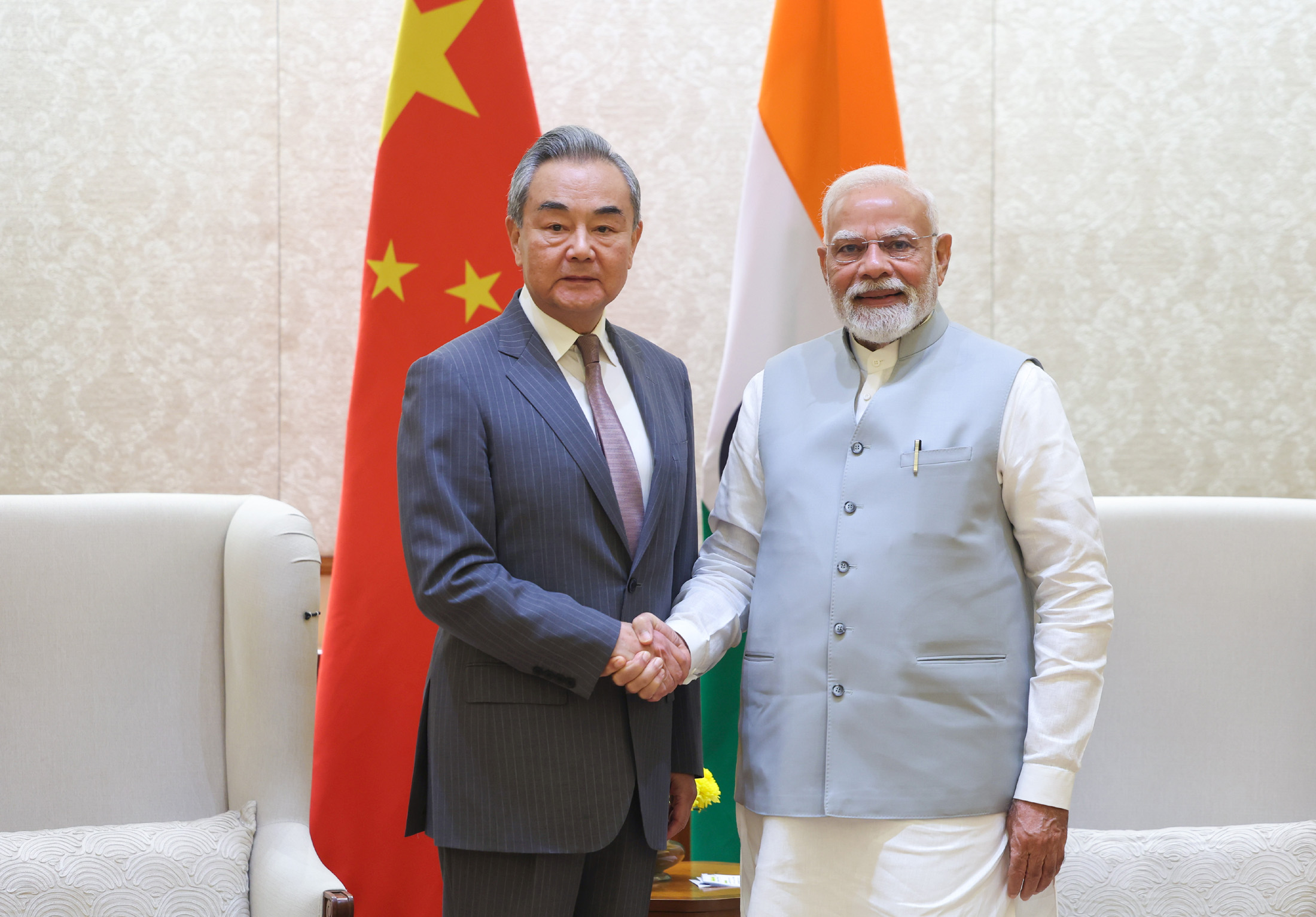
India and China have agreed to strengthen bilateral ties by reopening border trade routes, including Lipulekh Pass. Chinese Foreign Minister Wang Yi’s visit to India contributed to major decisions. Discussions were focused on long-standing boundary issues. Both sides are committed to maintaining peace along the border.
Chinese Foreign Minister Wang Yi visited New Delhi, where he had a meeting with Prime Minister Narendra Modi, NSA Ajit Doval, and EAM S. Jaishankar. Both sides focused on mutual respect and a stable environment along the Himalayan Border. Modi stated, “Stable, predictable, constructive relations between India and China can play a vital role in promoting regional and global peace and prosperity.”
Wang Yi shared a message and invitation from Chinese President Xi to the PM for the Upcoming SCO Summit in Tianjin. He also shared his positive commitment to bilateral meetings with S Jaishankar and Ajit Doval during his visit.
The Prime Minister focused on commitment to peace on the border, and India’s commitment to a fair, reasonable, and mutually acceptable resolution of the border issues. Modi also welcomed steady and positive progress in Indo-China ties since the Modi-Xi meeting in Kazan last year, guided by mutual respect, interest, and sensitivity, adding the resumption of the Kailash Manasarovar Yatra.
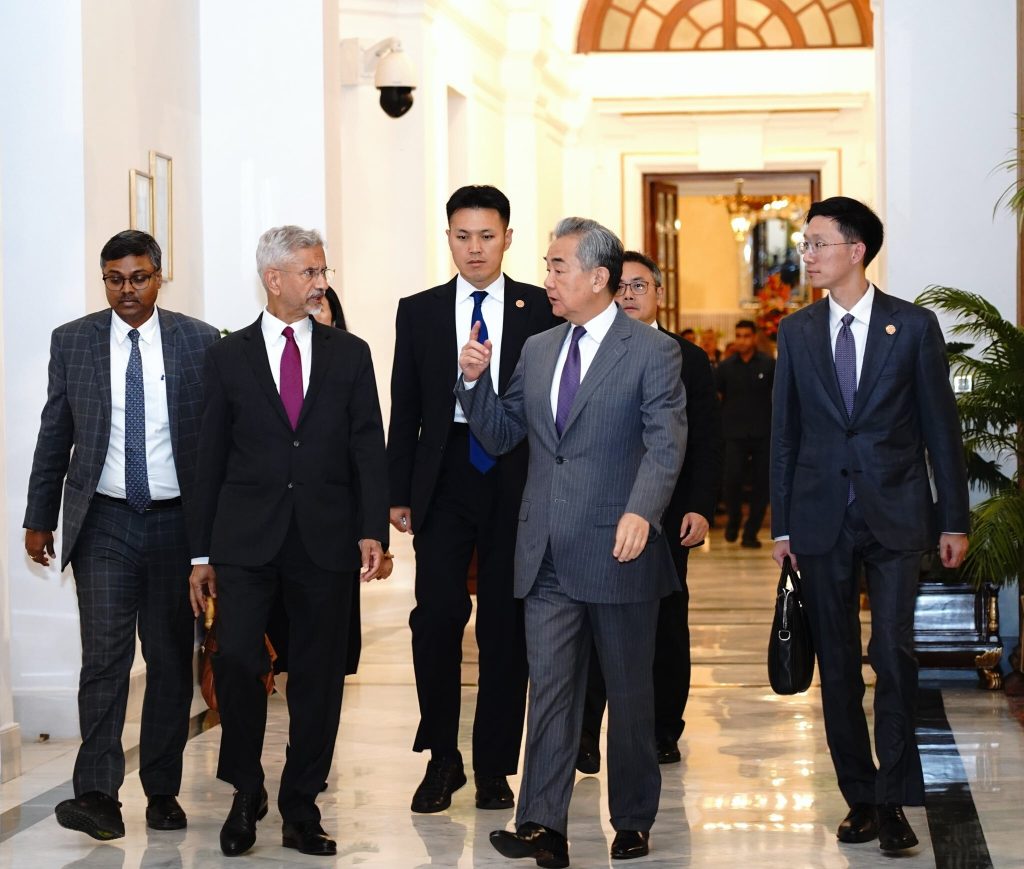
A key agreement to resume direct flights, halted since 2020, was reached. While China is ready to start immediately, India is coordinating relaunch within a month. Three Himalayan passes to reopen the Lipulekh, Shipki La, and Nathu La for border trade. Ease of Visas for tourists, business professionals, media personnel, and pilots, understanding the people-to-people contact and economic linkage.
A new Expert Group under the WMCC (Working Mechanism for consultation & Coordination on India-China Border Affairs) will explore new steps. Additionally, a fresh regional-level mechanism is being created for effective border management in the eastern, middle, and western sectors.
This approach comes amid US trade tariffs against India under the Trump Administration, where he imposed a total of 50% tariffs and pressure on India for buying Russian Oil. US-India tensions escalated, and Delhi now moved closer to China, not as a replacement ally, but for strategic flexibility and engagement.
Russia welcomed the re-engagement of India-China.
China agrees to address India’s concern over commodities, which include rare earths, fertilisers, and tunnel boring machines. These steps between Indo-China reinforce Cultural, Spiritual, and economic ties beyond Politics.