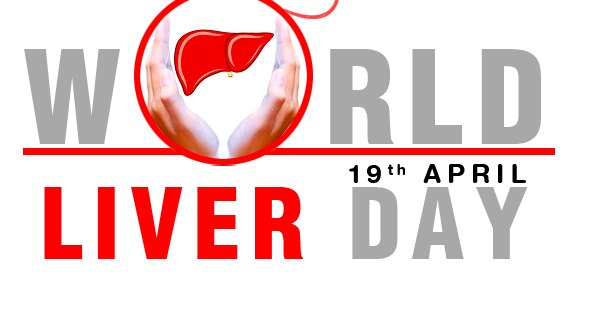
Every year on April 19, World Liver Day reminds us to pay attention to one of the body’s most hardworking yet overlooked organs — the liver. Responsible for over 500 vital functions, this powerhouse silently supports our digestion, detoxification, and immunity. Yet, liver diseases continue to rise globally, often going unnoticed until it’s too late. This day serves as a crucial call to action for awareness, prevention, and early detection.
The scary truth
Liver diseases often show no symptoms until they’ve progressed significantly. Fatigue, yellowing of the eyes or skin (jaundice), sudden weight loss, or abdominal pain are often the first visible signs, but the damage may already be done by then. What many don’t realize is that fatty liver can develop silently, without obvious symptoms, and yet be just as dangerous. The truth is, fatty liver can be a ticking time bomb — it may not show signs, but it’s still causing damage beneath the surface.
What is Fatty Liver?
Fatty liver is a buildup of excess fat in the liver. While small amounts of fat are normal, more than 5% of the liver’s weight being fat leads to fatty liver disease.
Myth about Fatty Liver: Many people believe fatty liver isn’t harmful if there are no symptoms. However, this is misleading.
Prevalence: 35% of liver transplant patients suffer from fatty liver, and 30–50% of diabetics also have this condition.
Silent Condition: Fatty liver doesn’t always show specific symptoms, so many people don’t realize they have it until it causes damage.
Liver Regeneration: The liver can regenerate itself by replacing old, damaged cells with new ones. However, this ability is hindered when the liver is burdened with excess fat.
Damage Over Time: As fat builds up and scar tissue forms, the liver struggles to transport nutrients and increases pressure in the veins. This can lead to inflammation and long-term liver damage.
The Danger of Ignorance: Even when diagnosed, people often ignore fatty liver because they don’t feel its immediate effects, leading to further complications. give me a heading for this.
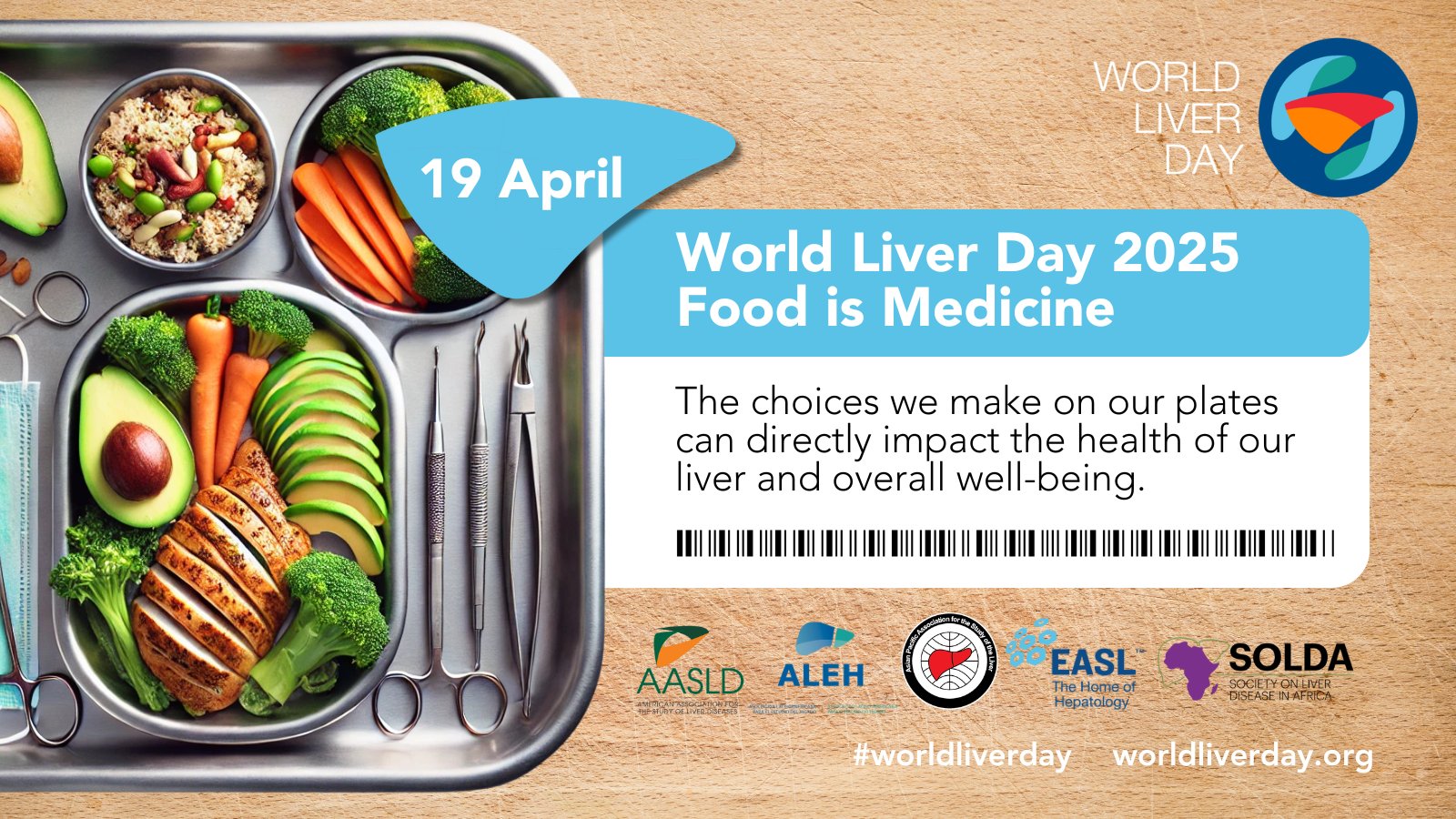
Did you know?
The liver is the second-largest organ in the human body and, after the brain, the second most complex. Weighing about 1.5 kg, this reddish-brown organ is a multitasking powerhouse that quietly performs over 500 essential functions—from detoxifying harmful substances, aiding digestion, and storing energy to regulating hormones and immunity.
So why don’t we talk about it enough?
Despite being so crucial, liver health often takes a back seat — until something goes wrong. Conditions like fatty liver disease, hepatitis, cirrhosis, and liver cancer are on the rise, often triggered by poor lifestyle choices like alcohol abuse, processed food consumption, lack of exercise, and late detection.
What can you do to protect your liver?
- Adopt a liver-friendly diet rich in fruits, vegetables, and whole grains
- Limit alcohol and processed foods
- Stay physically active
- Avoid unnecessary over-the-counter medications
- Get vaccinated against Hepatitis A and B
- Schedule regular health check-ups, especially liver function.
Because when your liver is healthy, your entire body thrives. Your liver does more for you than you realize — every second of every day. Protect it. Respect it. Appreciate it.