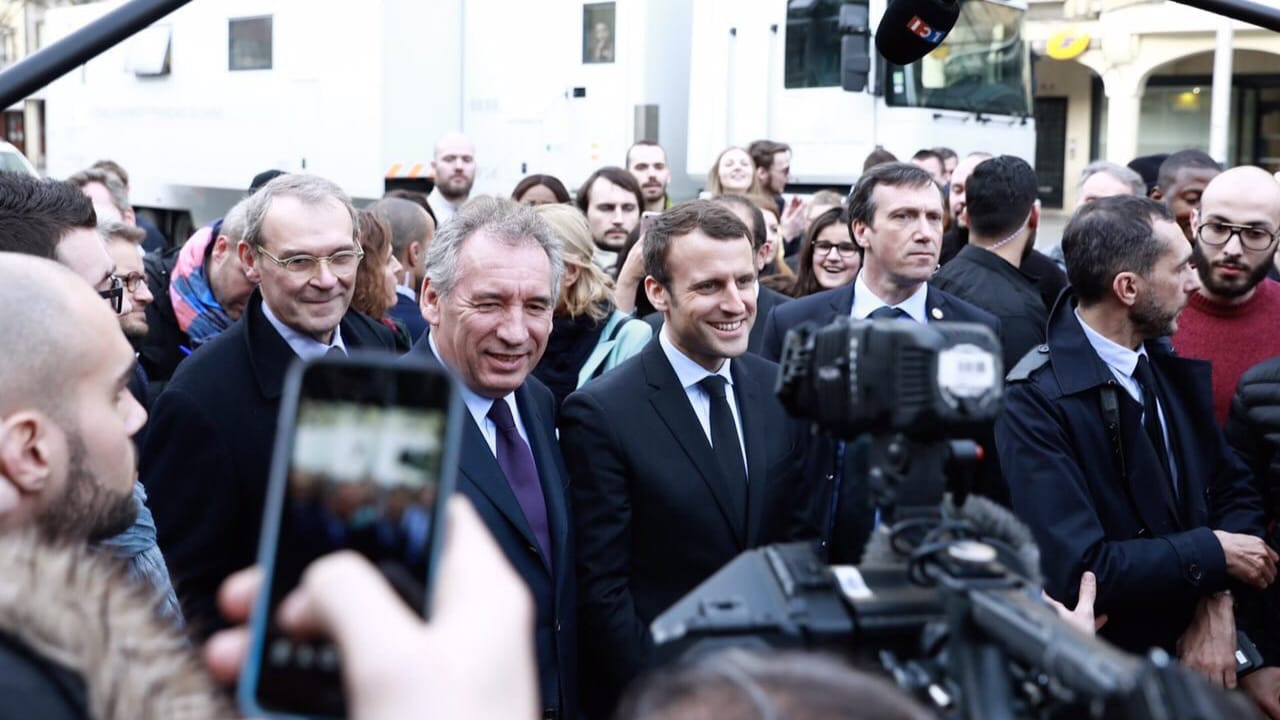
François Bayrou, the Prime Minister of France, resigned on Tuesday after losing a no-confidence vote in the National Assembly, deepening the political crisis gripping the country.
Bayrou, 74, had held office for just nine months, making him the fourth prime minister to exit in a little over three years. The vote was decisive, with 364 lawmakers opposing him against 194 in support.
The defeat stemmed largely from resistance to his controversial €44 billion debt-reduction plan, which included freezing most welfare payments and abolishing two public holidays. Bayrou argued these measures were unavoidable, warning that France’s public deficit, 5.8% of GDP in 2024, nearly double the European Union’s 3% ceiling, left future generations burdened with unsustainable debt.
At the end of the first quarter of 2025, national debt stood at €3.346 trillion, or 114% of GDP. However, opponents accused him of political misjudgment and targeting ordinary citizens during a period of widening inequality.
Research indicates poverty levels are rising while inherited wealth is becoming increasingly concentrated, fuelling public anger. Bayrou’s departure underscores the difficulty of governing a fractured parliament.
Since President Emmanuel Macron’s snap election last year produced no absolute majority, the National Assembly has been split between the left, centre, and far right, creating near-constant deadlock. France has little tradition of coalition governments, leaving successive prime ministers vulnerable to collapse.
Macron’s previous appointees, Gabriel Attal and Michel Barnier, both fell within months of taking office. The president’s office has said a new prime minister will be named “in the coming days.”
Yet political analysts caution that any successor is likely to face the same immediate challenges, as mistrust between the public and political class grows ahead of the 2027 presidential election.
Public discontent is already erupting on the streets. Two days after Bayrou’s resignation, large-scale demonstrations broke out under the slogan “Bloquons tout” (“Block Everything”).
Authorities deployed 80,000 police and gendarmes nationwide, but more than 200 arrests were reported by Wednesday morning. In Paris, protesters set fires, built barricades, and attempted to block the city’s ring road.
Rubbish bins were torched in eastern districts, tram lines obstructed, and clashes erupted near Gare du Nord, Europe’s busiest train station. Police closed the station temporarily as crowds chanted “Macron, demission” before using tear gas to disperse them.
The unrest revives memories of the Yellow Vest protests of 2018 and demonstrations in 2023 over pension reforms. With Macron’s approval ratings at a historic low, just 15% of French citizens express confidence in his ability to resolve the crisis. France faces a period of political paralysis and growing social volatility.
French President Emmanuel Macron has appointed Defence Minister and trusted ally Sébastien Lecornu as the country’s new Prime Minister following the resignation of François Bayrou, who stepped down after losing a confidence vote. At 39, Lecornu becomes the fifth prime minister in under two years and faces the urgent task of steering France through a mounting political crisis, with fresh waves of protests expected in the days ahead.