


All eyes are set on Britain’s Prime Minister Keir Starmer as he embarks on navigating the role that Britain could play with the European Union in a controlled manner, five years after the former chose to make its decisive exit from the Union. Starmer had previously met the President of the European Commission, Ursula von der Leyen, in Albania on Friday (May 16) for the European Political Community Summit. While certain verbal agreements were made during the meeting, the future of certain key issues still remains in the “hardest yards”, according to Defence Secretary John Healey. The two sides are now expected to meet in London on Monday (May 19).
Starmer also assured people that a new deal that will be “good for our jobs, good for our bills and good for our borders” by saying, “In this time of great uncertainty and volatility, the UK will not respond by turning inwards but by proudly taking our place on the world stage — strengthening our alliances and closing deals in the interests of British people.”
Defence deals
The United Kingdom is aiming to be included in the new 150 billion pounds loan scheme that the EU has secured by forging a new defence and security agreement between the two parties. Securing this deal could help give a significant boost to defence companies in the UK in areas of research cooperation, joint procurement and funding opportunities, along with creating new jobs in an industry that currently employs 164,000 people. Both parties have also been closely cooperating on striking a peace in the Russia-Ukraine conflict, with Starmer hosting multiple European leaders in London over some time now.
Red tape on food travel
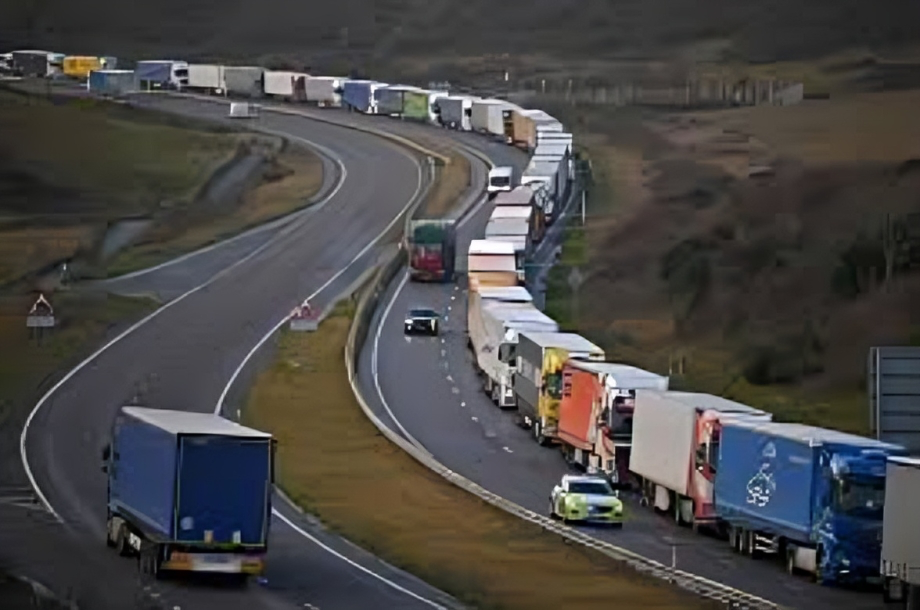
Cabinet Office Minister Nick Thomas-Symonds earlier expressed this week, “We know we’ve had lorries waiting for 16 hours, fresh food in the back not able to be exported because frankly it’s just going off, red tape, all the certifications that are required, we absolutely want to reduce that” with supermarkets and retailers claiming losses up to 2 billion pounds due to red taping of food exports and imports with other EU nations. Hence, the UK might also seek to remove such barriers in a new deal, which would ensure larger supplies at lower prices.
Youth mobility scheme
Earlier this week, Starmer announced a crackdown on migration by stating his fear of Britain soon becoming an “island of strangers”, which has swiftly been opposed with popular vote by the Reform Party UK. The movement of young individuals across EU nations and the UK has been a sticking point of contention ever since Brexit, and Thomas-Symonds has called a possible youth mobility scheme a “smart and controlled” move following fears that this could allow back-door movements.
Policing and intel
Following its exit from the EU, Britain lost access to key crime-fighting tools under the purview of the Union including the European Arrest Warrant, the Schengen Information System and Europol’s membership, all of which have made it “harder to keep track of terrorists, criminals and serious organised criminal networks” according to London Mayor Sadiq Khan. Thus, Thomas-Symonds has advised towards keeping access to these policing measures as part of the new deal.
Travel
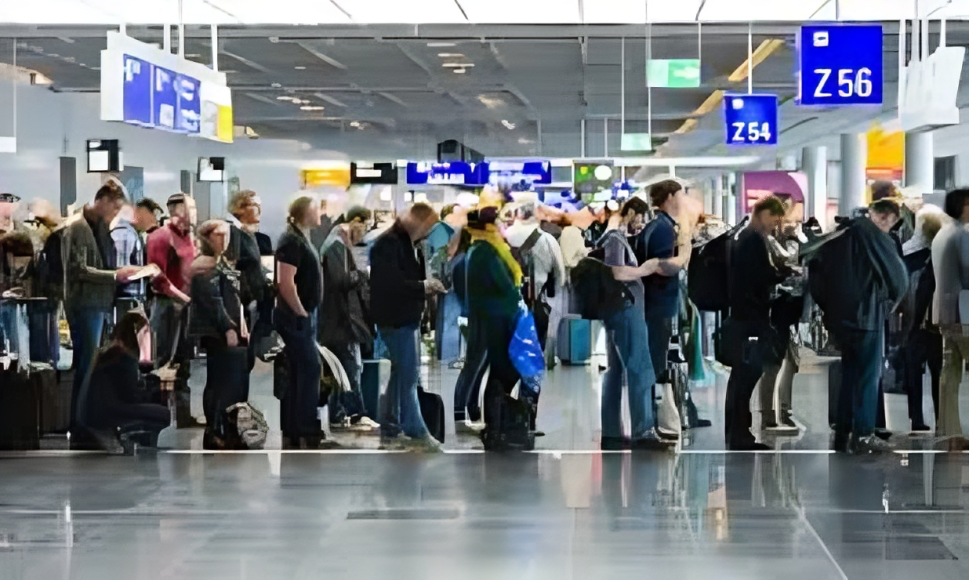
Sources suggest that Starmer is also eyeing a deal that eases travel of UK nationals to and from EU countries by allowing them access through the E-gates, which would cut the time spent in the “non-EU” queue.
Fishing rights
France, one of the EU’s most influential members, is eyeing an agreement that allows it to maintain its current levels of access to fishing waters in Britain without having to renegotiate an agreement annually.
While the UK is clearly interested in striking deals with the EU on these key issues, other members of the Union are concerned about allowing Britain too much wiggle room to cherry-pick their choice of commitments while not fully involving themselves as a member who contributes in equal measure.


