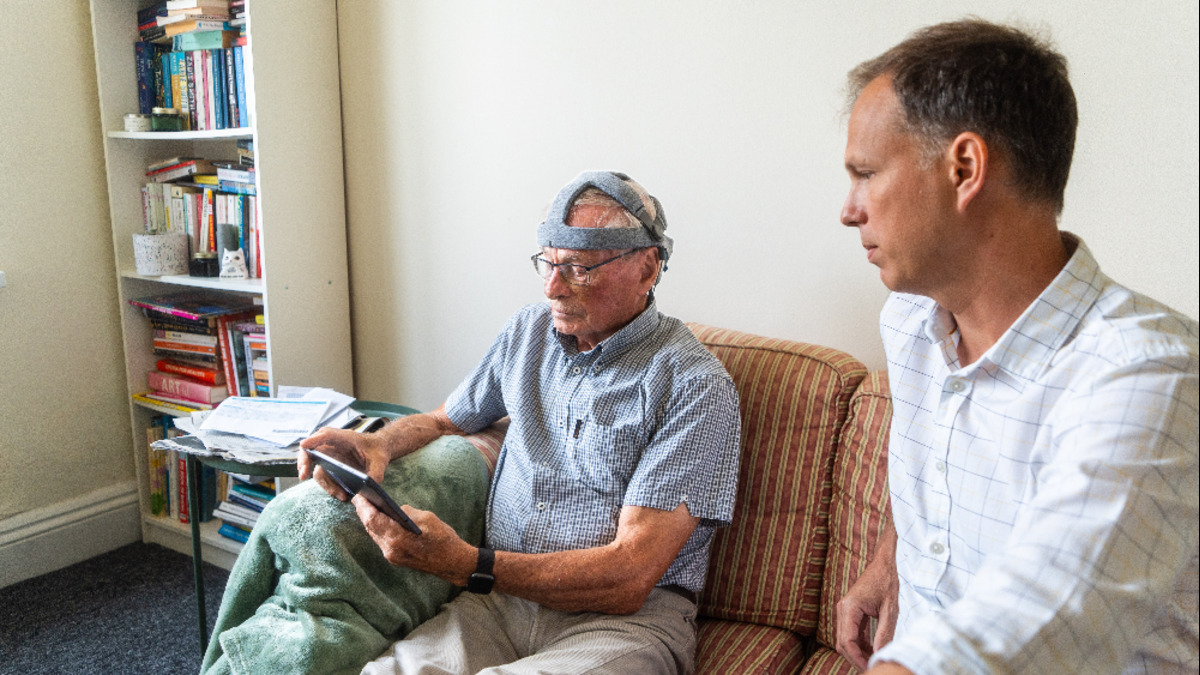
Imagine you are at your workplace, a place you have been going to for the past decade. You have known these people for a very long time, you know their past and present. But all of a sudden, you find it hard to connect with these people, you know their faces but can’t recall their names. And now everyone feels like a stranger. This is not limited to your colleagues, but now you can’t recognise your wife, your kids or the place you once called home. This is reality for many suffering from Alzheimer’s; they have to spend their life like a stranger.
Alzheimer’s disease is one of the leading types of dementia; the level of disease ranges from person to person. The risk factors of alzheimers can be Age, family history, genetics, Mild cognitive impairment (MCI), cardiovascular diseases, and traumatic Brain Injury.
Currently, over 4 million Indians are living with some form of dementia and 70-75% of which are Alzheimer’s. In 2019, India ranked 4th globally in dementia cases, and it is projected to reach the 2nd highest by 2050. globally, around 131.5 million people are affected by Alzheimer’s.
With active research worldwide to cure and diagnose this disease, a life–altering test has been pioneered by the researchers at University of Bath and the University of Bristol. With the help of a simple brainwave test, developed at the University of Bath, researchers were able to successfully detect the signs of memory impairment linked to Alzheimer’s disease years before any clinical diagnosis could be made.
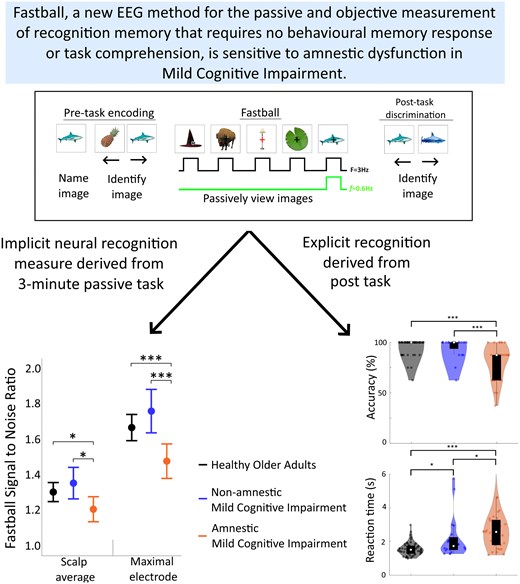
Fast periodic visual stimulation (FPVS) or Fastball EEG technology made it possible, which includes a 3-minute passive at-home test that records the brain’s electric waves while the participants observe images. The technology then identifies problems related to memory impairment in humans with Mild Cognitive Impairment (MCI), a condition that could cause Alzheimer’s later on in life.
As this test can be done in people’s homes, researchers believe that it could give way to larger monitoring and screening and could cut the cost of diagnoses, making it accessible to a wider public.
Until now, Alzheimer’s was usually diagnosed only when the symptoms were frequent and prominent, causing patients to lose the first 10-20 years without any proper treatment. And as Alzheimer’s drug is more effective when given in the early stage of disease, early diagnosis with Fastball EEG technology means more chances of recovery. This technology could also be used in memory clinics, GP surgeries and at home for early and accurate diagnoses.
How Fastball EEG technology works:
When a person wears the gear and is exposed to a series of images, the technology picks up little, subtle changes in brainwave activity that occur when our brain recognises that image. This is a completely passive technique, so the person doing the test does not need to understand the task or response, and they may not even be aware of their brain response. A person with amnestic MCI (aMCI) would show decreased Fastball responses compared to a non-amnestic MCI (naMCI).
With the invention of Fastball EEG technology, it is now possible to detect Alzheimer’s years before its symptoms are seen. And the at-home test feature made it a lot cheaper and accessible to a wider public to take necessary steps to treat this disease, eventually increasing the chances of curing the disease before it becomes fatal.