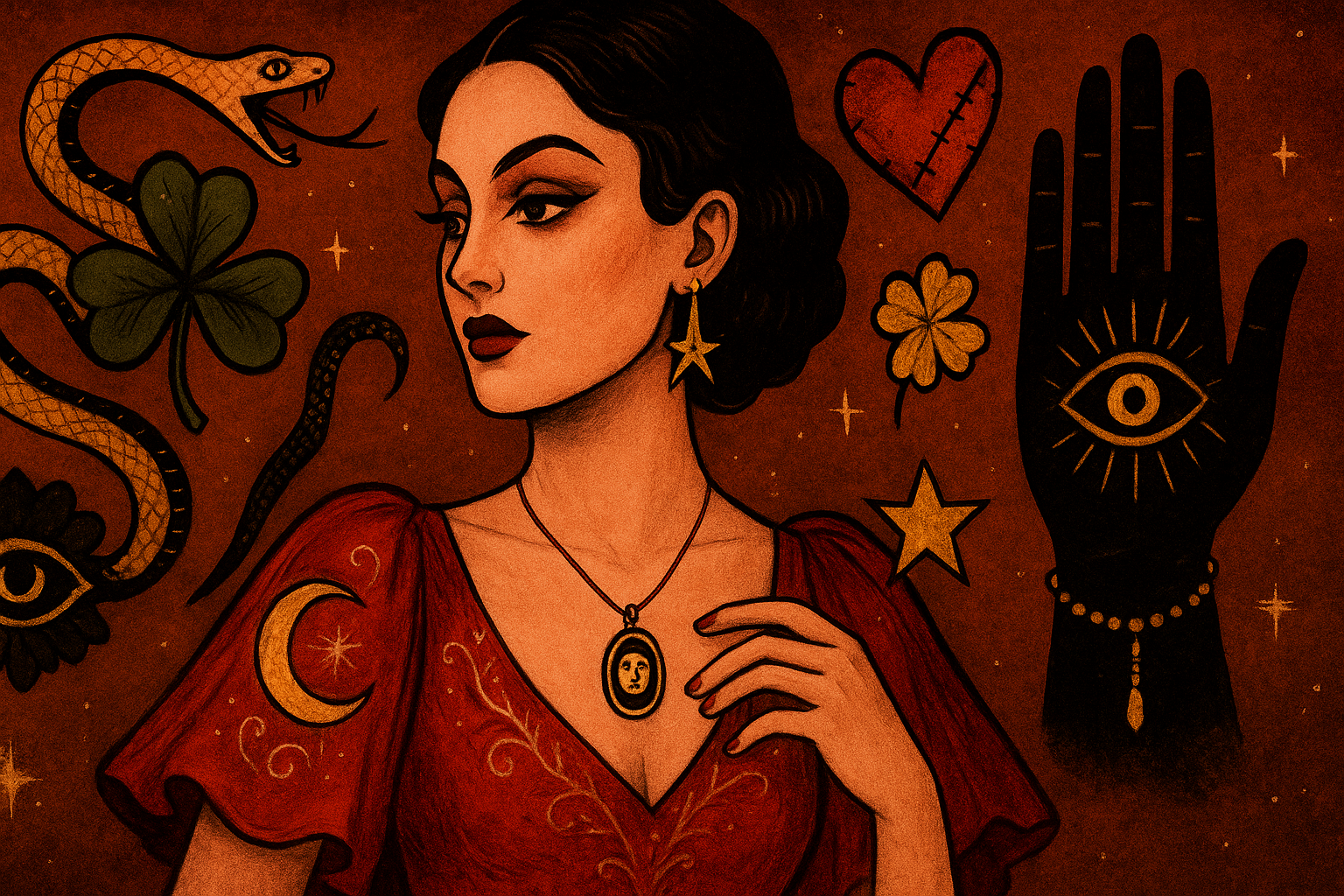
Fashion has never been just fabric. It’s belief, ritual, rebellion, and yes, sometimes even fear. Behind the sparkle of sequins and the sharp line of a suit sits an older, stranger language: where stitches act like spells, colors carry hidden warnings, and tiny charms tucked into hems were meant to fool fate. This is fashion’s superstitious side, where a sleeve’s cut could feel protective, a charm could be your secret lucky token, and the wrong color might feel like asking for trouble.
Threads as Talismans
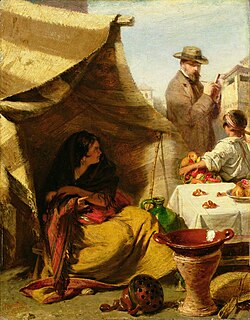
John Phillip The Evil Eye 1859
Clothing was never just about appearance, it was Armour for the unseen. Every hidden stitch whispered: “Protect me.”
The Color Curse

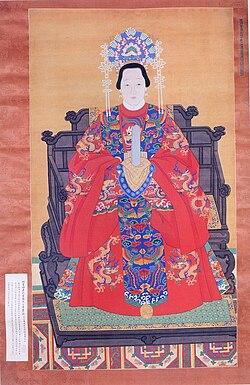
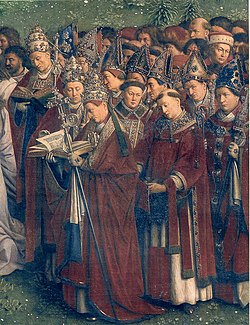
Not all hues have been embraced equally.
- Green once terrified Europeans; it was linked to misfortune, poison (thanks to arsenic-based dyes in the 18th century), and even death on stage, where actors in green costumes were said to meet tragedy.
- Black, now the epitome of elegance, was once funeral-bound and avoided for joyous occasions.
- Purple, once sacred and rare, was reserved for royalty; wearing it without permission could mean punishment.
Even today, color choices carry coded superstitions: brides in China shun black, while in the West, some brides refuse green bouquets for fear of “green with envy.”
Fashion’s Fear of Fate
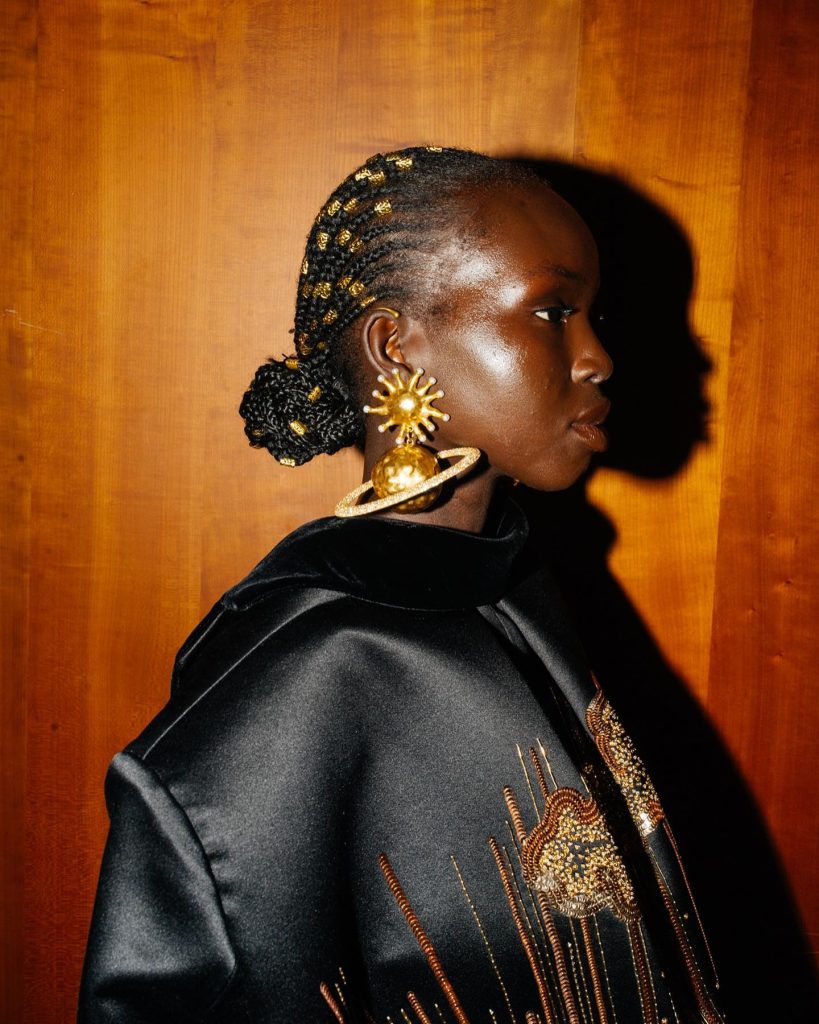
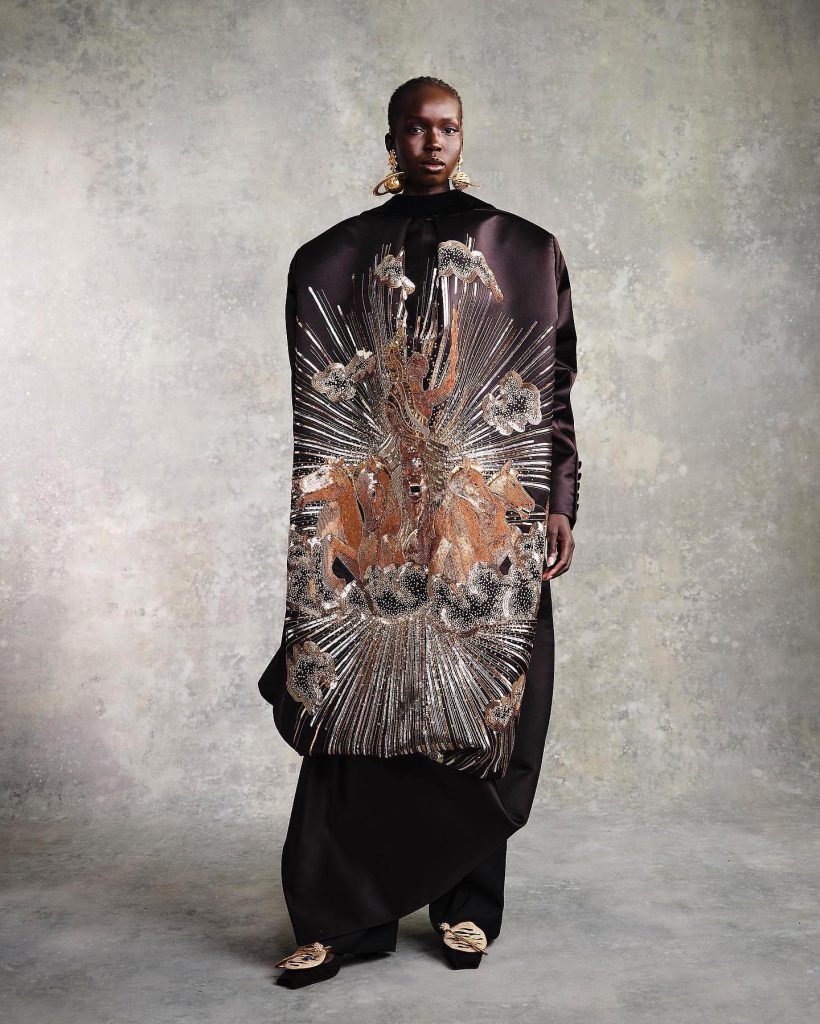
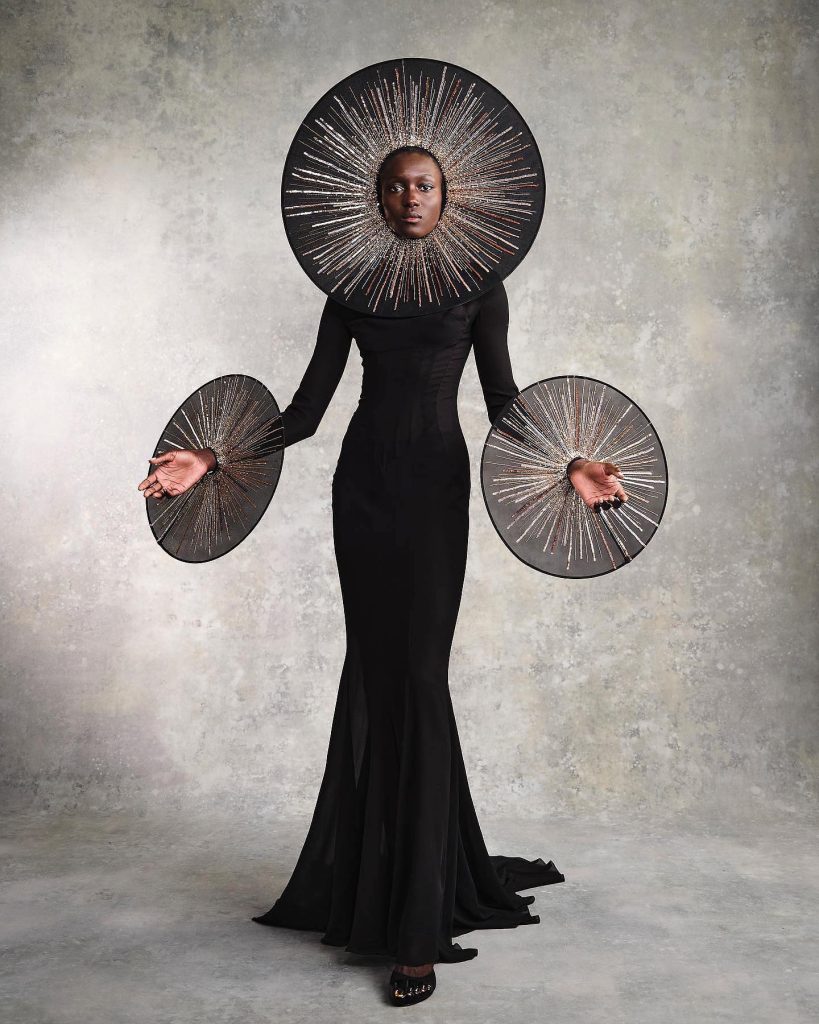
Designers have always toyed with these hidden beliefs. In the 1930s, Elsa Schiaparelli stitched zodiac constellations onto gowns, giving wearers not just sparkle but a little guidance from the stars. Decades later, Alexander McQueen wove death, myth, and pagan symbols into his collections, proving that fashion’s beauty often dances on the edge of darkness.
Modern brands, too, dip into talismanic traditions. Christian Dior carried his lucky star charm everywhere and incorporated it into his house codes. Gucci’s recent collections weave in mystical motifs snakes, eyes, and bees, blurring the line between style and superstition.
Consumers and the Curse of Belief
Fashion lovers are not immune. A “lucky dress” for an interview, a “jinxed pair of shoes” that always brings trouble, or that one shirt worn on exam day because it “worked last time” superstition is stitched into everyday choices. These micro-rituals show that consumers aren’t just buying fabric; they’re buying fortune insurance.
In luxury, this is amplified. Owning a charm bracelet, a talismanic scarf, or jewelry inscribed with protective symbols taps into deep cultural memories. Brands know this, and they sell not just status, but safety.
Rediscovering the Mystical Wardrobe

The Evil Eye Elworthy
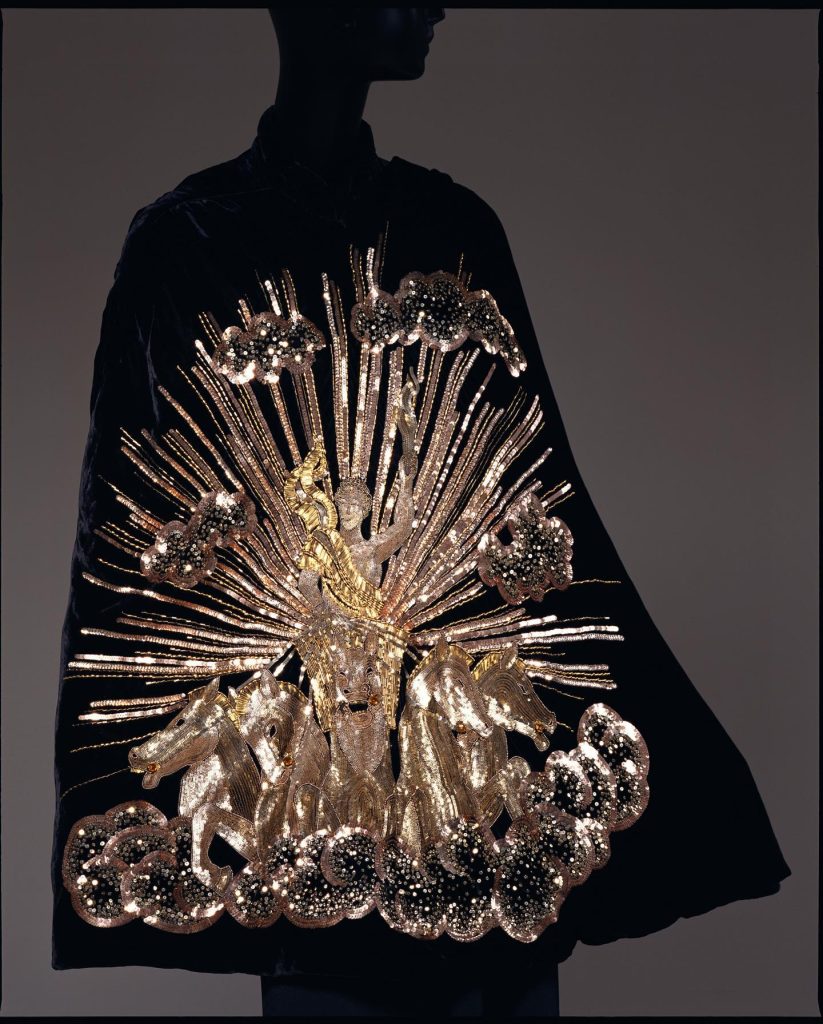
What once stayed tucked away in secret stitches is now front and center on runways. Evil eyes, zodiac signs, lucky charms, even ritual-inspired cuts, they’re back, not as whispers of fear, but as bold markers of identity.
The shift is clear:
- Then, superstition was all about dodging bad luck.
- Now, it’s about owning your power.
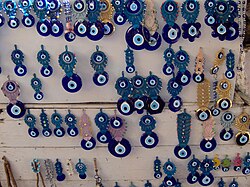
Nazars
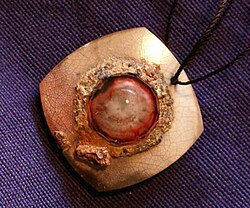
Ruby Eye Pendant
Gen Z and Millennials are rediscovering talismanic motifs with fresh eyes more as cultural storytelling than fear-driven belief. A jacket embroidered with protective eyes today is less about warding off curses, and more about saying: “I see. I am seen. I own my fate.”
Why It Still Matters
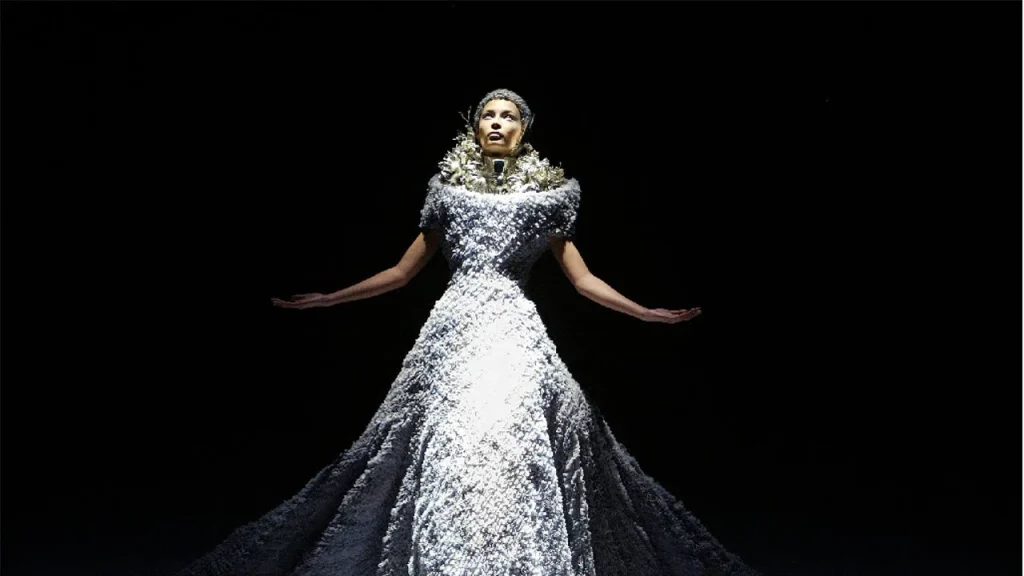
Fashion isn’t only about how we look, it’s about what we carry with us. Every color, charm, or stitched symbol reminds us that clothes hold meaning far beyond trends. They’re not just outfits; they’re little rituals, quiet acts of rebellion, and pieces of belief we wear on our skin.
Today, as the industry leans into heritage and storytelling, superstition isn’t brushed off as silly anymore. It’s being reimagined as culture, history, and creativity woven into fabric. The “haunted threads” that once lived in secret now walk proudly down the runway.
Final Stitch
Fashion is haunted, yes, but not by ghosts. By symbols, stories, and the eternal human urge to cheat fate with fabric. Whether it’s a charm on Dior’s runway, a color avoided at a wedding, or a consumer clutching their “lucky shirt,” superstition lingers like perfume.
And perhaps that’s the greatest magic of all: in a world obsessed with the new, fashion’s oldest superstitions still refuse to fade.