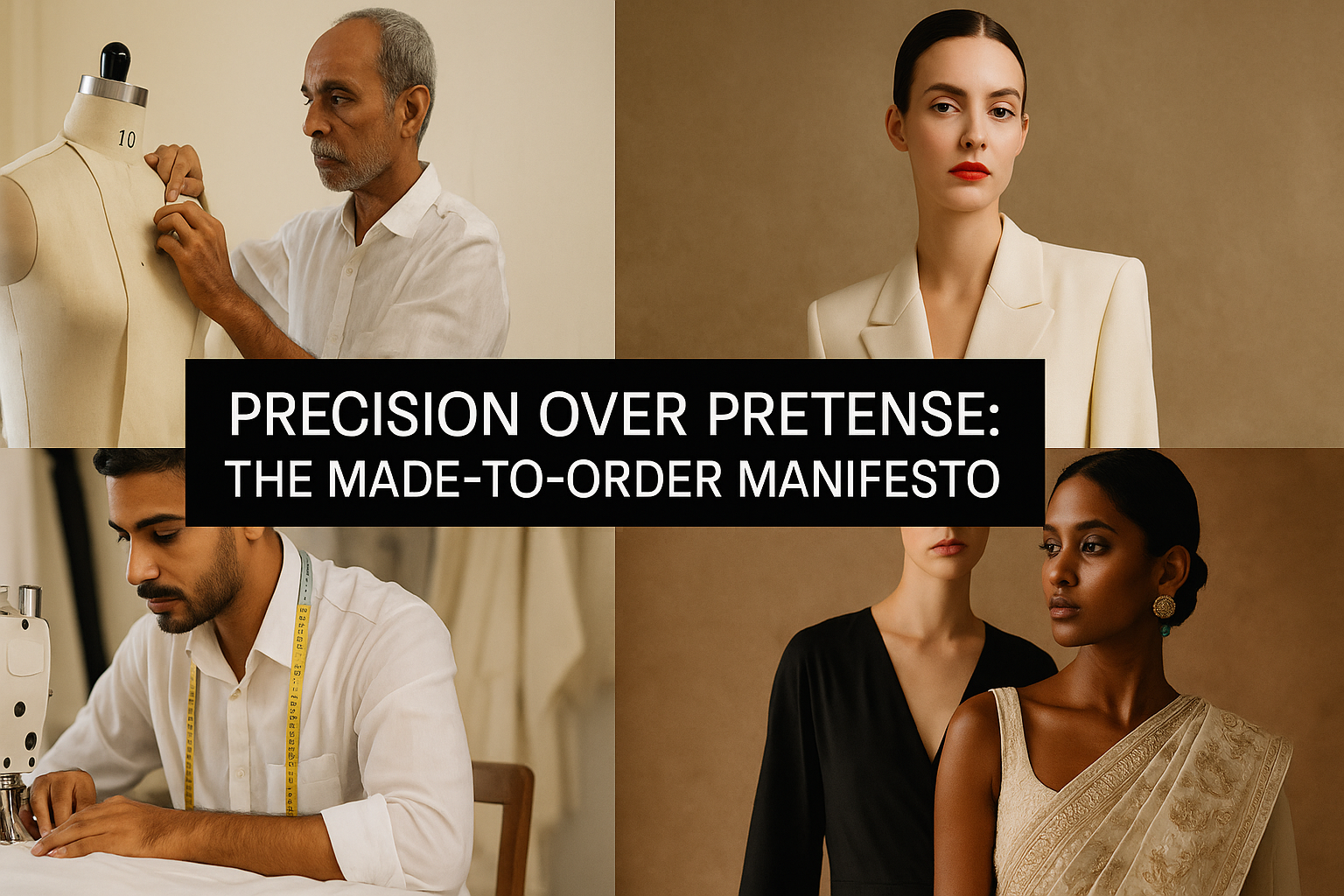
In a world drowning in “drop” from Zara to Shein, made-to-order fashion is emerging as the quiet revolutionary we didn’t know we needed. Slow fashion isn’t a trend, it’s a survival strategy. But here’s the million-dollar question: Are Indian consumers ready to swap instant gratification for intentional elegance?
Slow Fashion = Fast Fix for Fast Fashion
India’s fast-fashion market is projected to soar from $10 billion in 2024 to $50 billion by FY2031, a breathtaking 20% CAGR. That’s a tidal wave of rapidly produced, cheaply styled clothing contributing to mounting landfill and pollution crises. In contrast, the slow-fashion segment is ripe for disruption, as the production chain rakes up to double the amount, while the garment lifespan has decreased by 36% in the past 15 years.
This isn’t greenwashing, it’s economic gasoline for local artisans. Think circular economies, natural dyes, fair wages, stuff fast fashion can’t touch.
Indian Labels Leading the Sloganless Revolution
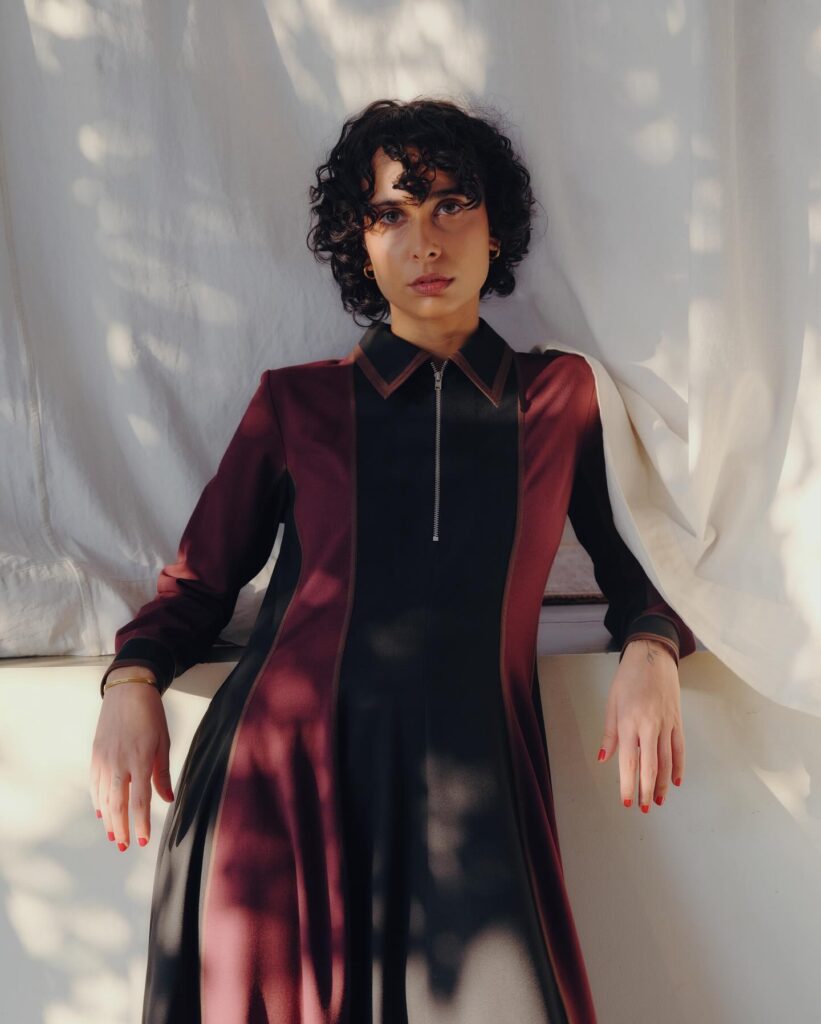
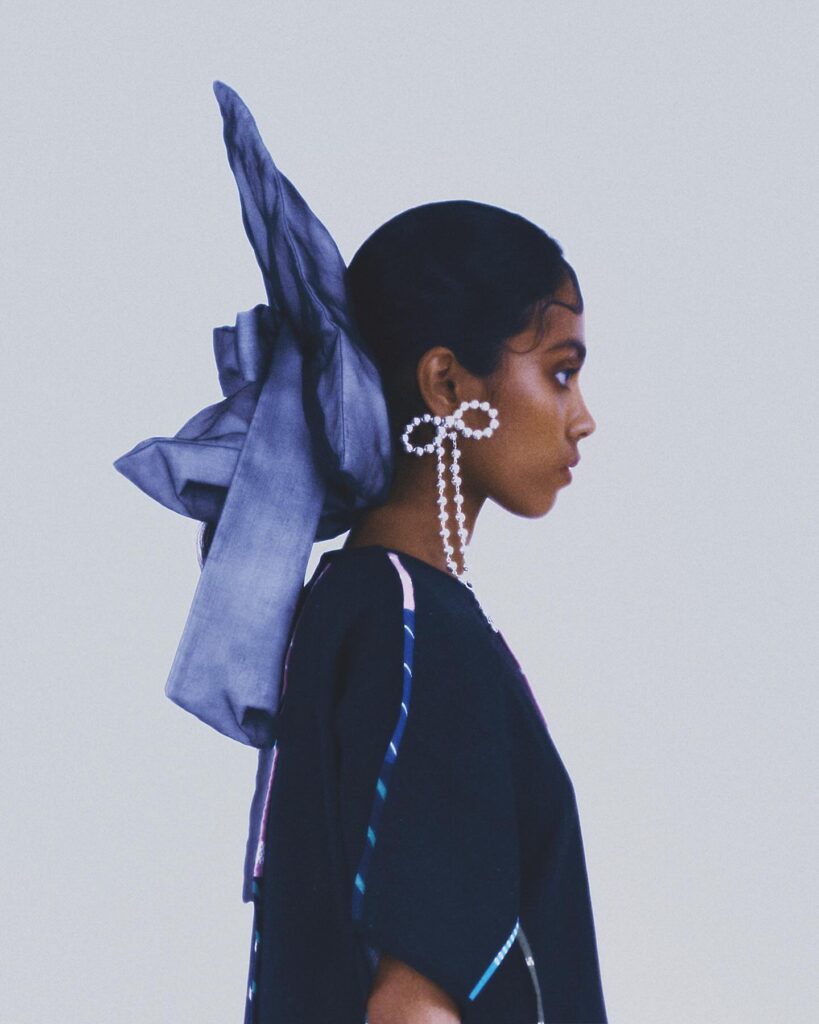
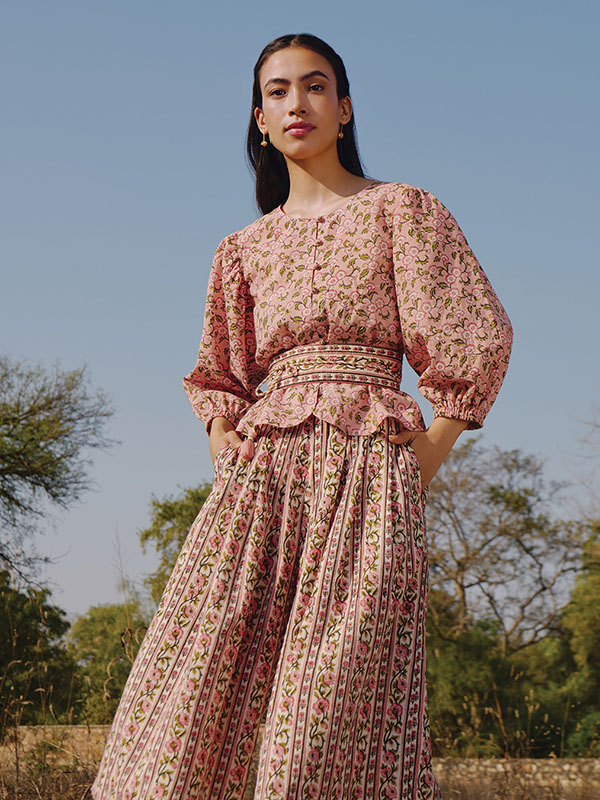
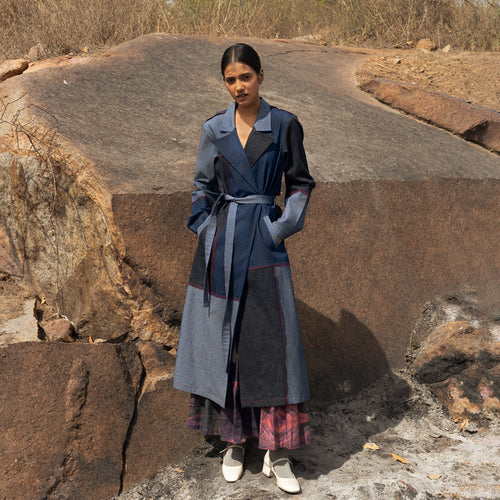
These brands are doing more than selling clothes; they’re building stories you can wear.
- Boito (Bangalore): Crafts luxury garments woven from Odisha’s Bomkai and Khandua threads, made-to-order to support traditional weavers.
- Lovebirds (Delhi): A decade-strong blend of minimalism and craft natural fabrics, in-house production, no mass runs. Ethical intimacy at its finest.
- Doodlage & No Nasties (Goa/Delhi): Upcycling and organic cotton crusaders, turning waste into wardrobe with a clear conscience.
- Anokhi (Jaipur): Heritage hand-block prints and natural dyes in 25+ stores, sustainability with staying power.
- Linen Trail (Kochi): Pure linen, Toda embroidery, community uplift retail that literally has roots.
These aren’t marketing gimmicks; they’re parallel economies that build regional resilience and global relevance.
Made-to-Order: The Future of Fashion
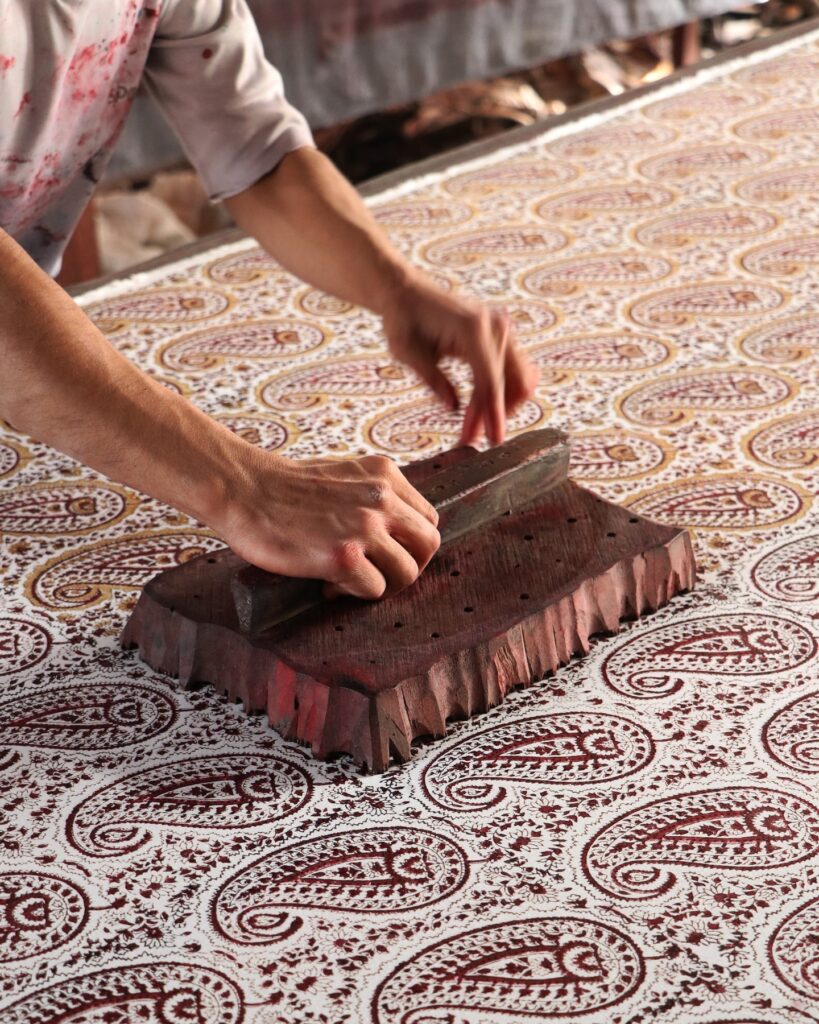
What’s the pitch? You order. They weave/dye/stitch. You wear. No overproduction, no markdowns, no capitalist landfill. Consumers get bespoke value; artisans are paid fairly; the planet gets a break.
It’s sustainable.
It’s story‑driven.
It’s slow, but it lasts.
This model could starve fast fashion of relevance. Why buy ten cheap tees when you can order one that’s ethically made, impeccably crafted, and uniquely yours?
Why India Should Care – and Can Lead
- Market size: Sustainable fashion at $9 billion, ~8.5% of India’s apparel market.
- Consumer pulse: 40–50% of Gen Z and millennials now choose ethically made products, even at a premium.
- Policy & infrastructure: Government initiatives (e.g., Surat’s July conclave on sustainable textiles, backing artisan clusters, and circular fashion efforts.
India’s textile GDP is small but mighty; it accounts for 92 million tonnes of textile waste. Pivoting to slow, sustainable, made-to-order fashion isn’t luxury, it’s a necessity.
Final Stitch: Ethical Elegance Is Business and Cultural Brilliance
Made-to-order fashion isn’t a charitable checkbox. It’s an economic engine, a cultural revival, and a brand-new narrative.
For consumers: It’s prestige, sustainability, and self-respect wrapped in a single stitch.
For brands: It’s differentiation, reputation, and resilience against trend fatigue.
For the planet: It’s fewer garments, less garbage, and more grace.
In the swirl of fast fashion’s illusions, made‑to‑order fashion is the real deal: personal, powerful, and planet-positive. And yes, India is primed to lead the charge.