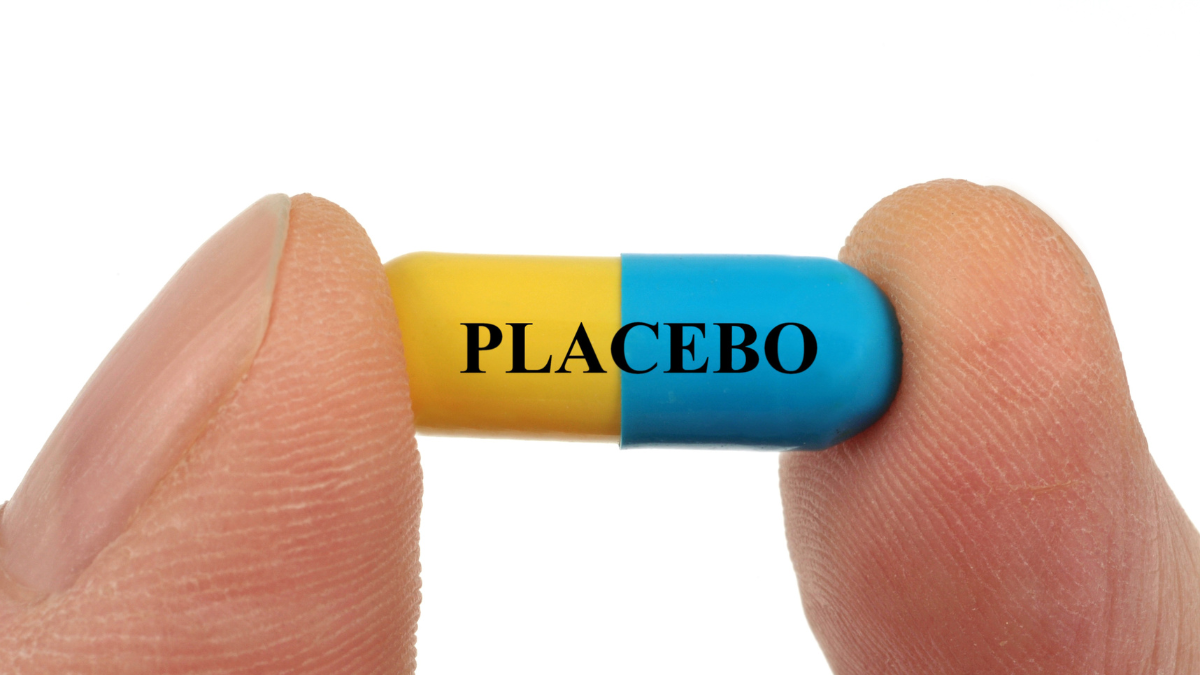
We have all heard of the Placebo effect. The mind and body’s therapeutic response and natural way of improving without medication or actual treatment. It plays with our minds, which triggers the body to believe it’s healing.
A dear authoritative figure says, ‘This pill will cure your illness.‘ You keep taking it for a consistent period, believing it is curing you. Although science has very little evidence to back it up, scientists do believe that psychological, social, and contextual factors play into healing.
But how much of what we believe is fact, and how much is just clever psychology at play?” Is it biologically transformative?
Let’s decode some of the famous myths we hear popularly. And why it may seem like it’s working and why it’s not, and what is actually in play.
1. Coffee helps in Bowel movements:
If you feel like you are plugged up, well then coffee comes to the cure more often than not to the mind
Why it may seem like it’s working:
- Caffeine stimulates the colon: Caffeine can trigger the release of gastrin, a hormone that speeds up intestinal contractions. This can make you feel like ‘coffee makes you poop’
- Warm liquid effect: Any warm beverage, even decaf coffee or tea, can increase gut motility. It’s partly about temperature, not the coffee itself.
- Morning routine association: Many people drink coffee right after waking, when their colon’s natural movement is already strongest. The timing can make coffee seem like the trigger.

Why it’s not a guaranteed or true “detox”:
- Not everyone reacts the same: Only a subset of people have this bowel-stimulating response to coffee.
- Liver is your real detox organ: Coffee doesn’t ‘flush toxins.’ Your liver filters waste, and your kidneys excrete it, and that’s detox.
- Dependency risk: Using coffee as a bathroom helper daily can make your gut rely on it instead of natural motility cues.
What’s actually in play:
- Caffeine → triggers gastrin → stimulates colon contractions.
- Chlorogenic acids (found in coffee) may also stimulate stomach acid production, nudging digestion along.
- Warm liquid and morning routine create a psychological and physiological habit loop.
2. Essential oils treat anxiety/depression as well as medication:
A ritual of finding a diffuser and mixing calming essential oils or lighting an incense is comforting for sure. Even imagining the picture may bring a sense of calm
Why it may seem like it’s working:
- Olfactory connection: Pleasant smells (like lavender or citrus) can drive the brain’s limbic system, which includes the amygdala (involved in emotions) and hippocampus (involved in memory). The limbic system is crucial for processing emotions and forming memories. Scent is the only sense that skips the thalamus and directly reaches the limbic system.
- Ritual comfort: The act of diffusing oils or massaging them in can feel therapeutic and create a sense of control over your mood.
- Expectation bias: If you believe the oil will relax you, your body may respond with reduced tension and slower breathing — the classic placebo effect.

Why it’s not actually treating the condition:
- No chemical equivalence: Essential oils don’t contain the targeted neurotransmitter-modifying compounds found in antidepressants or anti-anxiety medications.
- Temporary, not corrective: They may mask symptoms for a short period but don’t address underlying chemical imbalances or chronic psychological triggers.
What’s actually in play:
- Placebo response: Your mind connects the pleasant scent with a relaxed state, and the body follows with temporary physiological calm.
- Environment control: Using oils often coincides with other calming actions — dimming lights, sitting quietly — which themselves reduce stress signals.
3. Blue light glasses help reduce eye strain:
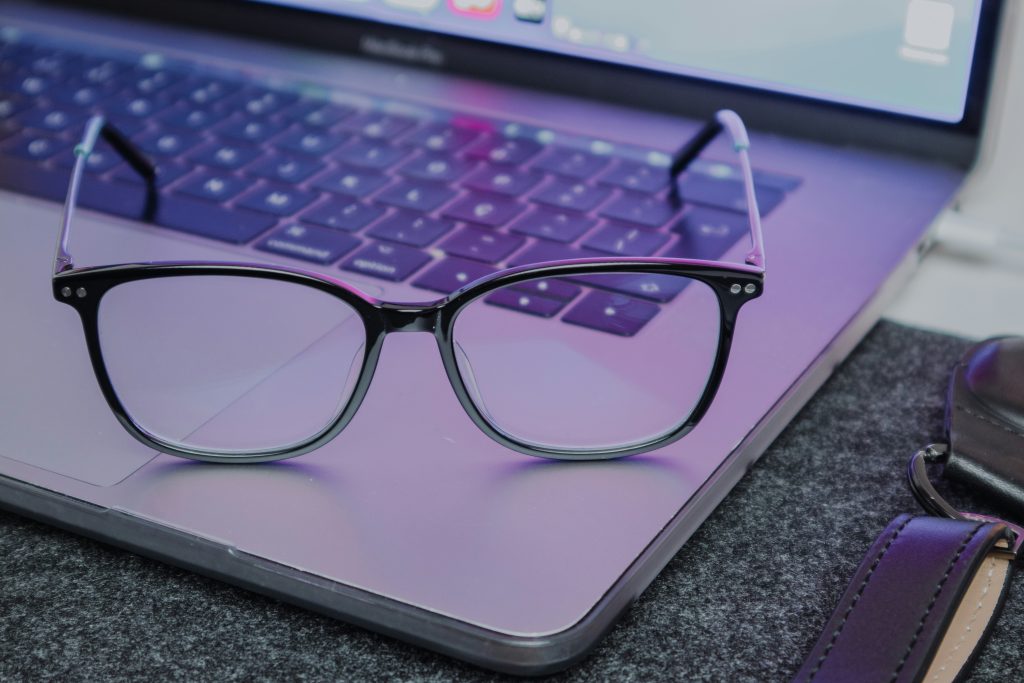
Everyone at some point in life has owned a pair of blue light glasses because, hello, you are reading this on a screen. When headaches and eye strain were common, blue light glasses were rightly marketed, and it seemed like a tiny change for someone who spends more time working digitally on devices like computers, laptops, and phones
Why it may seem like it’s working:
- Scattering effect: Blue light is part of the visible light spectrum, with a short wavelength and high energy, which scatters more in the eye
- Body Alertness: It causes daytime alertness when we receive the blue light from the sun. It might disrupt our body’s circadian rhythm at night when exposed for long hours.
- Exposure to screens: After long hours on digital screens, many people experience dry eyes, headaches, and fatigue, so it’s easy to blame blue light.
Why it’s not true:
- No solid scientific evidence shows blue light glasses prevent or permanently reduce eye strain.
- The glass you buy might be of a different quality, with different blocking rates of blue light
What’s actually in play:
- When you’re trying to focus on an image from a source for a long time, eye fatigue may occur. It’s more about the overuse of the focusing muscles than light damage.
- When focused on a screen or study material, the brain unconsciously reduces blink rate to not lose focus. This has nothing to do with blue light.
- Symptoms naturally improve over time. Using the product may coincide with those timelines, and that ticks off the placebo effect
4. Drink 8 glasses of water per day:
It’s been repeated for decades now with anything about health. 8 is a neat number. Where and who came up with this number, no one knows. But what’s important is the ritual you are building
Why it may seem like it’s working:
- Awareness boost: If you decide to drink more water, you may also eat healthier and cut back on sugary drinks, so the improvements you see aren’t just from water.
- Hydration glow effect: Drinking water does temporarily plump skin cells, so short-term improvements can reinforce belief.

Why it’s not a universal truth:
- The exact amount of water needed varies by body size, activity, climate, and diet — some people may need more, others less.
- Overhydration is a thing — drinking too much water can dilute sodium levels (hyponatremia).
- Most people already get 20–30% of their daily water from food (fruits, veggies, soups), plus tea, coffee, etc.
What’s actually in play:
- 8 is an average number and just sounds doable at the extended span of 24 hours.
- Believing you’re taking care of your body can reduce stress and improve your mood, which What’s actually in playleads to feeling better — classic placebo power
5. Cracking knuckles causes arthritis:
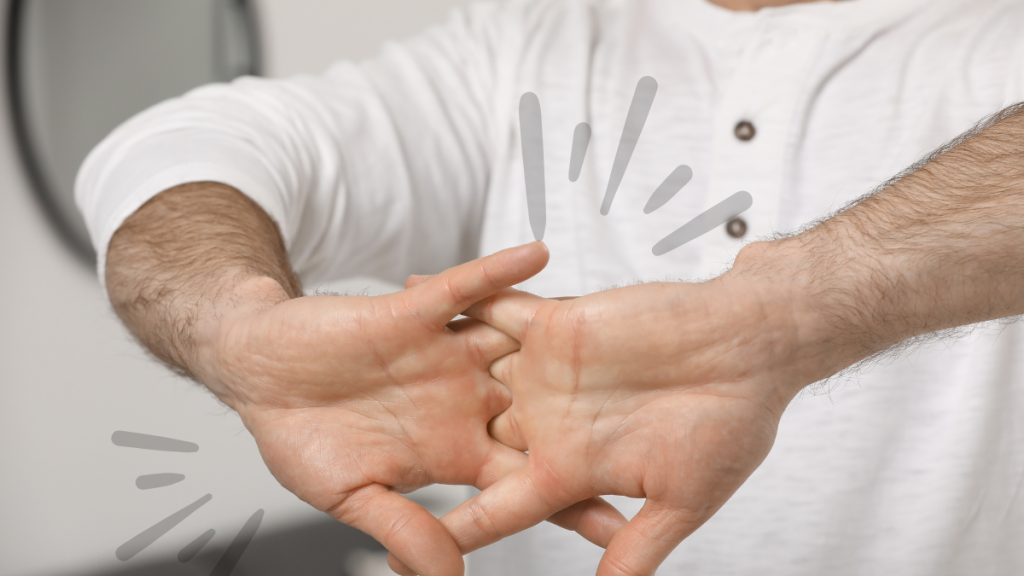
We have all been knocked over our knuckles for cracking them too loudly. In a way, it does release tension like popping a bubble wrap. There were constant reminders from the elders to knock it off, claiming that it might cause a joint problem. Is it true?
Why it may seem like it’s working:
- The sound is alarming: The pop mimics sounds we associate with bone damage. People with arthritis sometimes have noisy joints, so the sound gets linked to the disease.
- The sensation: After cracking, fingers feel looser, making it seem like something ‘happened’ inside.
Why it’s not actually true:
- The pop is a harmless gas release. It’s nitrogen bubbles in the joint fluid collapsing, not bones breaking.
- Long-term studies show no link between knuckle cracking and arthritis. No joint damage visible in habitual knuckle crackers.
What’s actually in play:
- Cracking stretches the joint capsule, reducing stiffness for a short time. That’s why it feels satisfying.
- The tiny ‘relief’ sensation is partly psychological, partly a mild endorphin release.