

Google introduced the AMED API, which offers complete crop and field data, in a significant step to support Indian farmers in agriculture. In addition, it began efforts to improve AI’s cultural awareness and comprehension of India’s many languages, cultures, and rituals.
Let’s be real, most Indian farmers are kinda left in the dark when it comes to planning their whole farming game. No solid information, just a lot of guessing. They’re out here, not sure what crops are popping up, when to throw seeds in the ground, and even how big their patch of land actually is.
It’s like playing chess blindfolded. Enter Google’s AMED API, basically, it swoops in and hands them all the fresh, accurate information they need.
What is the AMED API?
Google DeepMind and the Partnerships Innovation crew rolled out this thing called the Agricultural Monitoring and Event Detection API, yeah, AMED for short. Basically, it’s a digital stalker for farms. You get the full scoop on what crops are popping up in each field, like, “Hey, that’s corn, and over there? Wheat.” Super specific.
It’s not just crop gossip, either. The API nails down the size and shape of the fields (no more guessing if your neighbor’s farm is actually bigger). Want to know when the seeds hit the dirt or when the tractors roll out for harvest? It’s all in there, mapped out for every season.
And the updates? Every couple of weeks, fresh data drops. So you’re not stuck with ancient information that’s about as useful as last year’s weather report. Pretty slick, honestly.
Why is this important for India?
Farming basically props up the whole Indian economy, but most farmers are flying blind without fresh information about their own land. This API? Total game changer for them.
Farmers finally get real-time data, so stuff like watering, fertilizing, and figuring out when to freak out about pests makes it all way easier.
Agri-tech startups can actually build apps that truly work, because now they’ve got solid data to work with. Imagine tools that actually solve farmers’ headaches, not just look pretty in a pitch deck.
Banks and insurance folks? They’ll stop guessing (or pretending to know) when handing out loans or assessing risks. Numbers don’t lie, right?
And hey, policymakers might finally move past the guesswork and roll out programs that actually help, thanks to insights from the ground up, not just from behind some fancy desk.
How is it different from Google’s previous tools?
So, Google dropped the ALU API a while back; it was this tool to outline farm boundaries and figure out what the land’s being used for. Cool, but kinda basic. Now they’ve leveled up with the AMED API. This one actually digs into what crops are where and throws in seasonal information too. It really helps you make decisions on the ground, instead of just looking at a map.

Who is already using it?
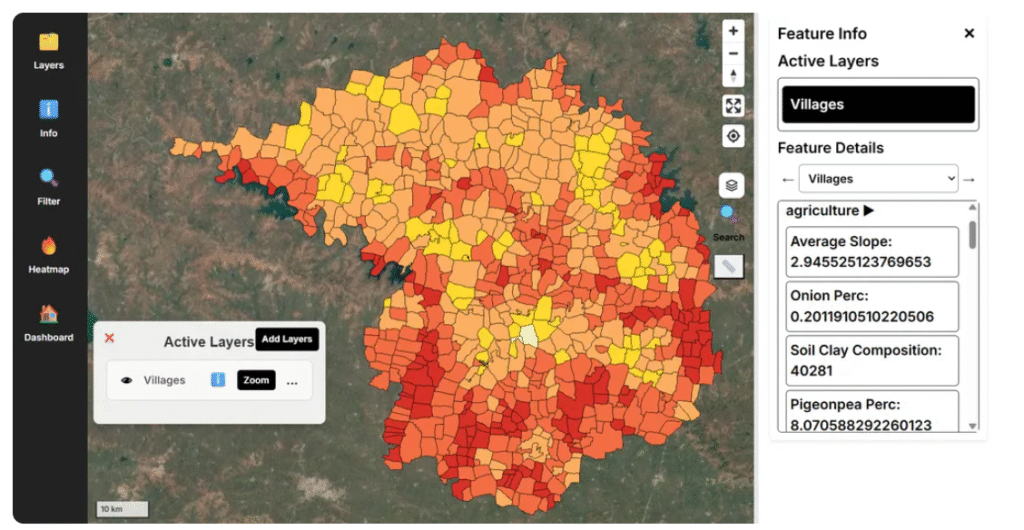
So, here’s the deal there’s this team called TerraStack (started at IIT Bombay, in case you’re keeping track) who basically used Google’s ALU API and made this cool system to manage rural land records. You know, the kind of thing that actually helps farmers get loans without the usual problems. Now? They’re looking at AMED, hoping to find even better insights that’ll really help rural lending and farm growth. Honestly, if they do it, it’s gonna be a big change for people in villages.
What else is Google doing in India alongside AMED?
So, Google kicked off this whole Amplify Initiative thing with IIT Kharagpur. What’s the big idea? Basically, they want to create very detailed datasets with Indian languages, local dialects, and small cultural details that you can’t learn from a textbook.
Why bother? Well, AI tools are kinda clueless about the way real people talk, especially in India, where “local flavor” is an understatement. This project’s supposed to help AI actually get local slang, jokes, and context, so it stops sounding like your out-of-touch uncle at a wedding.
Best part: they’re making all this data open-source. So any developer who wants to access, whether they’re building an app for farmers, a new healthcare thing, or, I don’t know, something to keep neighborhoods safer, can use it to make their tools actually work for real people.


What do experts say?
Alok Talekar, who heads up Agriculture & Sustainability Research at Google DeepMind, basically said this thing’s a game changer, it takes all that big picture farming information and turns it into data that actually matters on the ground, right now. So, farmers aren’t just stuck guessing when the weather changes unexpectedly or when their crops need help. They get the information when they need it.
Dr. Manish Gupta, Senior Director at Google DeepMind, chimed in about AI being like rocket fuel for innovation and real-life solutions. He made it clear: Google’s not just playing around here, they actually want AI to be helpful for people across India, not just tech nerds or big businesses.
What challenges remain?
AMED and Amplify are powerful tools, but honestly, they’re only as good as the folks using them:
Training farmers and local partners to use the data.
Ensuring small and marginal farmers have access.
Building trust so that farmers integrate data into traditional knowledge systems.
So, Google’s rolling out this AMED API thing and the Amplify Initiative. Finally, making tech actually useful for people on the ground reality, not just some Silicon Valley fantasy. It feels like they’re actually trying to make AI more useful to work for everyone in India, not just the big cities.