

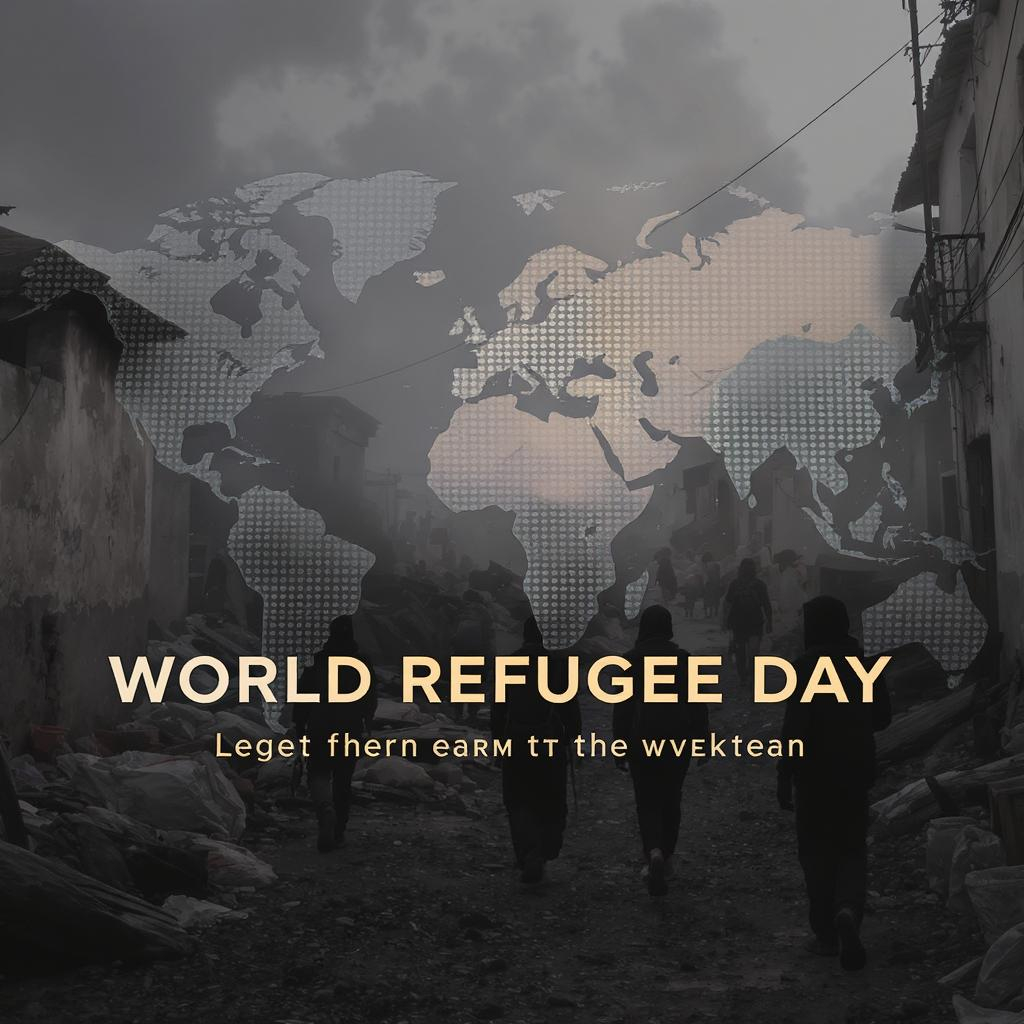
World Refugee Day, celebrated on June 20th, is not just a day on the calendar, but an event worldwide dedicated to the plight of millions of people displaced by conflicts, persecution, violence, or infringement of human rights. It is declared as a worldwide day to remember by the United Nations General Assembly in December 2000. It is also an urgent reminder of our global oneness and a positive appeal to empathy and action, appealing to the national governments and individuals to understand and support those who have lost their homes.
When did it begin?
World Refugee Day can be traced back to the dramatic rise in forced displacement around the world in the second half of the 20th century. Although a number of countries and regions had celebrated their own refugee celebration in the form of a so-called refugee day, the adoption of Refugee Day by the UN was meant to promote uniformity in all that had been done before, and in the end, a day of solidarity will be observed throughout the world.
The date specifically chosen, June 20th, was because it coincides with Africa Refugee Day, as the continent has a long history of accommodating huge refugee numbers and being at the forefront of forced displacement issues.2 The UNHCR (United Nations High Commissioner for Refugees), the UN Refugee Agency, is a lead organiser of international events and campaigns, which can use this day to create awareness of the refugee plight and argue for their rights.3
According to UNHCR, over 120 million people worldwide are currently forcibly displaced, a number that continues to grow year on year due to ongoing conflicts, climate emergencies, and escalating violence. These individuals are not merely numbers; they are mothers, fathers, children, artists, doctors, and teachers, whose lives have been uprooted, often with little more than the clothes on their backs.
A Global Call to Protect, Empower, and Welcome the Displaced
Each year, World Refugee Day focuses on a specific theme, designed to draw attention to pressing issues faced by displaced populations. These themes spotlight various aspects of refugee life – the difficulty of integration and the necessity of education, the need for sustainable solutions and the pivotal role of host communities.
The calendar of events is usually comprised of awareness-raising campaigns, education programs, cultural events, hotels to express refugee talents, and advocacy initiatives to urge political will and heighten humanitarian funding. It is a date during which governments, civil society organisations, communities and individuals reassert their pledge to the Refugee Convention of 1951 and the cardinal principle that no person shall be returned to a country where they are at risk of serious harm to life or liberty.
World Refugee Day is more than an event; it is more like an appeal. It encourages us to look beyond borders and headlines, to recognise the shared human values that bind us, and to actively contribute to creating a more inclusive and just world for those who have lost everything but hope. It’s a reminder that everyone, regardless of their circumstances, deserves a safe place to call home and the opportunity to rebuild their lives


