

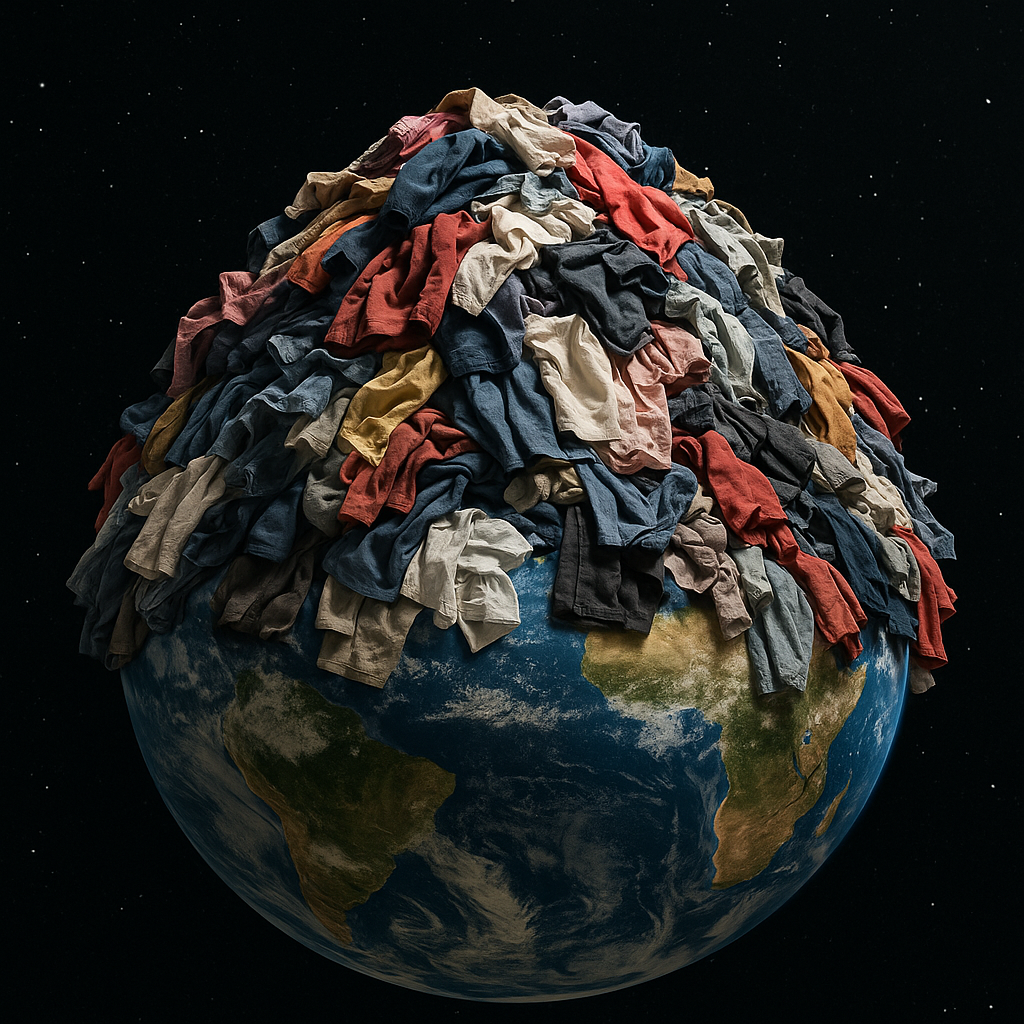
Half of the fashion industry is currently surviving on fast fashion. But behind the appeal of affordability and variety, lies a troubling truth: fast fashion is one of the most damaging industries for both the environment and human rights. The cost of these cheap clothes is far greater than most consumers realise.



image credits: unsplash
What Exactly Is Fast Fashion?
Fast fashion is the mass production of inexpensive clothing that incorporates high-fashion trends and moves quickly from design to retail. The entire concept thrives on speed i.e fast design, fast manufacturing, and fast turnover. It encourages consumers to constantly buy more and wear items less.
The term initially was used by The New York Times in the early 1990s to describe Zara’s rapid production cycle. “Fast fashion” now defines brands like Shein, H&M, Forever 21, Fabindia, Urbanic, UNIQLO, Westside and others. These companies push out thousands of new designs each year or sometimes in just days or weeks to meet high consumer demand.

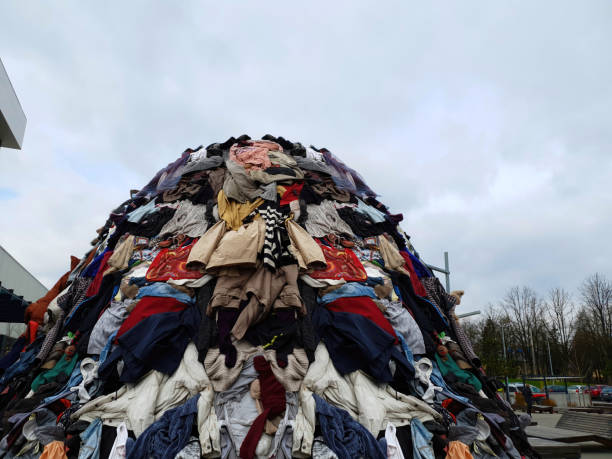

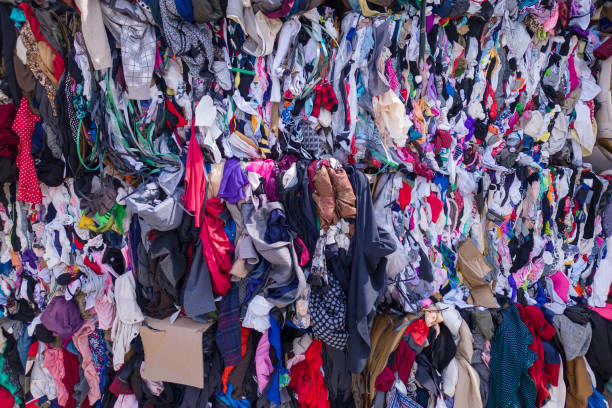
image credits: unsplash
The Massive Impact on the Environment
The environmental impact of fast fashion is increasing day by day from production to retail. The UN Environment Programme ranks the industry as the second-largest consumer of water globally and responsible for 10% of global carbon emissions, more than all international flights and shipping combined.
1. Water Waste :
Producing one cotton shirt takes about 700 gallons of water, and a pair of jeans requires nearly 2,000 gallons. Textile dyeing is the second-largest water polluter worldwide. Wastewater from dyeing processes is often dumped directly into rivers and streams, poisoning ecosystems and nearby communities.
2. Plastic and Microfibres:
Fast fashion leans heavily on synthetic fabrics like polyester and nylon materials that derived from petroleum. These fabrics release microplastics when washed, which end up in oceans. According to the IUCN, 35% of microplastics in the ocean come from laundering synthetic clothing.
3. Energy and Emissions:
The entire production cycle is energy-intensive. Turning oil into textiles emits toxic chemicals and along with other energy sources used to produce the materials. Even cotton which is a natural fibre requires pesticides and fertiliser that harm both the environment and the health of farmers.

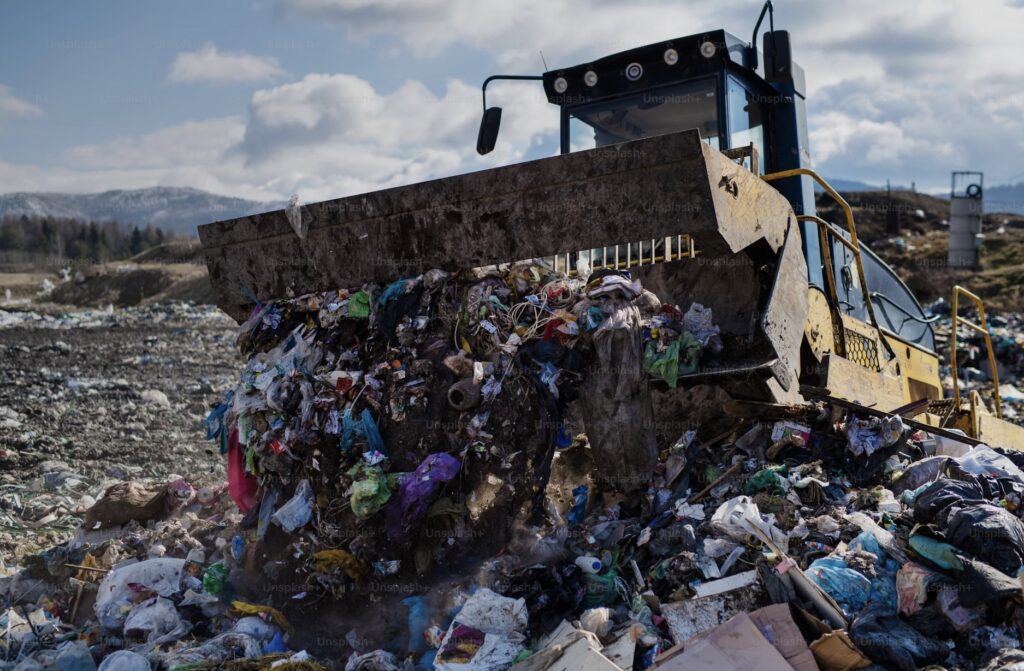

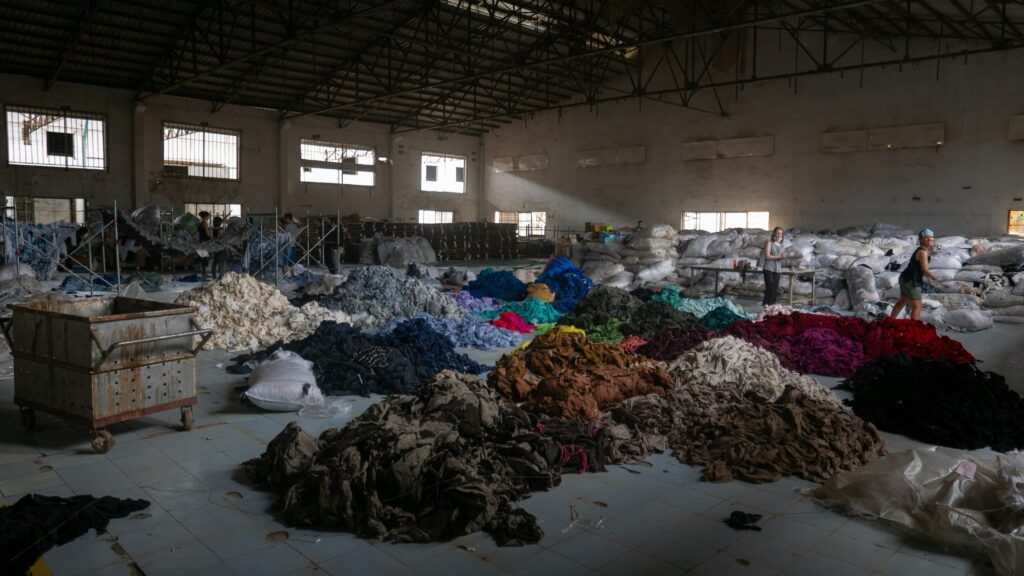
image credits: unsplash
Waste Produced by the Industry
Globally, 92 million tons of textile wastes are discarded each year and the numbers only increase with the production. In the U.S. alone, the average person throws away 82 pounds of clothing annually. Much of it ends up in landfills or is dumped in developing countries, overwhelming their waste systems.
Even wearable items are discarded due to the fast shifts in trends and styles. The world now consumes 80 billion new garments per year which is 400% more than just two decades ago.
Work Exploitation and Inequality
The environmental crisis is only half the destruction and consequence fast fashion causes. Fast fashion relies heavily on cheap labor in developing countries. According to the non-profit Remake, 80% of garment workers are young women aged 18 to 24.

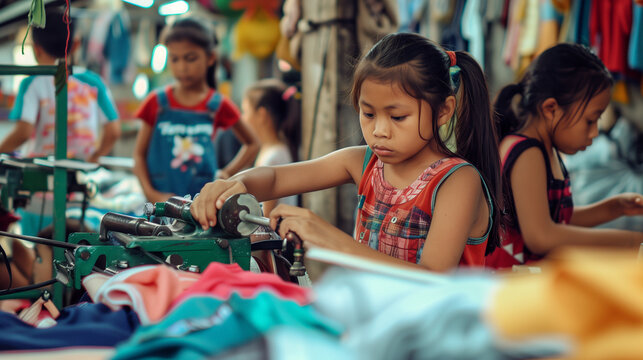

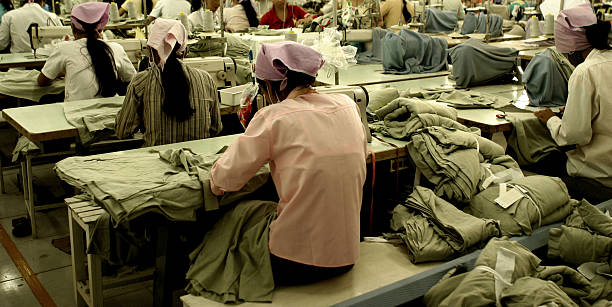
image credits: adobe stock
Wages are often below the minimum levels, and working conditions are frequently unsafe. In 2013, the Rana Plaza collapse in Bangladesh killed 1,134 garment workers, a tragic symbol of how profit often outweighs safety.
Child labor, forced labor, and violation of workers’ rights are well-documented in countries like Bangladesh, India, Vietnam, and China, where loose regulations make exploitation easier. Shein and Temu are two famous fast fashion brands that are said to have the highest number of child labour in the current times.
Fast Fashion and its ‘Fast’ Pace
Today, companies like Shein can design and list new garments for sale in just 10 days and sometimes they don’t even wait a week. Zara, Forever 21, and H&M follow similar breakneck production cycles, often at the cost of ethical sourcing, sustainability and quality. With growing pressure to keep prices low and new styles coming, human and environmental costs continue to rise



image credits: unsplash
Can Slow Fashion Save the Future?
Slow fashion is known to offer more thoughtful, sustainable alternative from disrupting the planet further. It emphasises quality over quantity, ethical labor, and minimal environmental impact. Some other alternates include:
- Buying secondhand through platforms like Rewago and My Thrift Kart or local thrift stores
- Supporting ethical brands using organic and biodegradable materials
- Recycling and up-cycling of old clothes or donations of old clothes to those in need
- Reducing over consumption and choosing clothes that won’t need a change as frequent
In recent years, some major brands are beginning to adapt and approach sustainability and reduce waste. Ralph Lauren has committed to 100% sustainably-sourced key materials by 2025. Adidas is exploring personalised gear to reduce returns and wastes.
Governments also have a role to play. India has bought significant reduction in waste through the ‘Make in India’ movement. France has pushed for sustainability with a pact signed by over 150 fashion brands. The UN has launched the Alliance for Sustainable Fashion to combat the industry’s damage.
As the famous quote “Less is always more” suggests, consumers will always hold power through their choices of spending. Engaging in buying less, supporting sustainable businesses, and asking questions about where and how clothes are made can push the industry in a better direction and towards the betterment of the environment. Fast fashion isn’t just about clothes, it’s about ethics, the environment, and the future of our planet health that can no longer be ignored.


Never knew this was the price planet is paying for fast fashion…very detailed writeup, with data, that makes it direct no speculations…well written and analysed alongwith Solution approach is fantastic