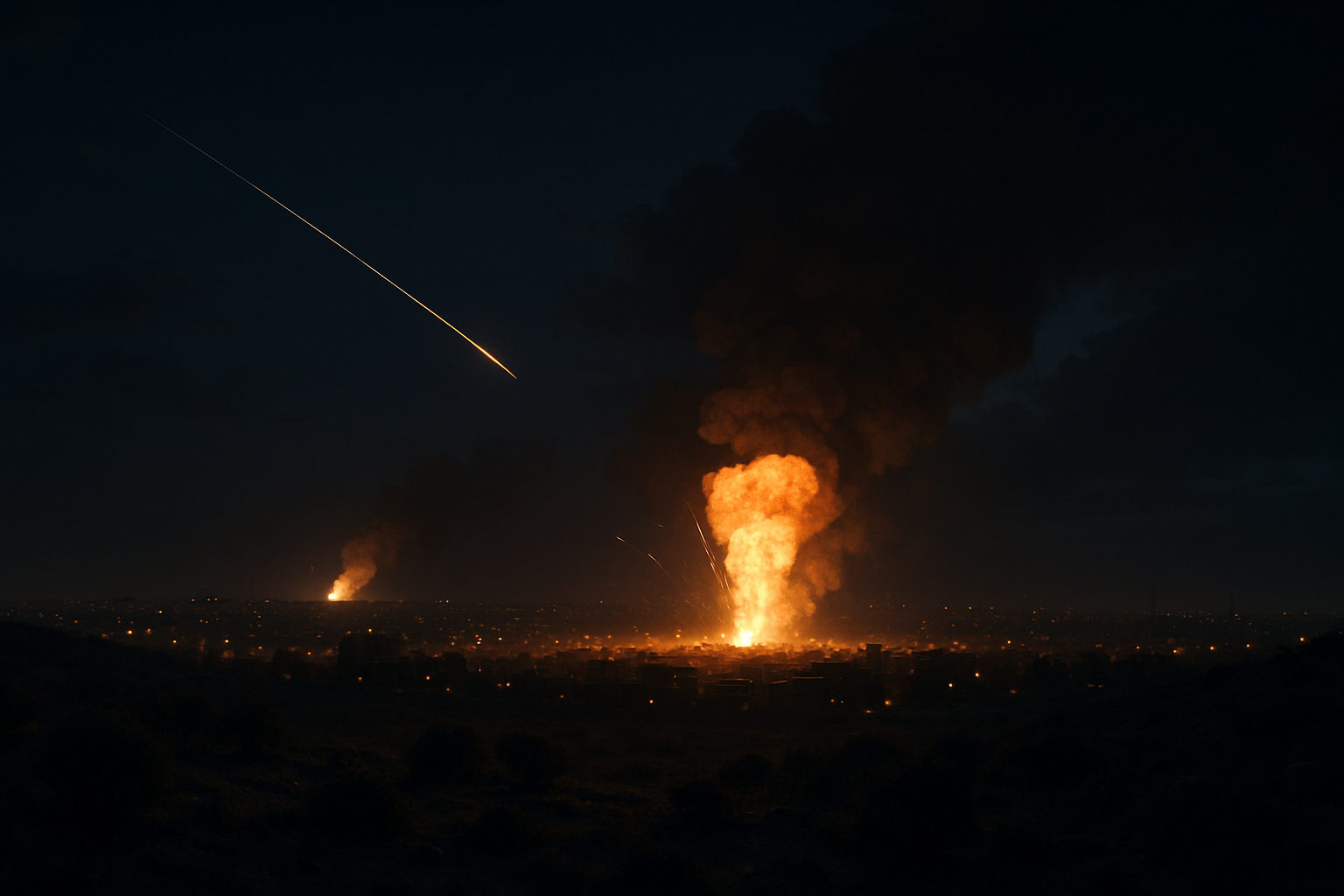
The attacks between Cambodia and Thailand first erupted on Thursday, July 24, 2025, along a disputed stretch of land dividing Thailand and Cambodia, near the temples of Ta Muen Thom and Preah Vihear. The two countries have long been in dispute over their 800-kilometre border.
Initially exchanges of small arms fire between the two sides quickly turned into rockets and heavy artillery fire that involved the BM-21 system used by Cambodia. Thailand responded with artillery and airstrikes. This round of clashes is being described as the deadliest armed conflict between the two countries in over a decade. Both sides claim that the other side initiated the attack first.
Local health officials have reported 14 civilians and one soldier dead in Thailand, while the Cambodian government confirmed one civilian death with several injured. Among the dead and injured reported by Thailand are many soldiers and civilians, with casualty estimates at about 46.
Over 130,000 Thai residents from bordering regions, including Ubon Ratchathani and Surin provinces, were moved to safety. On the Cambodian side, approximately 1,500 families were evacuated from conflict zones in Oddar Meanchey province.
Military Operations and Weapons Used
The Thai army confirmed Cambodia’s bombardment of civilian and military areas using Russian-made BM 21 rockets and heavy artillery. Forces of Thailand returned fire and mobilized F-16 fighter jets that conducted precision strikes against Cambodian military targets, a rare combat deployment in the region.
Phumtham Wechayachai, Prime Minister of Thailand, warned Cambodia that “the situation could escalate into a war,” explaining the grave nature of the confrontation involving heavy weapons.
History and Underlying Causes
Treaty tensions between Thailand and Cambodia, so to speak, are traced to a colonial map drawn by France in 1907, which remains for border warfare, especially in areas around temples like Preah Vihear. In the year 1962, the International Court of Justice awarded the temple to Cambodia, but the dispute of the surrounding area has remained ever since.
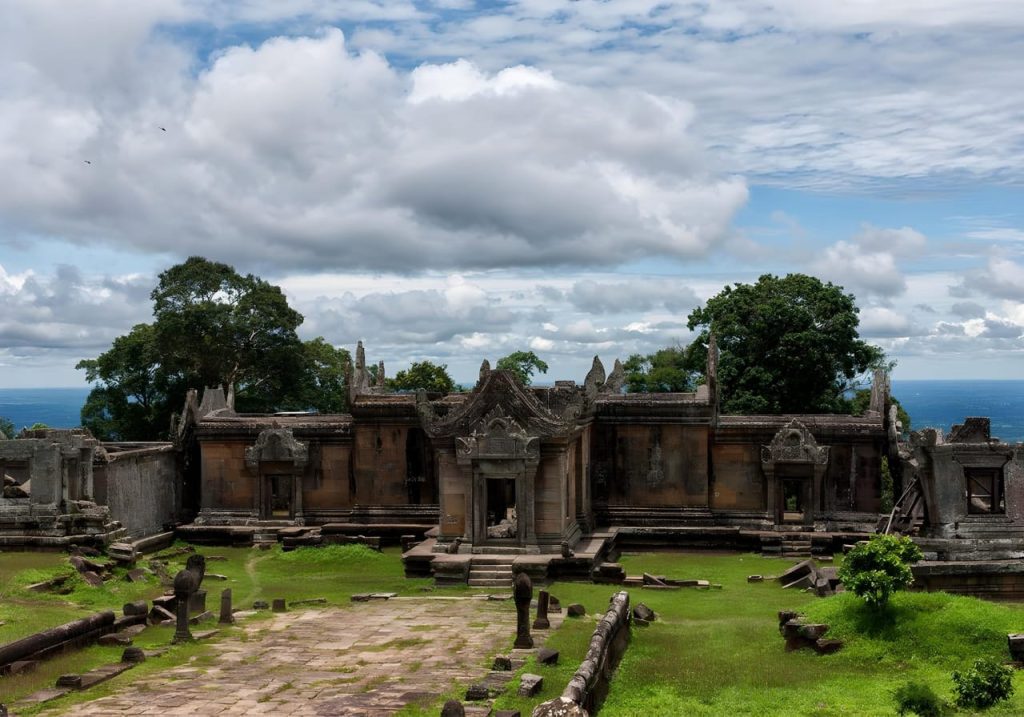
Thailand loudly refused suggestions for international mediation from the United States, China, and Malaysia (as ASEAN chair) and instead insisted that the dispute be resolved between the two countries. Thailand stated that Cambodia must cease its attacks first, although it agreed to ASEAN facilitating talks between the two.
The United States and China, together with the regional leaders, including the Prime Minister of Malaysia, Anwar Ibrahim, have called for de-escalation and a quick settlement.
Malaysia, as an ASEAN chair, has stepped forward to mediate and lend ASEAN support, provided Bangkok and Phnom Penh can agree to restart talking. Thailand’s foreign ministry has indicated it is open to ASEAN’s assistance in facilitating the return to constructive bilateral dialogue.
Both sides have reinforced military forces along the border, and as long-standing territorial disagreements remain unsettled, a wider conflict cannot be ruled out.