


World leaders gather in New York ahead of the 80th session of the United Nations General Assembly. This year’s theme is “Better together: 80 years and more for peace, development and human rights.” The United Nations is facing financial constraints as the USA cuts funding under stress, and operations are overstretched. Questions have been raised about whether the UN remains “fit for purpose” in addressing global crises in the 21st century.
The United Nations was formed in 1945 and today has 193 members. The leaders of two non-member observer states, known as the Holy See and the state of Palestine, and the European Union, are observer members. It is tradition for Brazil to always be the first member state to speak. This is because in the early years of the body, Brazil stepped up to speak first.
The US, as host to the UN headquarters, is the second country to address the General Assembly, and the list continues based on hierarchy and on a first-come, first-served basis. Despite a voluntary 15-minute time limit, one of the longest speeches made was in 1960 by the Cuban leader Fidel Castro, who spoke for about four & a half hours.
As the United Nations General Assembly marks its 80th session this year. This year’s theme is “Better together: 80 years and more for peace, development and human rights.” Other topics likely to be addressed are:
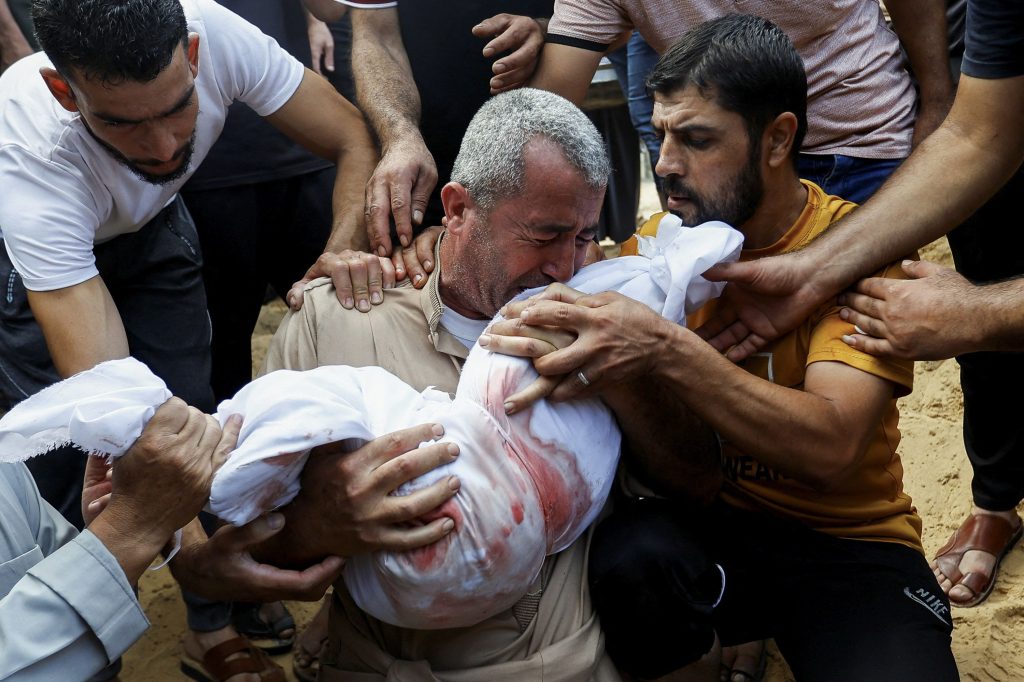
GAZA
A global hunger monitor has issued a warning that famine has trapped the Palestinian state, worsening the humanitarian crisis. While Israeli Prime Minister Benjamin Netanyahu is scheduled to speak at the assembly next week, Palestinian President Mahmoud Abbas will not be present in person. The US, as an Israeli ally, has said it will not give him a visa.

UKRAINE
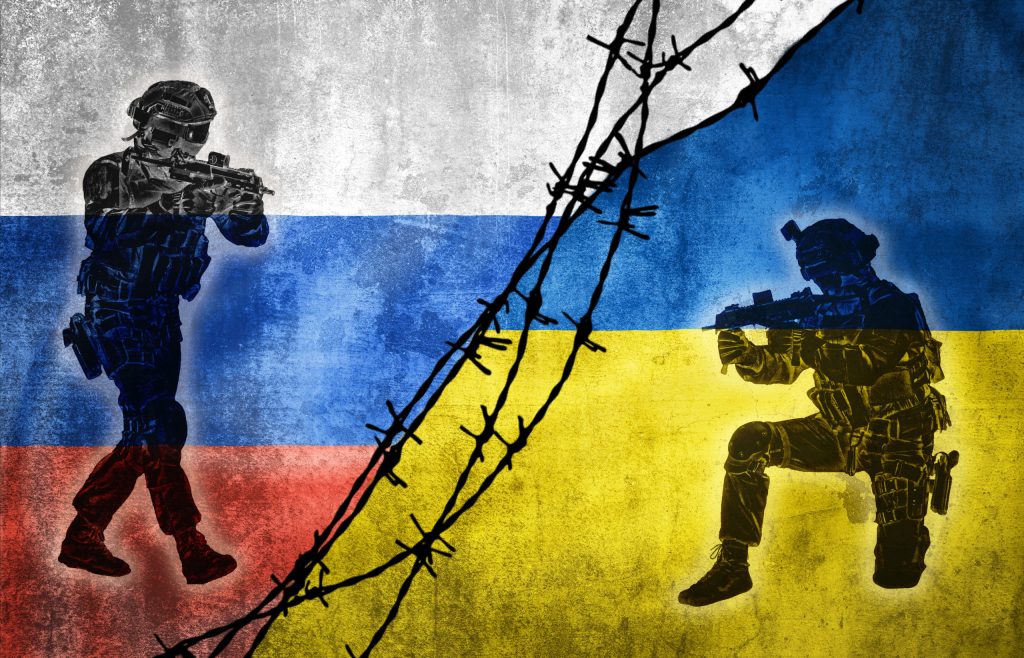
Ukrainian President Volodymyr Zelenskiy will be seeking to shore up global support for Kyiv as US President Donald Trump tries to broker an end to the war. Russia’s Foreign Minister Sergei Lavrov will also attend the General Assembly, whose presence suggests the potential for high-level, albeit indirect, interactions concerning the conflict.

SYRIA
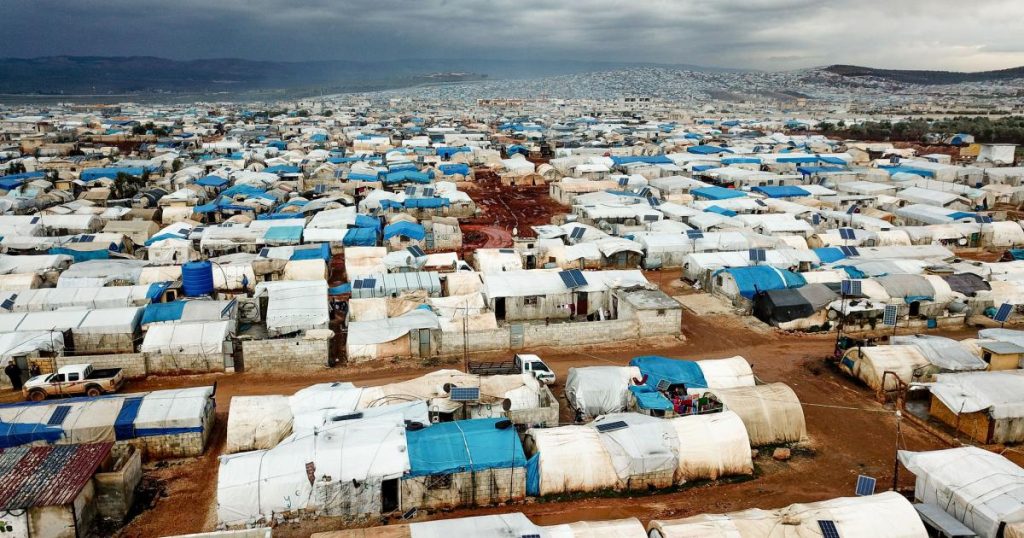
A notable debut will be Syrian President Ahmed al-Sharaa. His Hay’at Tahrir al-Sham (HTS) group led the rebellion that toppled President Bashar al-Assad in a lightning offensive in December, ending 13 years of Civil War. HTS was a former branch of al-Qaeda until it broke ties in 2016. The Group and Sharaa remain under the UN sanctions, but he has a travel exemption to visit New York.

SUDAN
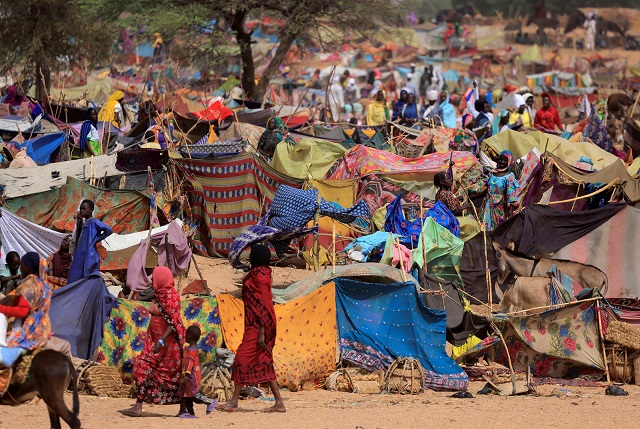
The war in Sudan between the paramilitary Rapid Support Forces and the Sudanese army has created what the United Nations calls the world’s worst humanitarian crisis. A three-month humanitarian truce, followed by a permanent ceasefire, has been urged by the United States, the United Arab Emirates, Saudi Arabia, and Egypt.

NEW SECRETARY-GENERAL
Next year, the United Nations will choose a new secretary-general after Antonio Guterres steps down, and there may be some discussions around on the sidelines this year. The 15-member UNSC has to agree on a candidate to recommend to the 193-member General Assembly for elections, which means Britain, China, France, Russia and the US must agree.


