

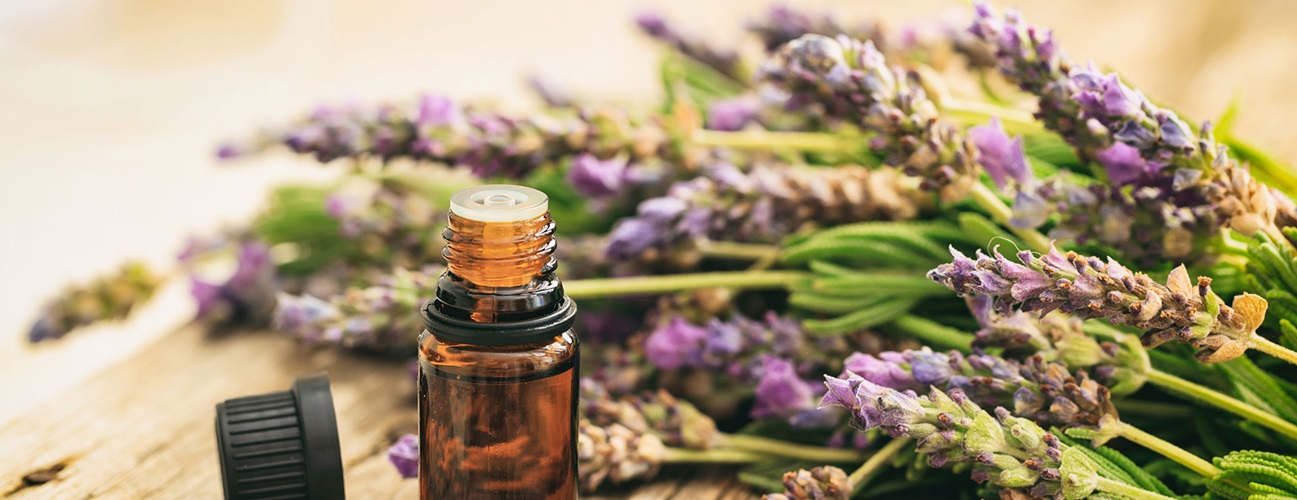
I recently stumbled upon a Vogue video featuring Emma Watson, where she casually mentioned spritzing lavender essential oil and carrying it in her purse at all times. Similarly, in Inside Ariana Grande’s Loewe Bag, Ariana shared that she always travels with lavender oil and uses it during meditation because the scent “calms you down” and acts as a “sense memory.”


Miranda Kerr swears by rose oil in her skincare routine, and Gisele Bündchen uses essential oils as part of her self-care. Gwyneth Paltrow, of course, turned them into a business through Goop.

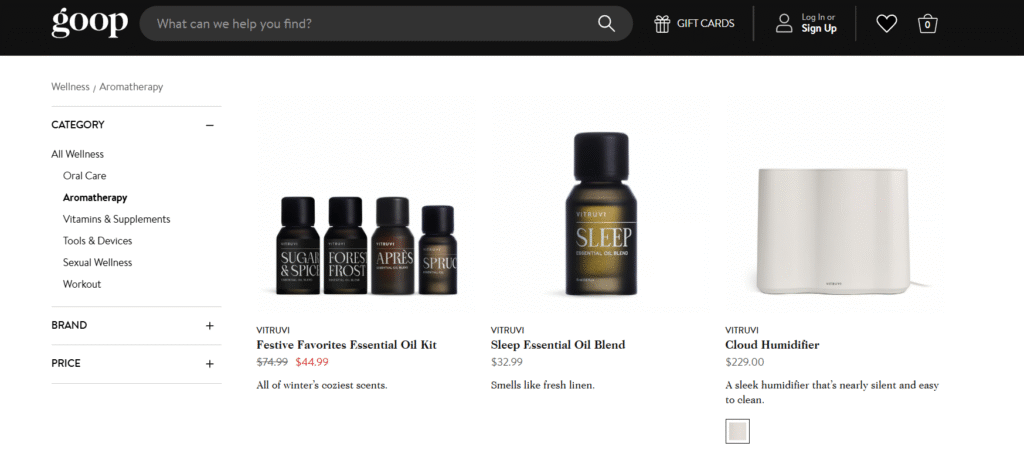
Everywhere you scroll, celebrities are holding little glass bottles promising sleep, peace, glow, and wellness.
But what’s really in these oils? And are they worth the hype, or just heavily diluted branding magic?
What Are Essential Oils, Why Are They So Expensive?
Essential oils are concentrated plant extracts derived from steam distillation or cold pressing.They are not the same as regular oils like coconut or almond.
Essential oils are potent, volatile, and require a massive amount of plant matter to produce just a few millilitres.
For example:
- It takes 100–120 kg of lavender flowers to make 1 kg of lavender oil.
- 10 ml of pure rose oil can cost ₹30,000 to ₹40,000.
- Sandalwood oil, native to India, ranges between ₹8,000–₹15,000 for 10 ml, depending on purity and origin.
What’s Actually in Your “Essential Oil Skincare”?
Most celebrity-backed products contain less than 1% actual essential oil, and often, that’s not even the pure stuff. You’re getting:
- Fragrance oils (synthetic or diluted alternatives)
- Carrier oils like jojoba or coconut mixed with traces of essential oils
- Preservatives and alcohols for stability
- Sometimes even water-based emulsions to keep it shelf-stable
This is why most skincare or wellness products containing essential oils are often “infused” rather than truly concentrated. You will find terms like “aromatherapeutic blend” or “infused with essential oils”, which basically means there’s a whiff of the oil, not enough to work miracles.
The Celebrity Wellness Flex
Here’s where the wellness marketing goes full influencer-core: celebs claim essential oils “calm their skin,” “balance hormones,” or “fight aging.”
Sure, some oils have mild anti-inflammatory or antibacterial properties, but the science behind topical use is very limited, especially in commercial skincare where the potency is diluted to avoid irritation or regulatory issues.
And let’s be real, the soothing feeling is often more about the scent and vibe than actual transformation. It’s skincare with a side of placebo.
What Are Celebrities Using?
International picks:
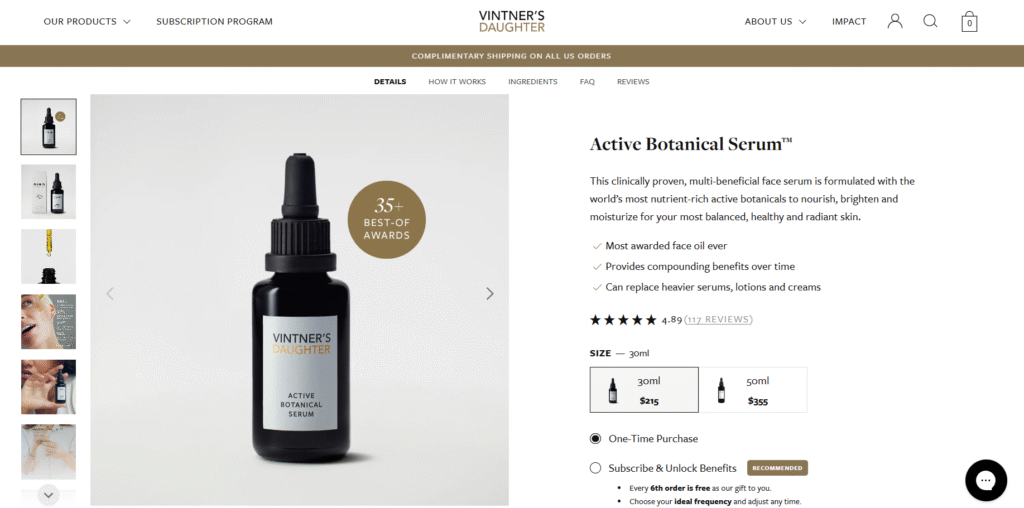
Vintner’s Daughter Active Botanical Serum – praised by Hailey Bieber and Tracee Ellis Ross. ₹18,420 for 30 ml.

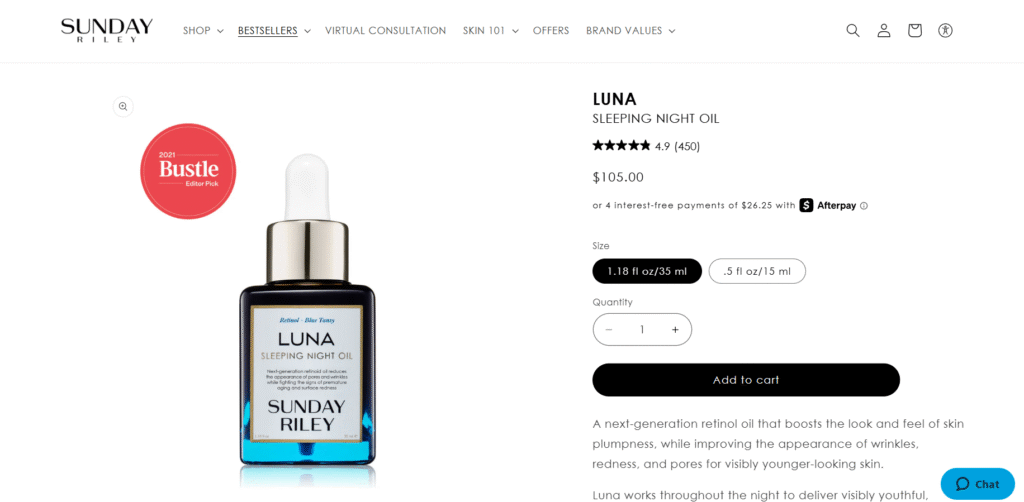
Sunday Riley Luna Sleeping Oil – used by Victoria Beckham. ₹8,995.

Indian favourites:
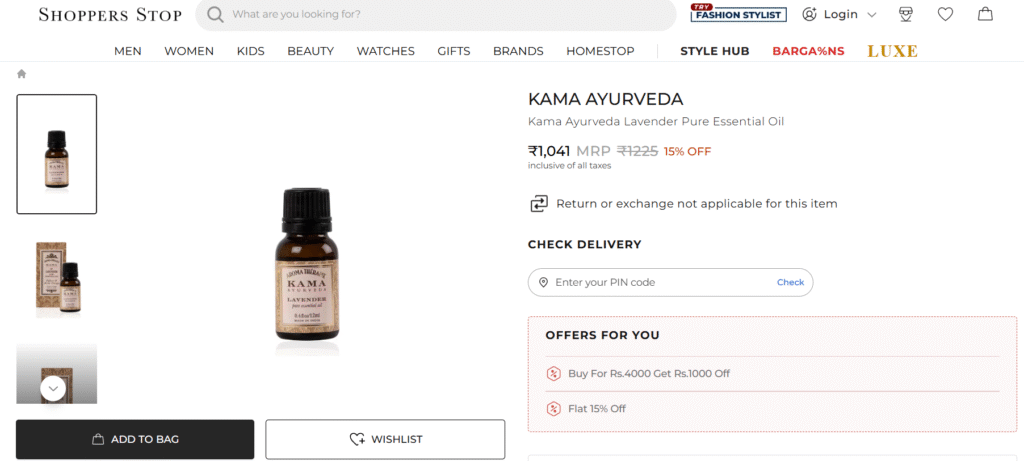
Kama Ayurveda Lavender Oil – ₹1,225 (12 ml), claims to be pure steam-distilled.

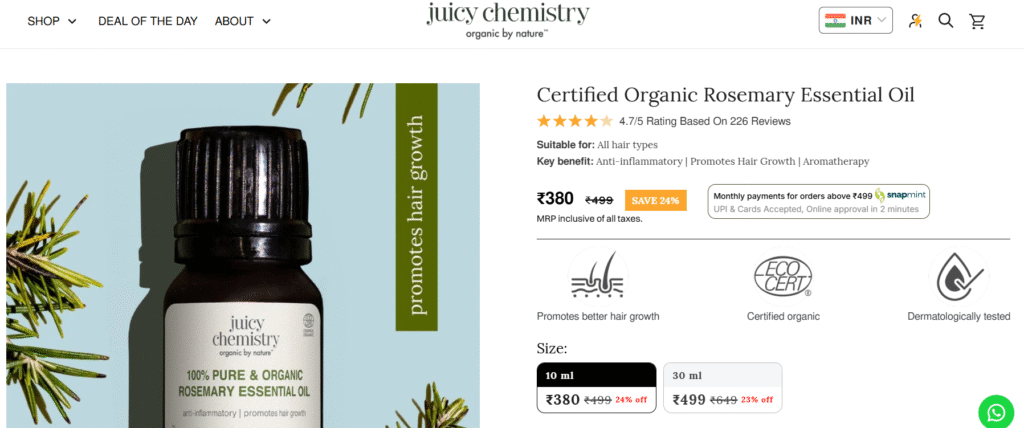
Juicy Chemistry Certified Organic Rosemary Essential Oil – ₹380, often used for anti-inflammation, hair growth, aromatherapy.

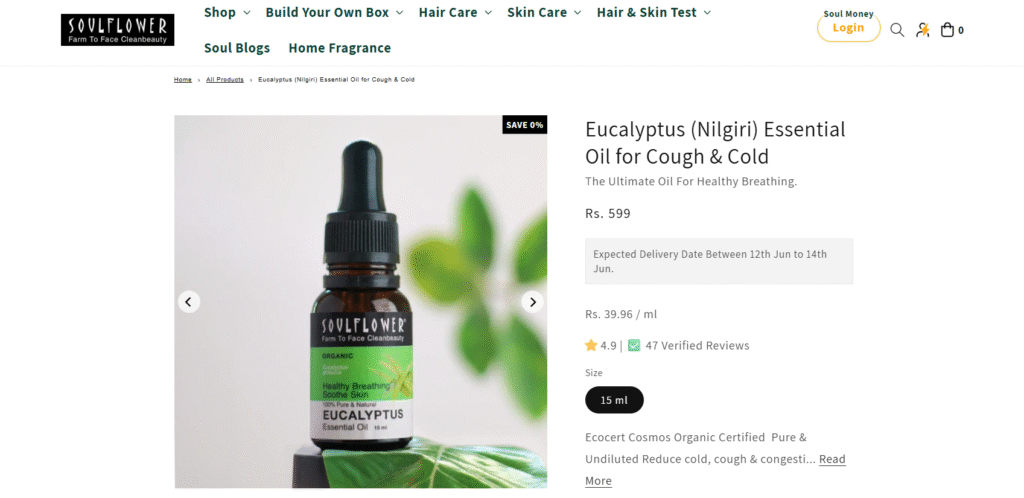
Soulflower Eucalyptus Essential Oil – ₹599 for 15 ml, marketed for colds and congestion.

But just because celebrities use them doesn’t mean they’re miracle workers, or even safe for everyone.
Popular Myths, Debunked
Myth 1: Lavender oil makes you fall asleep faster.
Truth: Studies from the National Institutes of Health (NIH) show it may improve sleep quality, but not dramatically. It helps you feel relaxed, not sedated.
Myth 2: Tea tree oil cures acne.
Truth: Tea tree oil has antimicrobial properties. But applying it directly can cause redness, dryness, or even burns. It is recommended diluting it in a carrier oil and patch-testing before use.
Myth 3: If it’s natural, it’s safe.
Truth: Even natural ingredients can cause reactions. Some essential oils may act as endocrine disruptors or allergens if overused or applied undiluted.
So, What Are You Really Paying For?
Many brands sell you a mood. When you buy a “100% natural” essential oil product for ₹599, you’re most likely getting a scented oil diluted for mass production, not the ₹10,000-grade pure extract that celebrities are using or endorsing.
Essential oils can smell amazing and create a calming ritual. But don’t confuse that with scientifically backed results. The celebrity glow isn’t bottled in lavender or rose. It’s often lighting, good skincare, and a great facialist.
So, if you love the vibe, go ahead, just know what you’re paying for and always read the label for Latin names of the ingredients.
Keep the vibes if you want, but don’t fall for the “natural = better” myth without doing your homework. Sometimes, essential oils are more hype and branding than healing and benefits.


